Where barefoot luxury meets the wild floodplains
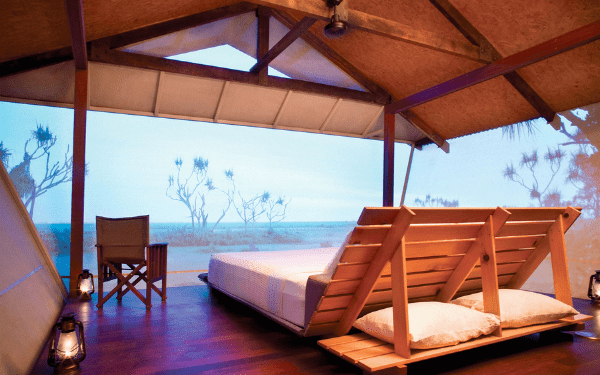
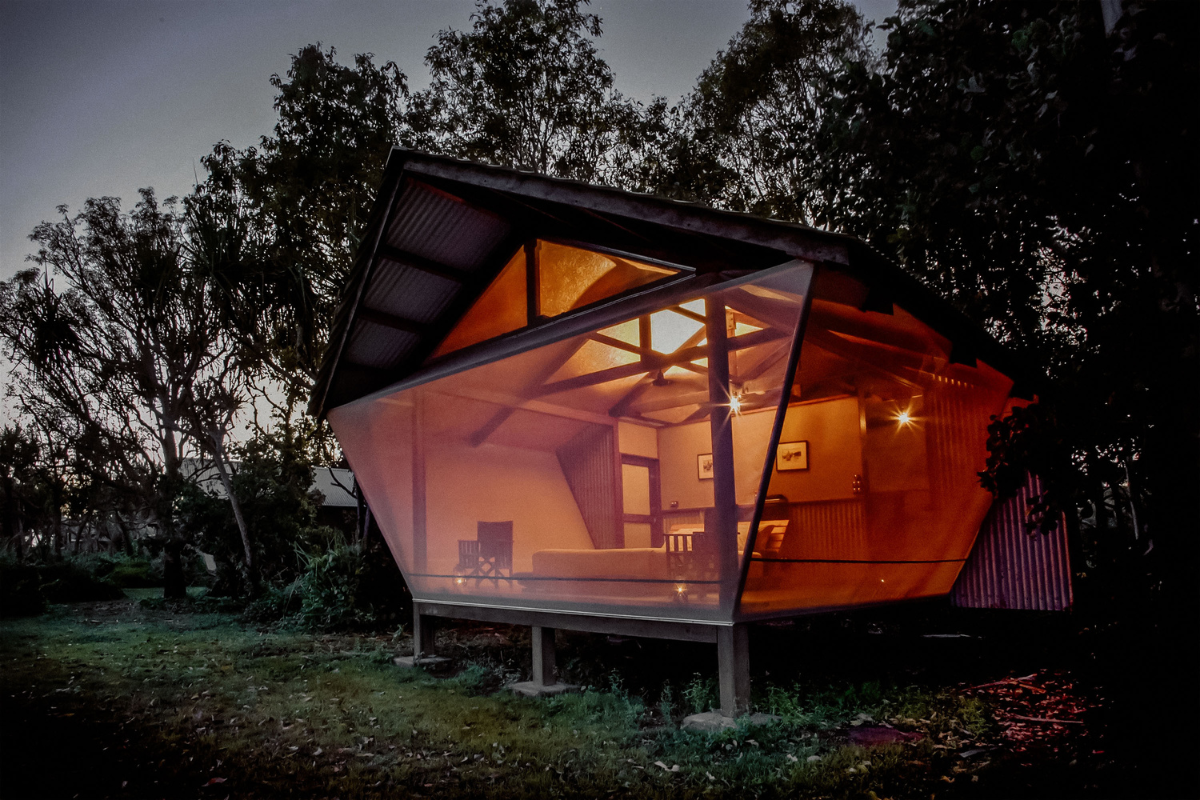
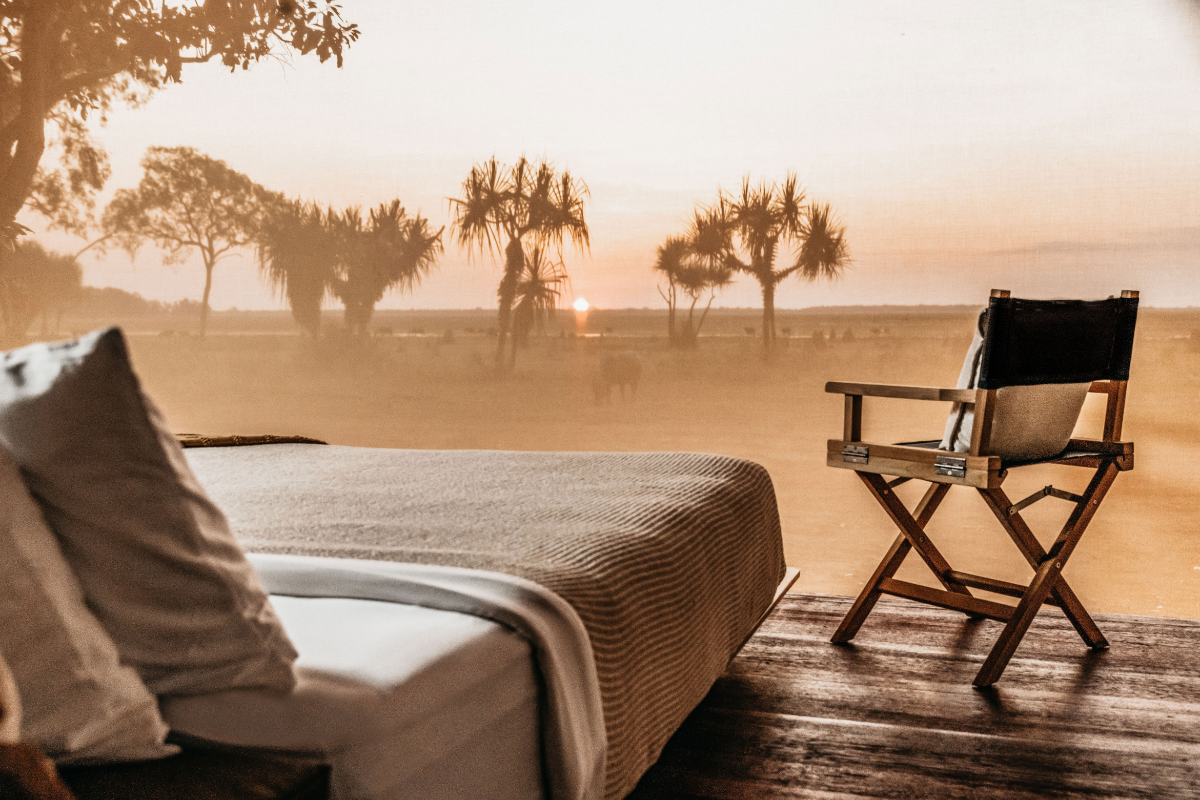
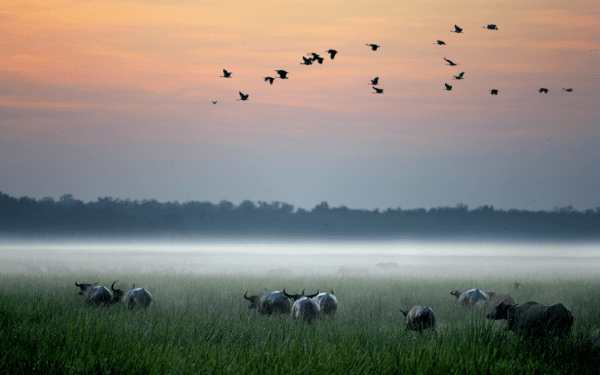
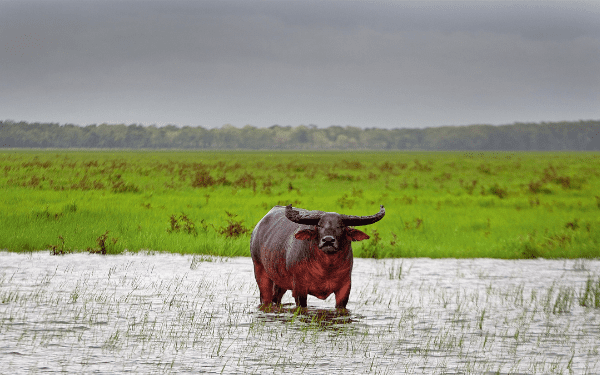
Bamurru Plains was built with one idea in mind: put guests as close to the wild as possible without asking them to rough it. The open-sided Safari Bungalows have canvas walls that roll up to the floodplains, so the sounds and movement of the bush, buffalo grazing, hundreds of birds lifting off at once, the odd wallaby hopping past the deck, become part of the stay rather than something viewed from a distance. There’s no fencing between the lodge and the country beyond, and that proximity is entirely deliberate. It’s a property built for guests who want genuine wilderness immersion alongside proper beds, good food and a cold drink waiting at the end of the day.
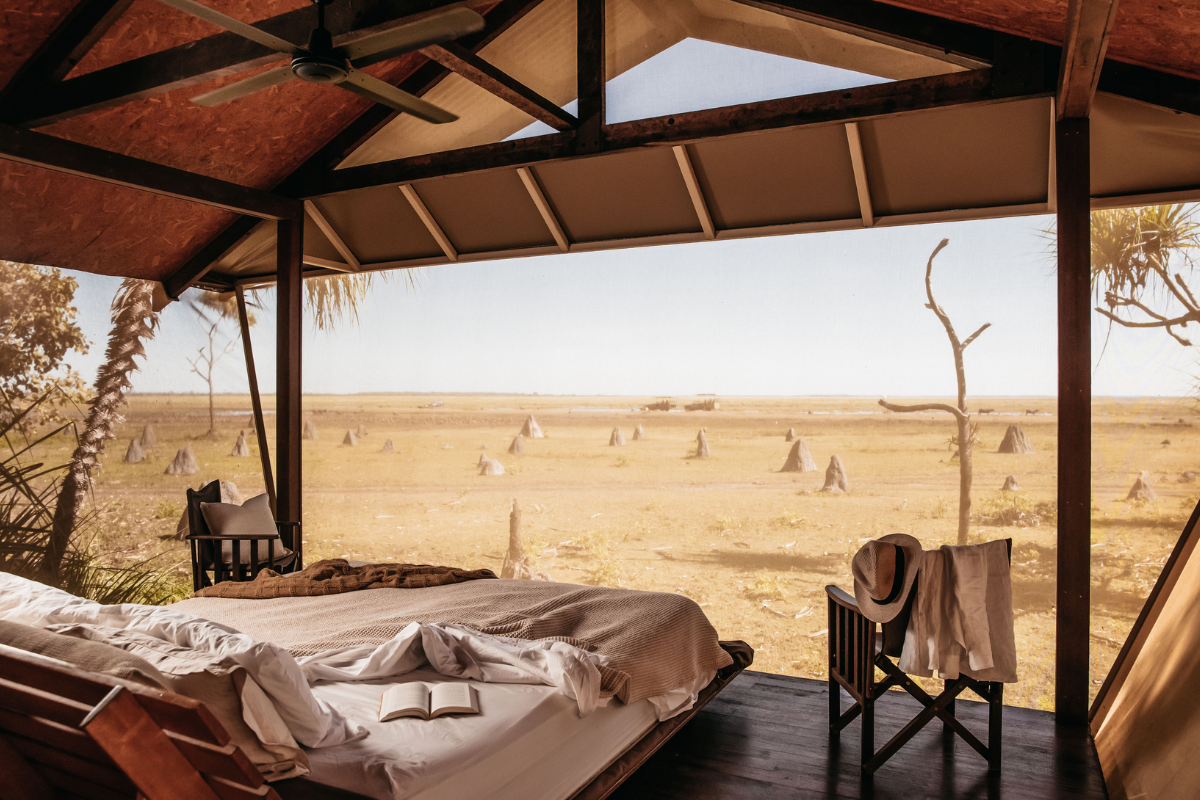
The Mary River Floodplains
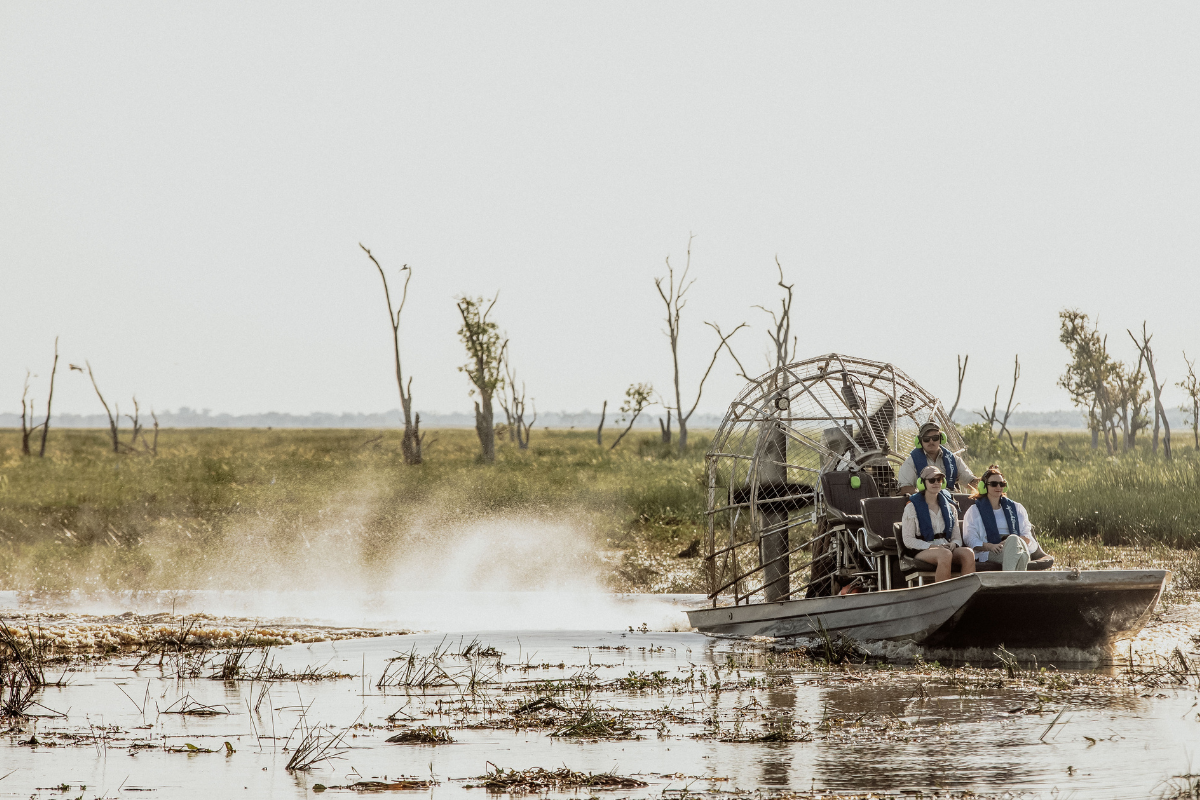
The country surrounding Bamurru Plains is defined by the Mary River floodplains, a vast wetland system that transforms dramatically between wet and dry seasons. During the wet, monsoon rains push water across tens of thousands of hectares of grassland; as the dry season sets in, the water recedes into lagoons and channels lined with paperbark trees, concentrating wildlife into smaller pockets that guests can explore by airboat, vehicle or on foot. This seasonal rhythm shapes almost everything about the region’s character.
Kakadu’s Sandstone Escarpment
A short light aircraft hop from the lodge, the sandstone escarpment country of Kakadu National Park rises out of the surrounding savannah, its cliffs and gorges holding some of the oldest continuously practised rock art traditions on earth. The escarpment marks a striking contrast to the flat floodplains around Bamurru itself, and gives guests a sense of the layered geology that defines the wider Top End landscape, from ancient stone country to low-lying wetland.
The Floodplain Dining Deck
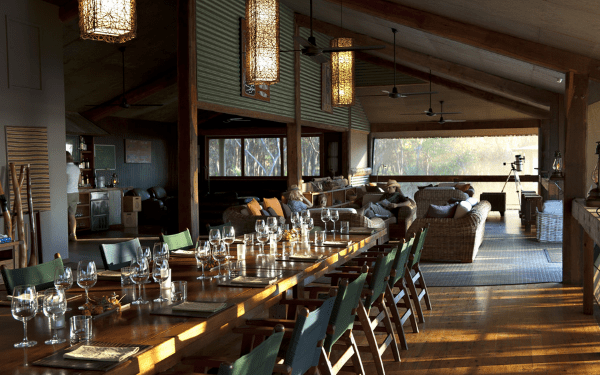
Meals at Bamurru Plains are served on a deck that looks straight out over the floodplains, so dinner regularly comes with a backdrop of buffalo silhouettes or a sky full of returning waterbirds. The kitchen builds its menus around native Australian produce and bush flavours, and the self-service bar stays open all day for guests wanting a wine or a gin and tonic in the heat of the afternoon. Kingfisher Suite guests can also arrange a private candlelit dinner, and a chef-prepared picnic hamper can be sent out to The Hide for a more secluded lunch.
Signature Experiences at Bamurru Plains
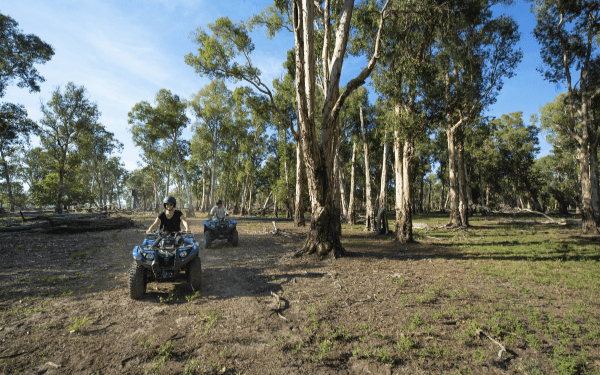
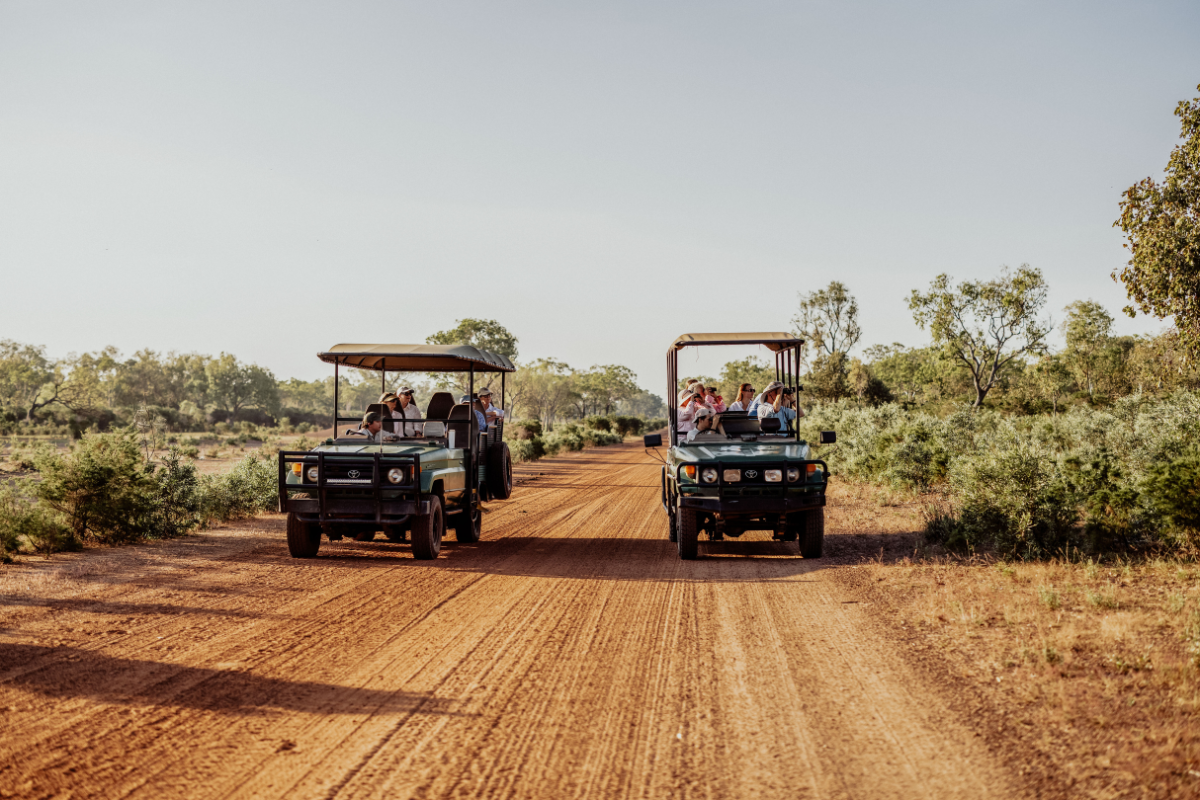
Every stay at Bamurru Plains is built around a small set of signature experiences, and guests can mix and match depending on how many nights they have and what they want most from the trip. Some clients want to fit in the airboat safari, a game drive and a Kakadu day trip across a longer stay, while others are happy building most of their time around one or two activities and plenty of time at the pool. We work with the lodge to shape a daily programme that suits each client’s pace and interests.
How AABH packages Bamurru Plains for your clients
Bamurru Plains works well as a stand-alone Top End escape or as one leg of a longer Northern Territory itinerary. Many of our trade partners pair a Bamurru stay with a Darwin city stopover, a Kakadu National Park extension, or a broader Arnhem Land cultural programme. Because the property is only reachable by private charter flight from Darwin, we coordinate those transfers directly as part of the booking, along with any pre or post-stay accommodation in Darwin your clients might need. Bamurru also suits small incentive groups well, given the limited room count allows for exclusive-use bookings. Our team can put together a full quote covering charter flights, accommodation, meals, and the on-property activity programme, priced on a net rate basis for the trade.
Beyond Bamurru Plains
Clients wanting to see more of the Top End during their stay can extend their itinerary with a handful of regional add-ons arranged alongside the core Bamurru programme.
When to Visit Bamurru Plains
Bamurru Plains operates on a seasonal schedule tied to the Top End’s wet and dry seasons, roughly running from May through to October each year. The early dry season, in May and June, holds the most water across the floodplains and tends to bring the best birdlife viewing. July and August offer the most comfortable daytime temperatures for game drives and walks, while September and October see drier conditions and wildlife concentrating more tightly around the remaining waterholes. The lodge closes during the wet season, when the floodplains are inaccessible, so we recommend booking well ahead for the peak May to August window.