
COMPLETE ITINERARY
Melbourne to Adelaide – Day by Day
Depart Melbourne via Geelong & Torquay
The drive begins with a 75km run south-west to Geelong, a port city that has reinvented itself in recent years. The waterfront is worth a stop – the Baywalk Bollard Trail features over a hundred painted characters tracing local history, and the café scene has come into its own. King of the Castle and Box Office are both good for brunch. Before leaving town, travellers can visit the Narana Aboriginal Cultural Centre for a hands-on introduction to local Indigenous culture. Travellers can meet resident emus and kangaroos, learn to throw a boomerang, and see ancient art techniques demonstrated. It’s a strong cultural experience early in the trip.
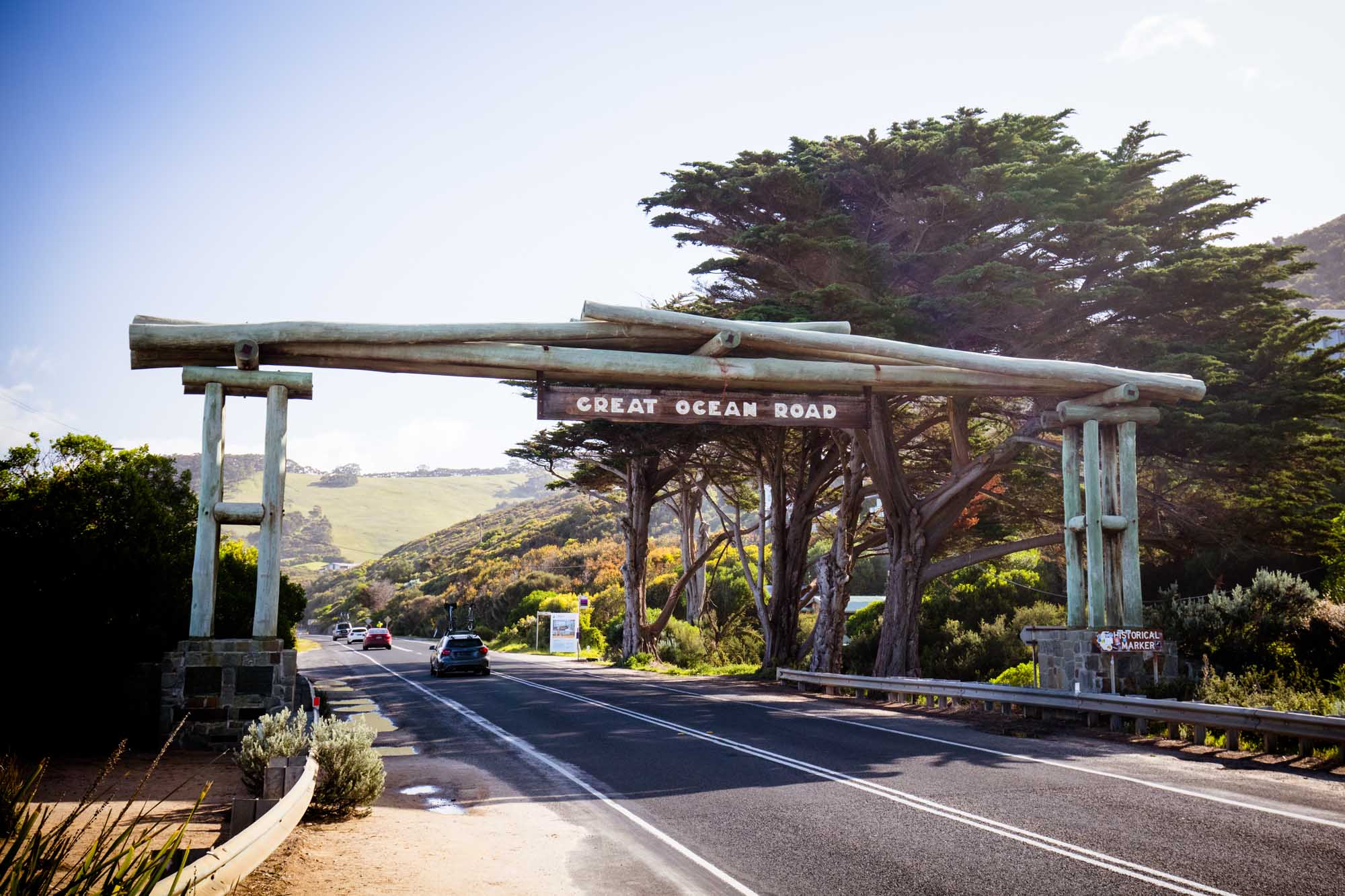
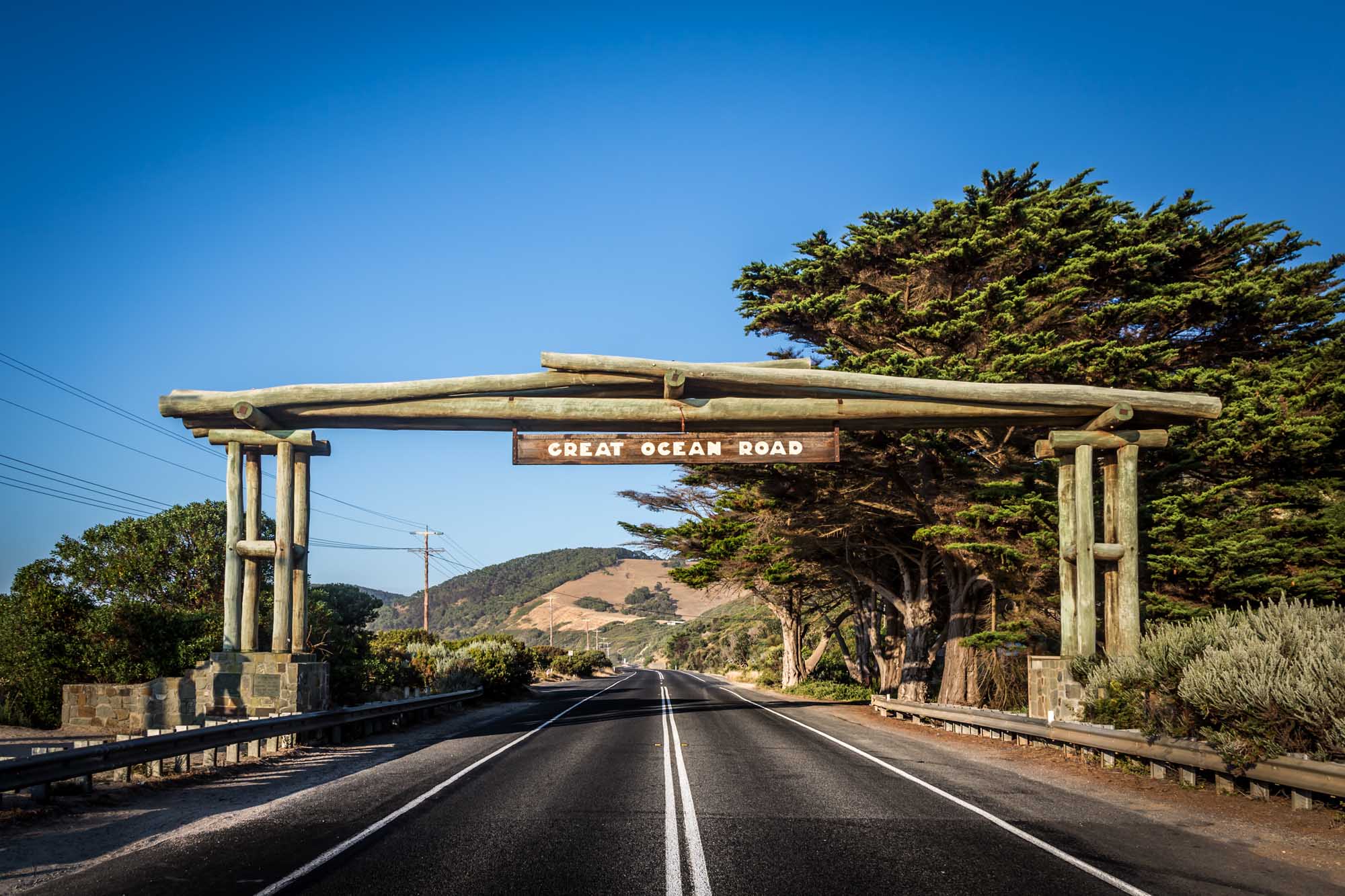
From Geelong, continue to Torquay – the official start of the Great Ocean Road and Australia’s self-proclaimed surf capital. This is where Rip Curl and Quiksilver were born, and where world-famous Bells Beach draws serious surfers. First-timers can book a lesson with Torquay Surf Academy. Grab lunch at the Torquay Larder before the scenic 50-minute drive to Lorne, passing through Fairhaven and Eastern View. (Note: all venue and restaurant recommendations throughout this itinerary are current at time of publication. AABH provides updated local recommendations at time of booking.)
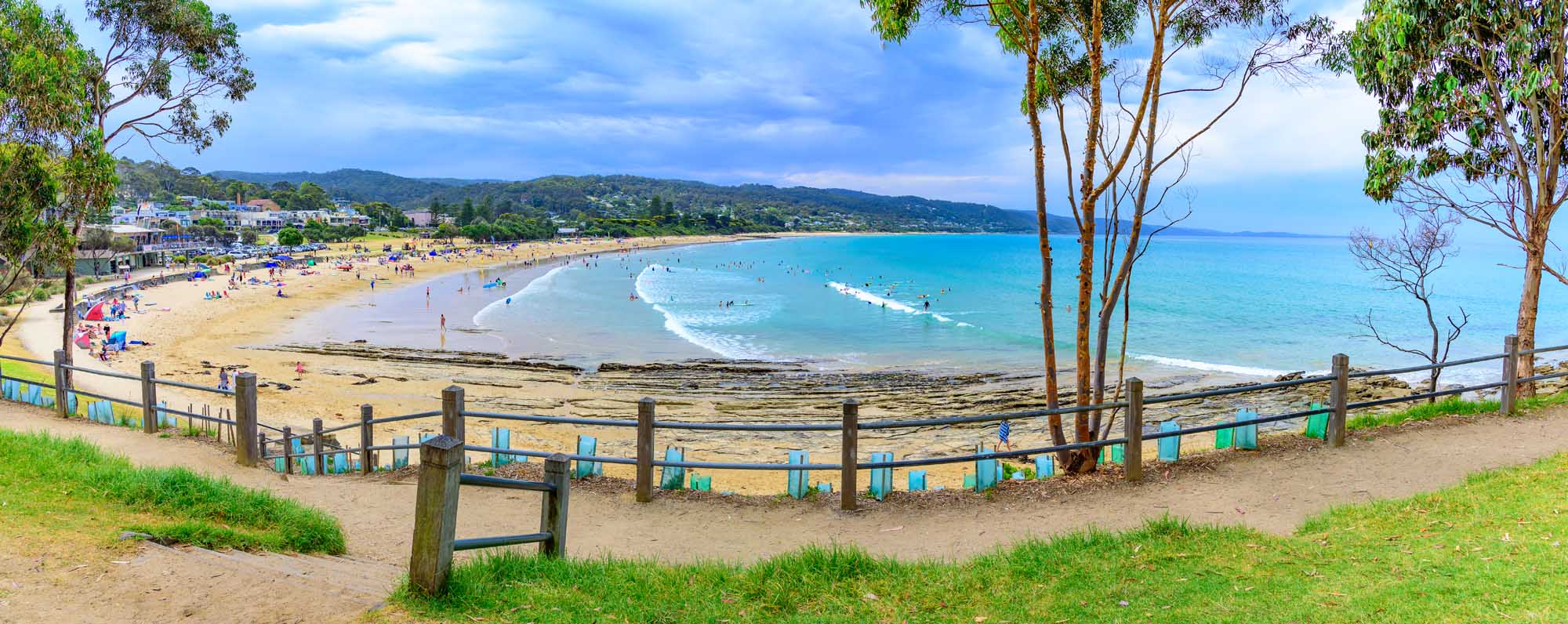
Lorne has been pulling in holidaymakers for over a century. White sand beach, galleries and boutiques on the main street, and the Otway Ranges right on the doorstep. For clients looking to push the boat out, Brae – the acclaimed fine dining restaurant – serves a set menu from local produce and has six luxury guest suites on site. Book well ahead.
Trade tip: We can arrange car hire or campervan pickup in Melbourne CBD or at the airport. For clients who prefer not to self-drive, this itinerary converts well to a chauffeured touring experience. Pre-tour accommodation in Melbourne is easily arranged through our trade-only FIT/HELiO booking platform at wholesale rates.
Lorne to Johanna Beach
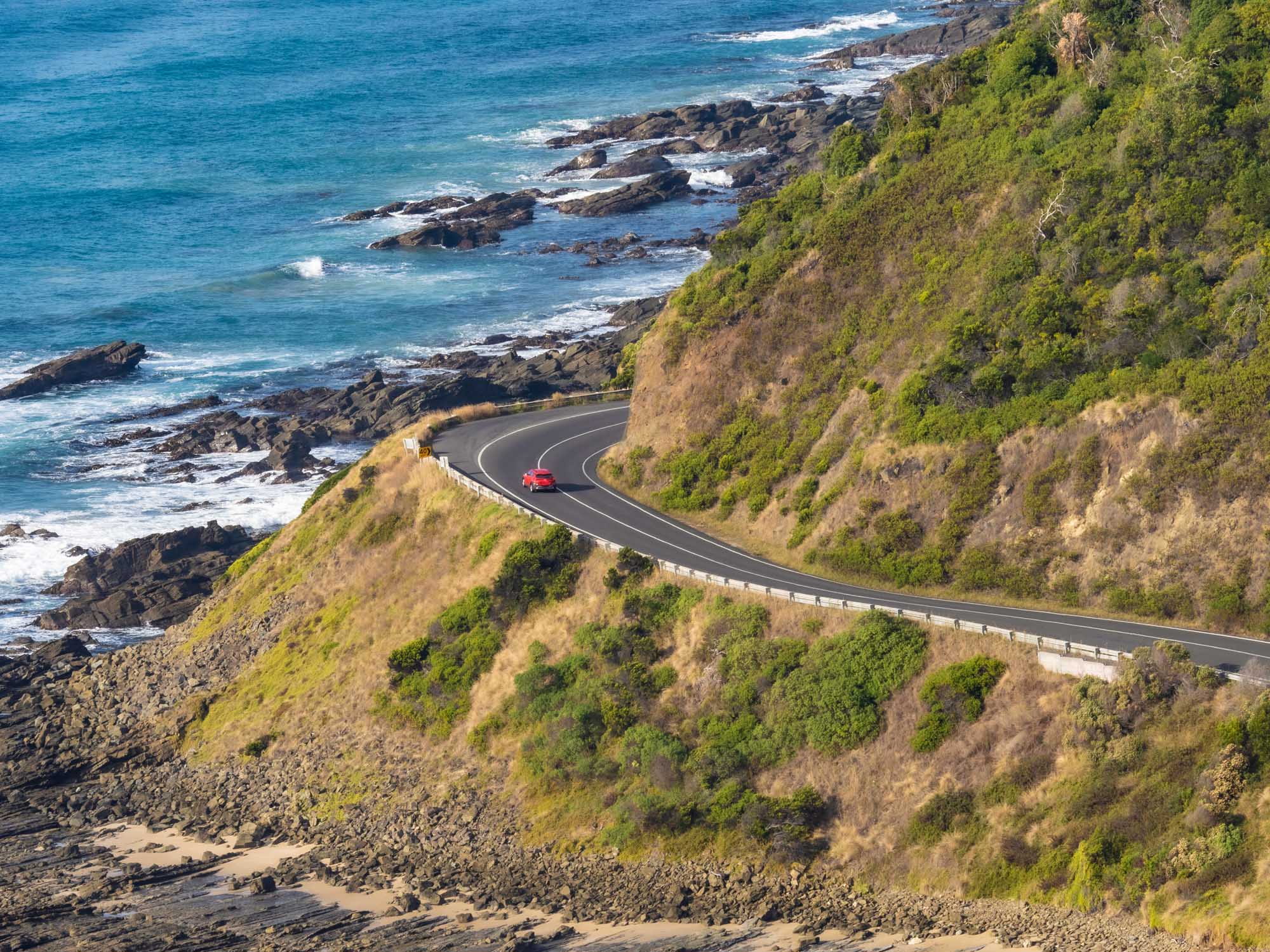
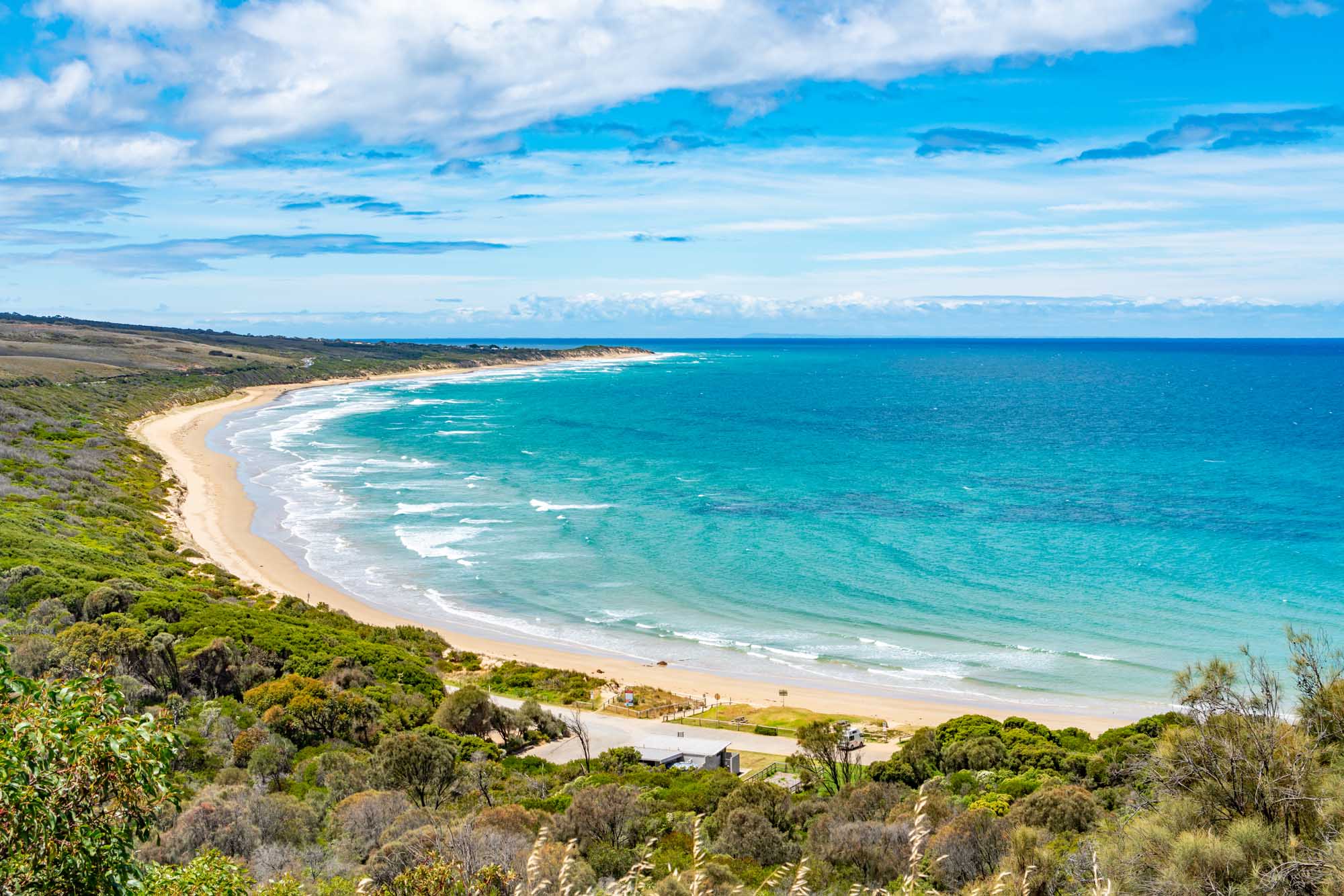
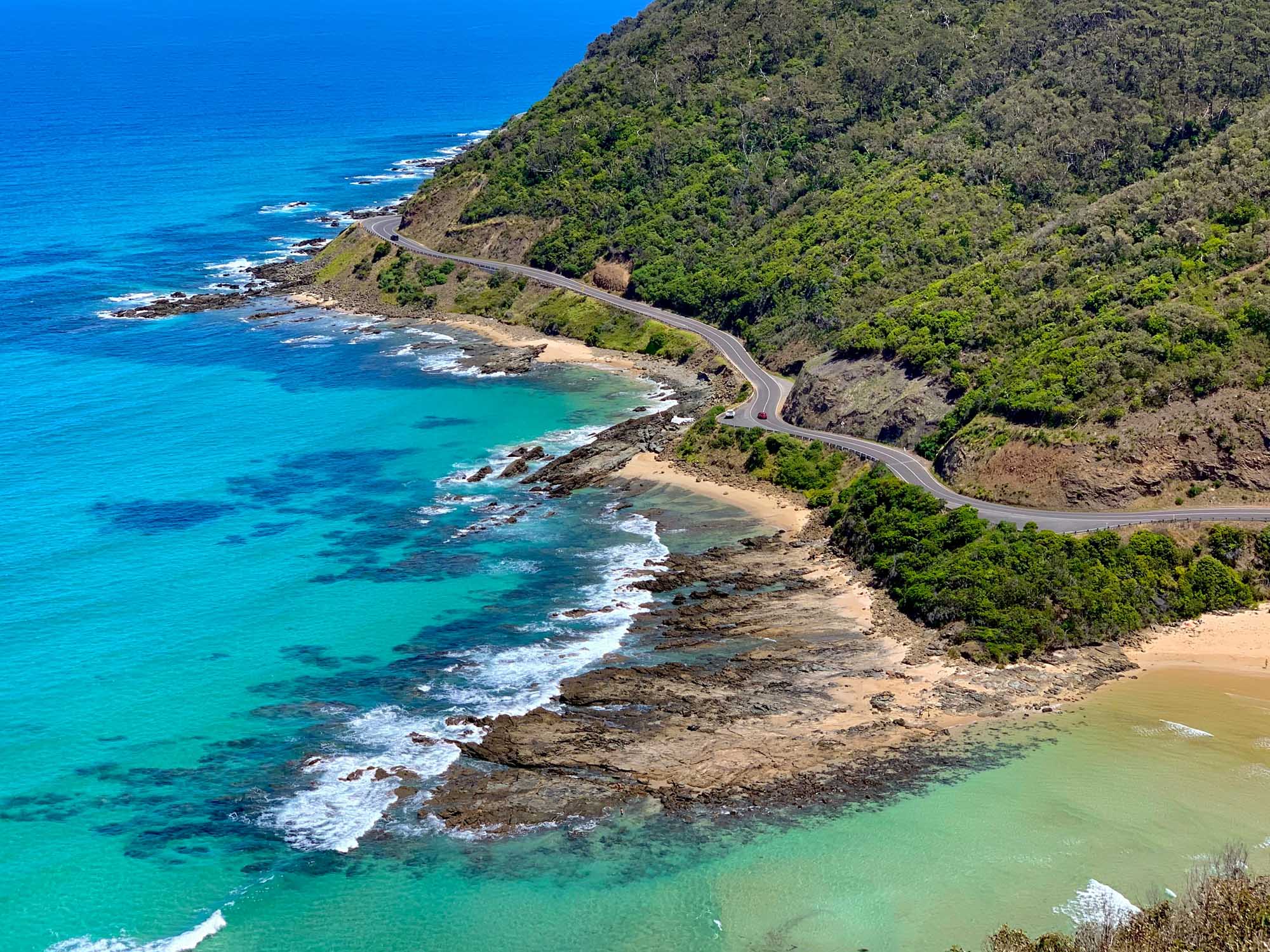
A short drive today – roughly ninety minutes – which leaves plenty of time to soak up the coast. The road hugs the cliffs and dips through small settlements before reaching Johanna Beach, one of the most striking stretches of sand on the entire Great Ocean Road. It’s wild and open. Beautiful on a calm day, dramatic in a storm. The kind of beach that rewards repeat visits.
Accommodation here is Boomerangs at Johanna – architect-designed, boomerang-shaped cottages with valley, forest and ocean views, set in landscaped gardens just minutes from the beach. Located at the halfway mark of both the Great Ocean Road and the Great Ocean Walk, the property is suited to couples, families, and honeymoon travellers. One cottage includes disabled facilities.
Two nights here gives clients time to decompress and explore the surrounding area at leisure rather than rushing through.
Trade tip: Johanna is a lesser-known stop for international travellers, which is part of its appeal. It feels genuinely off the beaten track. The two-night stay avoids the common pitfall of this itinerary being nothing but driving. Clients appreciate the slower pace here.
Exploring the Otway Ranges & Surrounds
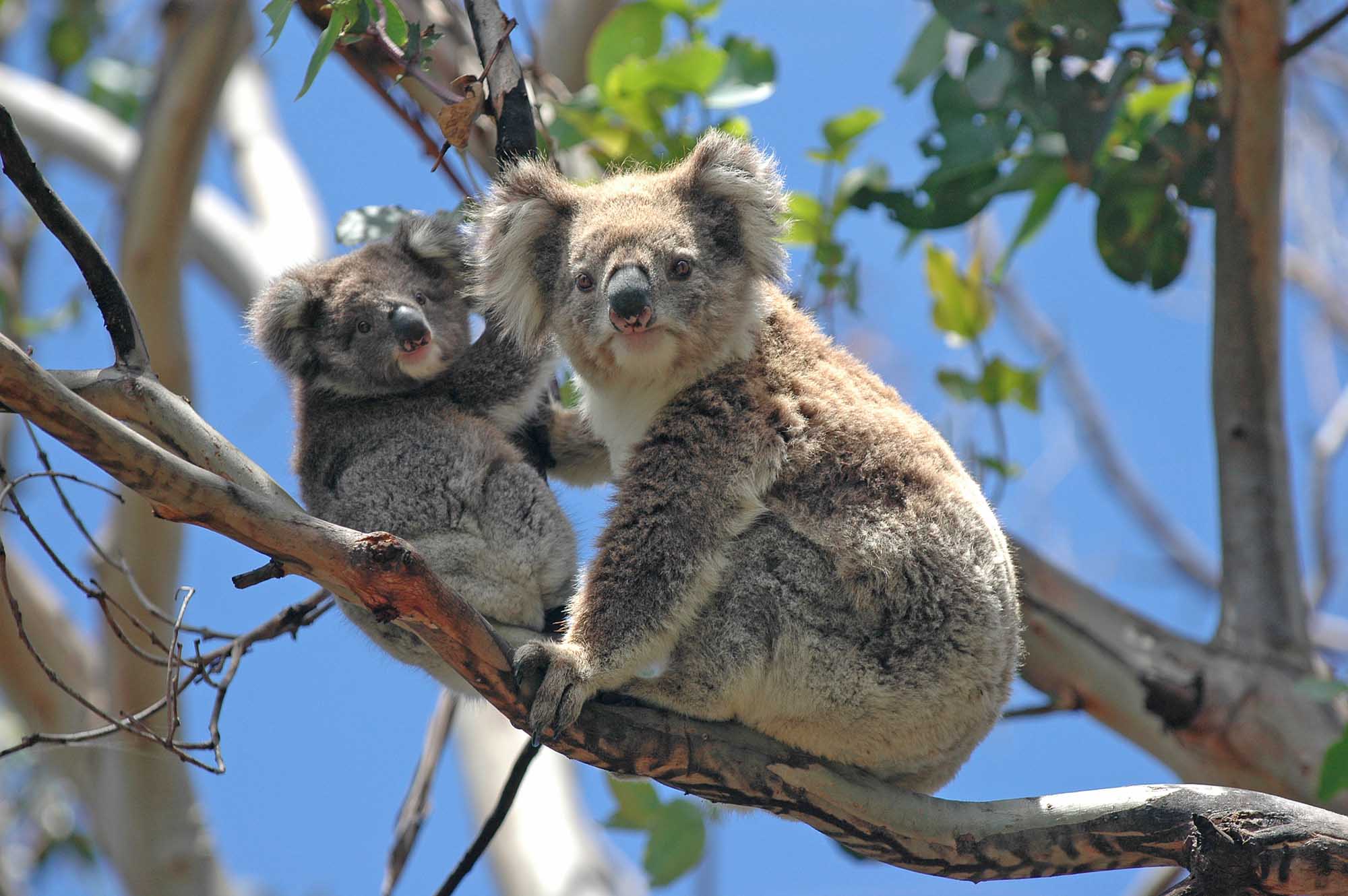
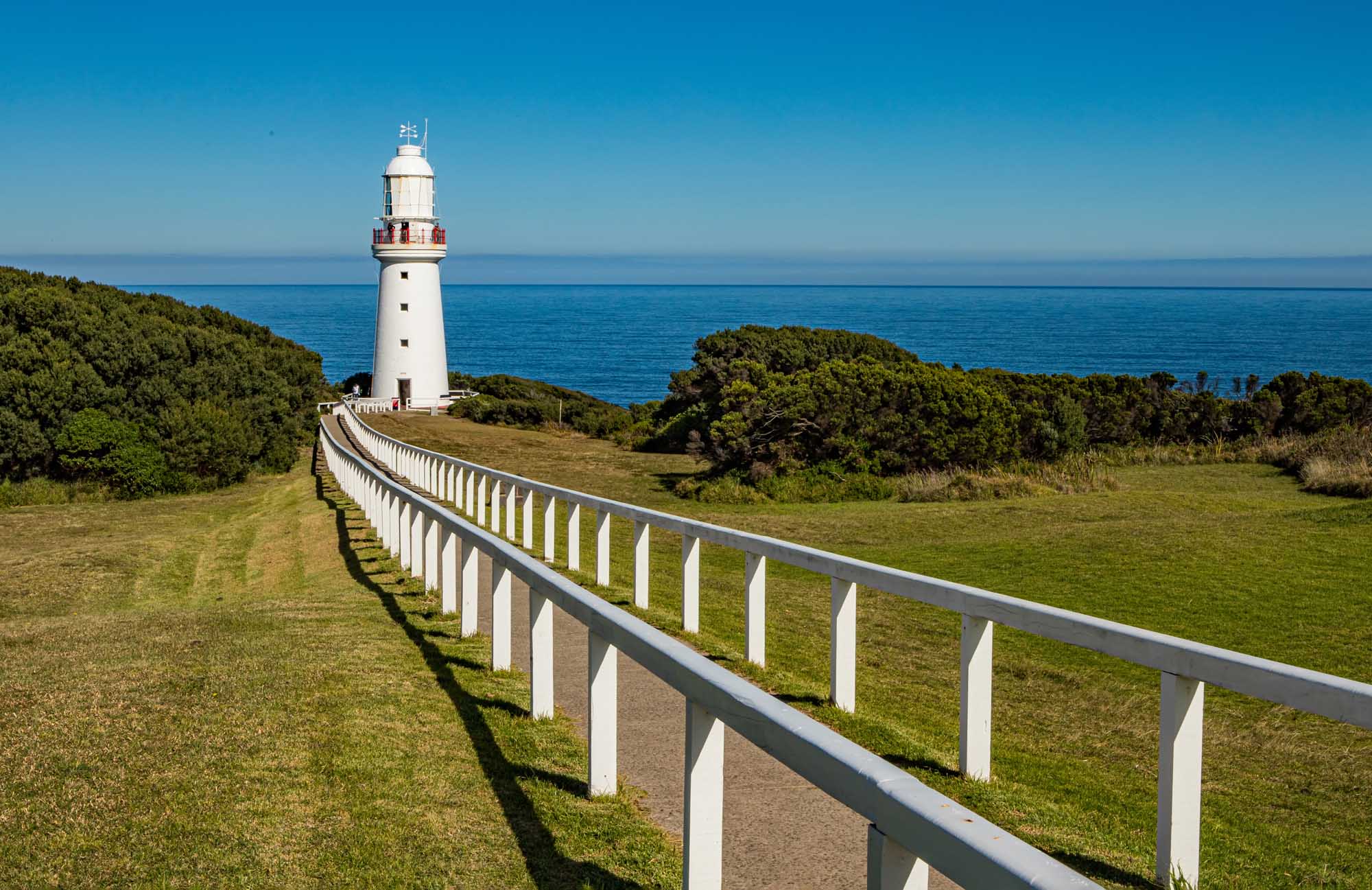
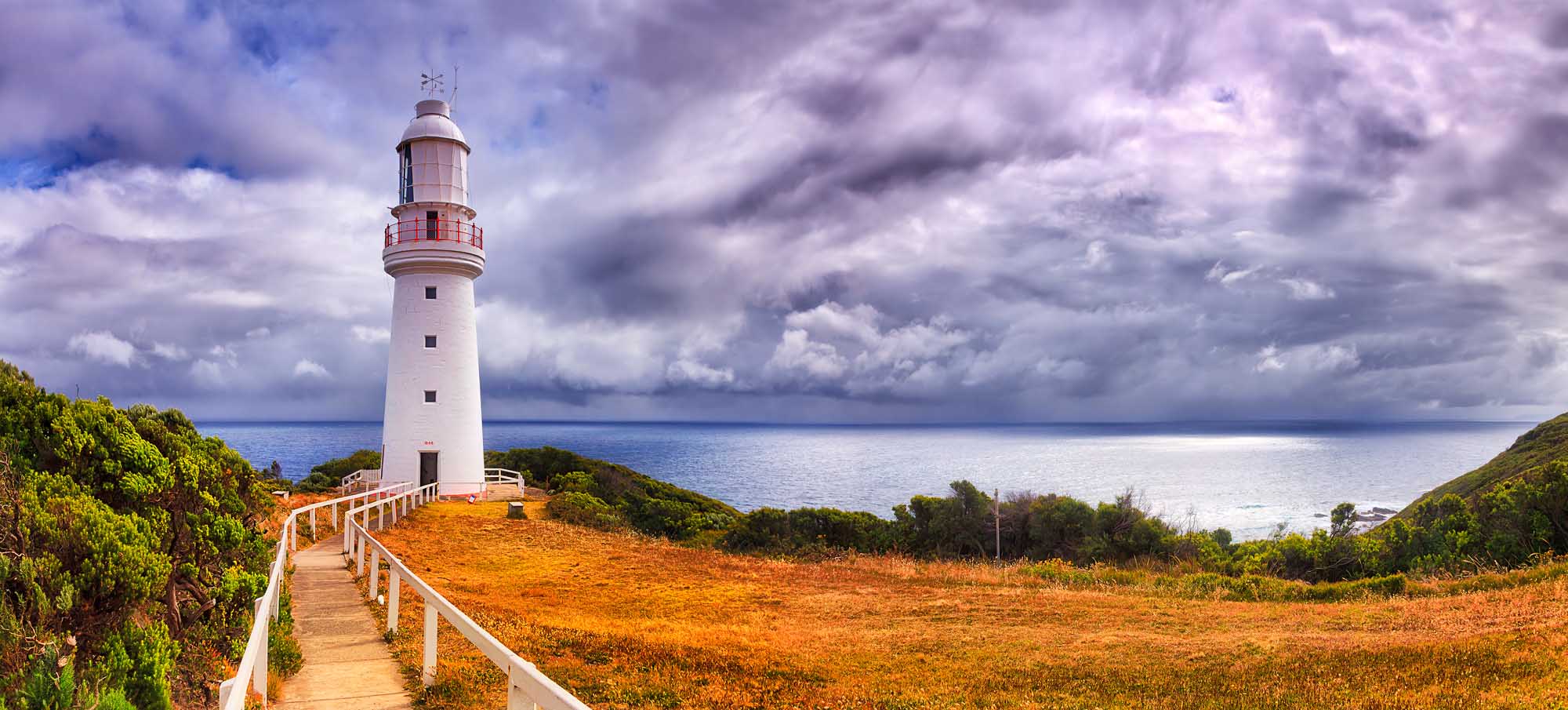
A full day based at Johanna with a menu of activities to suit different interests. The Otway Ranges are just 30 minutes by car – temperate rainforest, some of Victoria’s most beautiful waterfalls, and the Otway Fly treetop walk soaring 45 metres into the canopy. Triplet Falls is close by and well worth the detour. Cape Otway Lightstation, Australia’s oldest mainland lighthouse, sits at the edge of the Great Southern Ocean with koalas frequently spotted along the approach road.
For something more active, there’s kayaking with a permanent colony of Australian fur seals near Apollo Bay – paddle out, spend time with the seals, maybe catch a small wave back to shore. Surf lessons at Apollo Bay are another option, with soft boards and full wetsuits provided. The Great Ocean Walk begins in Apollo Bay and runs 100 kilometres to the Twelve Apostles – day sections can be arranged for clients who want a taste of it without committing to the full trail.
Helicopter flights over the Twelve Apostles operate from several locations along this stretch of coast, including near Apollo Bay. That said, most clients choose to take the flight on Day 4 when they’re at the Twelve Apostles themselves – the experience is more immediate from there.
Trade tip: This is the day where the itinerary can be tailored to the individual client. The Otways and canopy walk appeal to nature lovers, while adventure types gravitate toward surfing and sea kayaking. Clients interested in maritime history will enjoy the lighthouse. Or they can mix and match. We can pre-book activities and build the day around client preferences.
The Twelve Apostles, Shipwreck Coast & Port Fairy
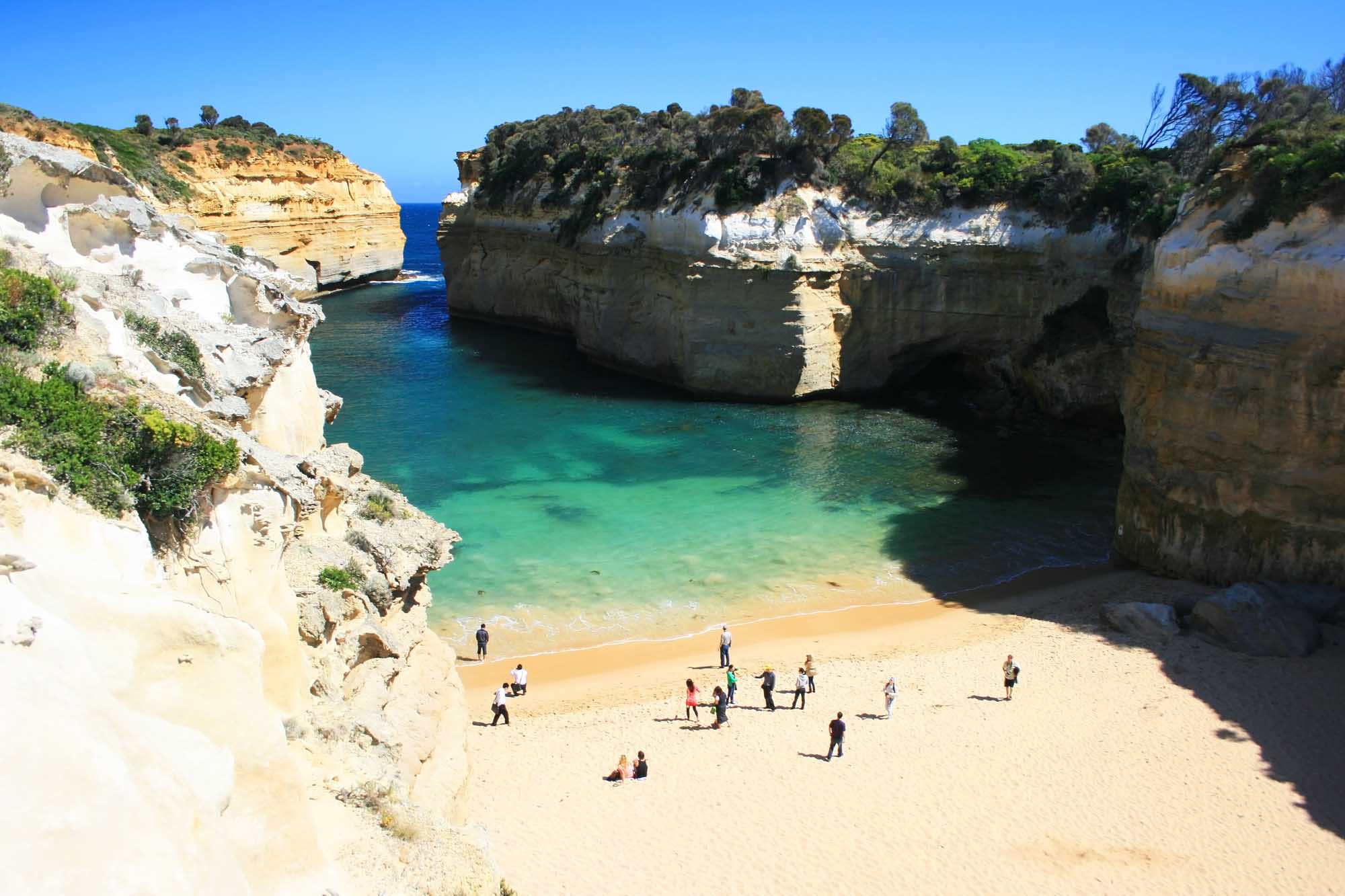
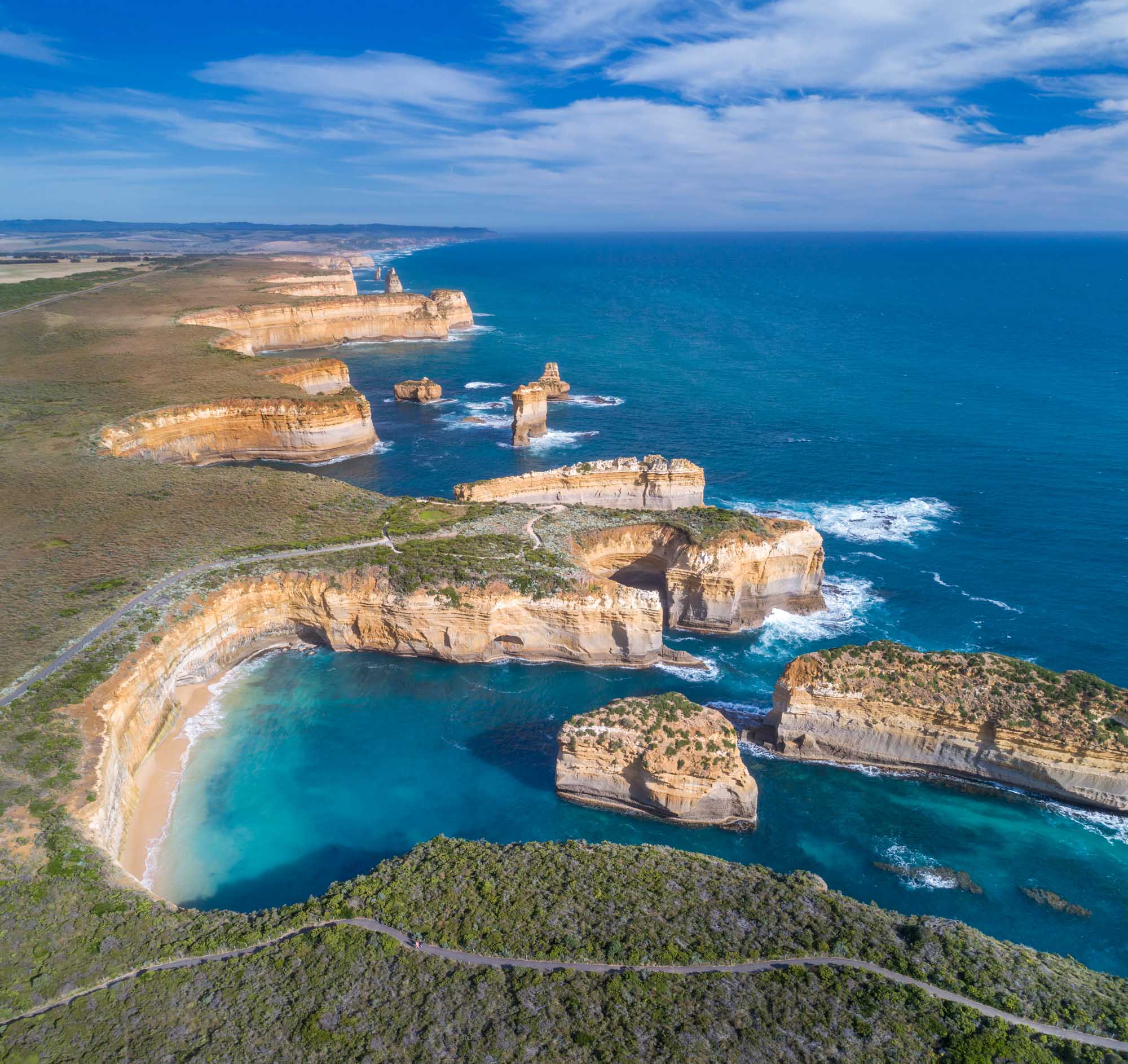
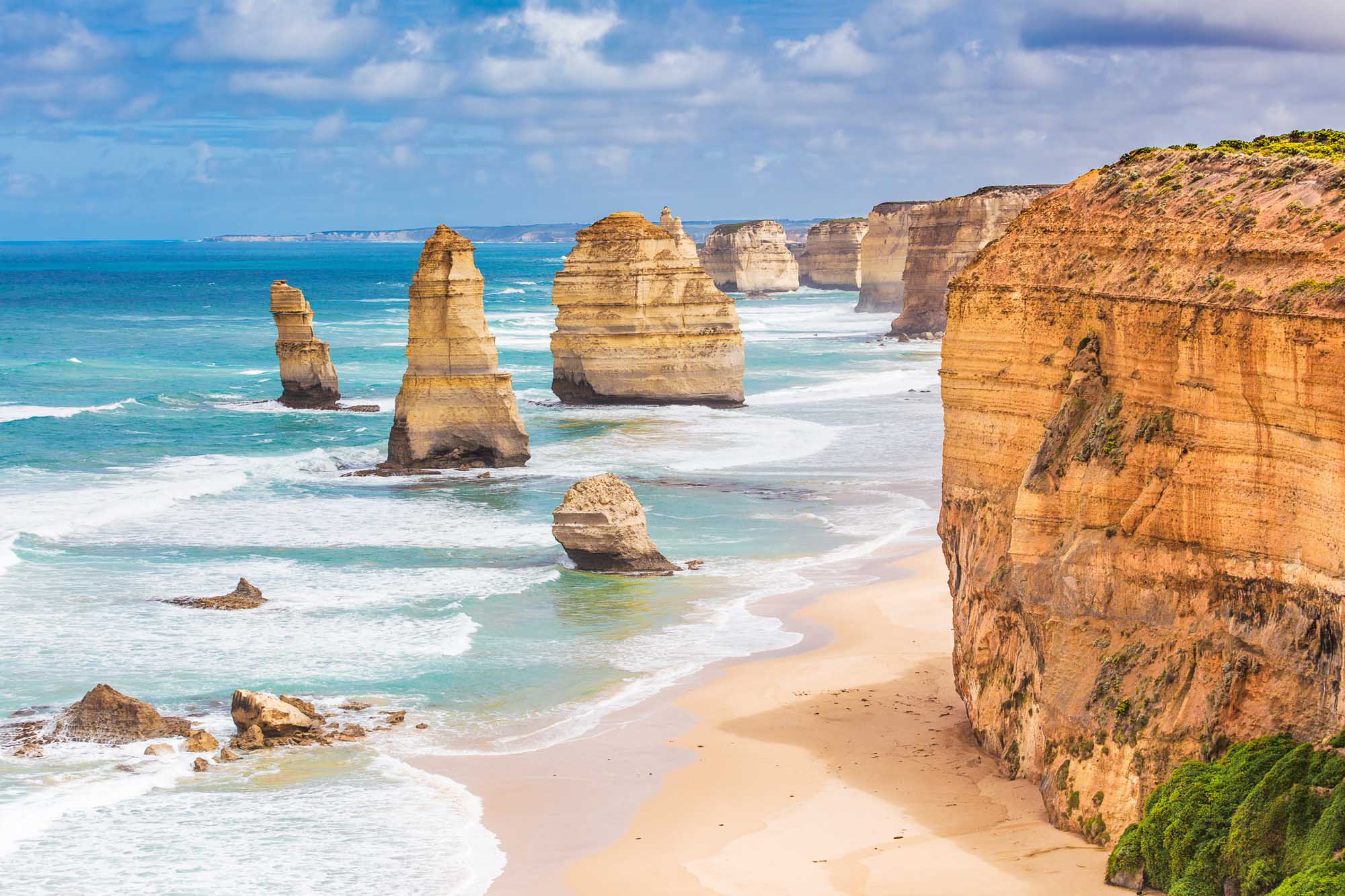
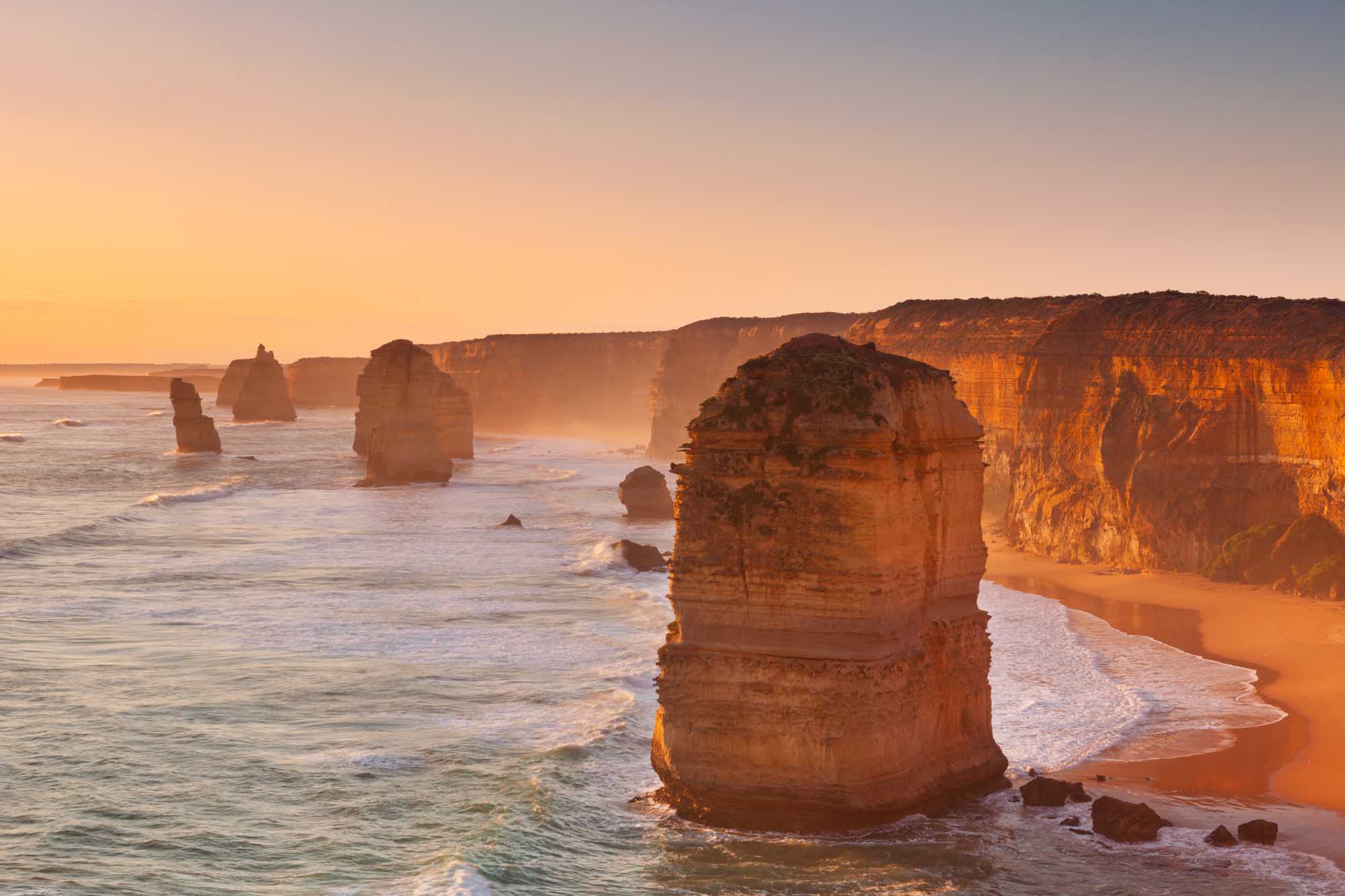
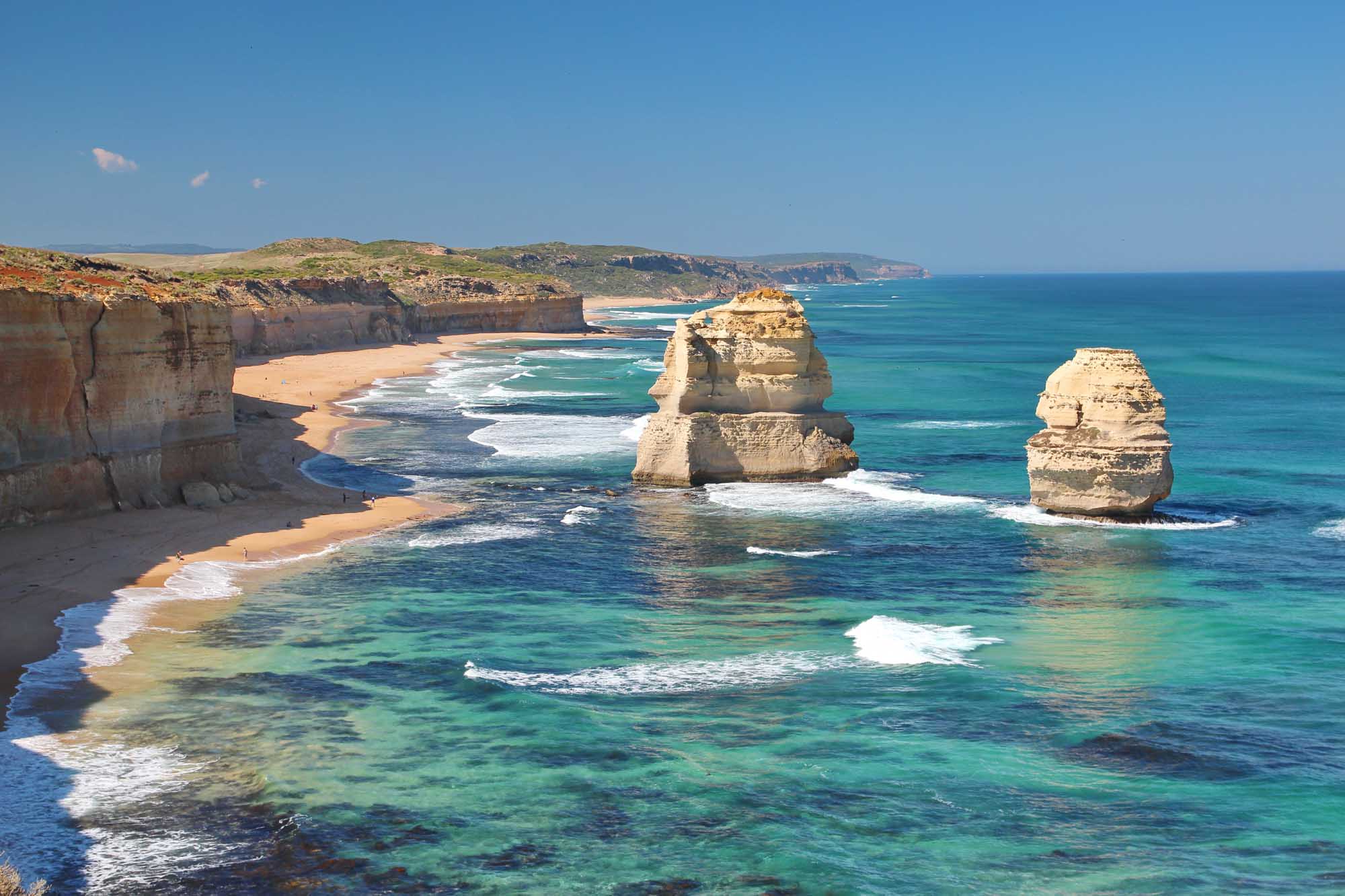
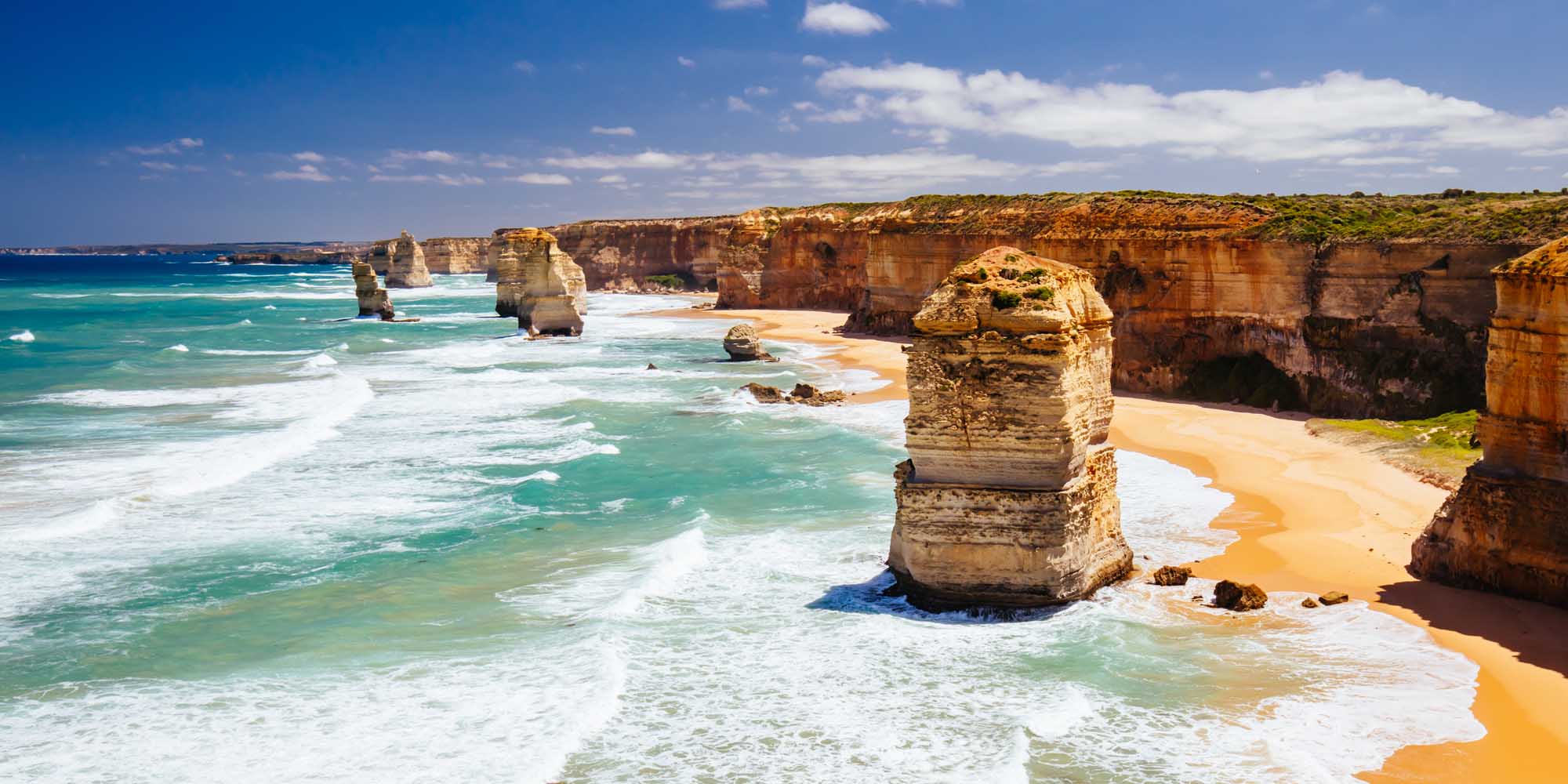
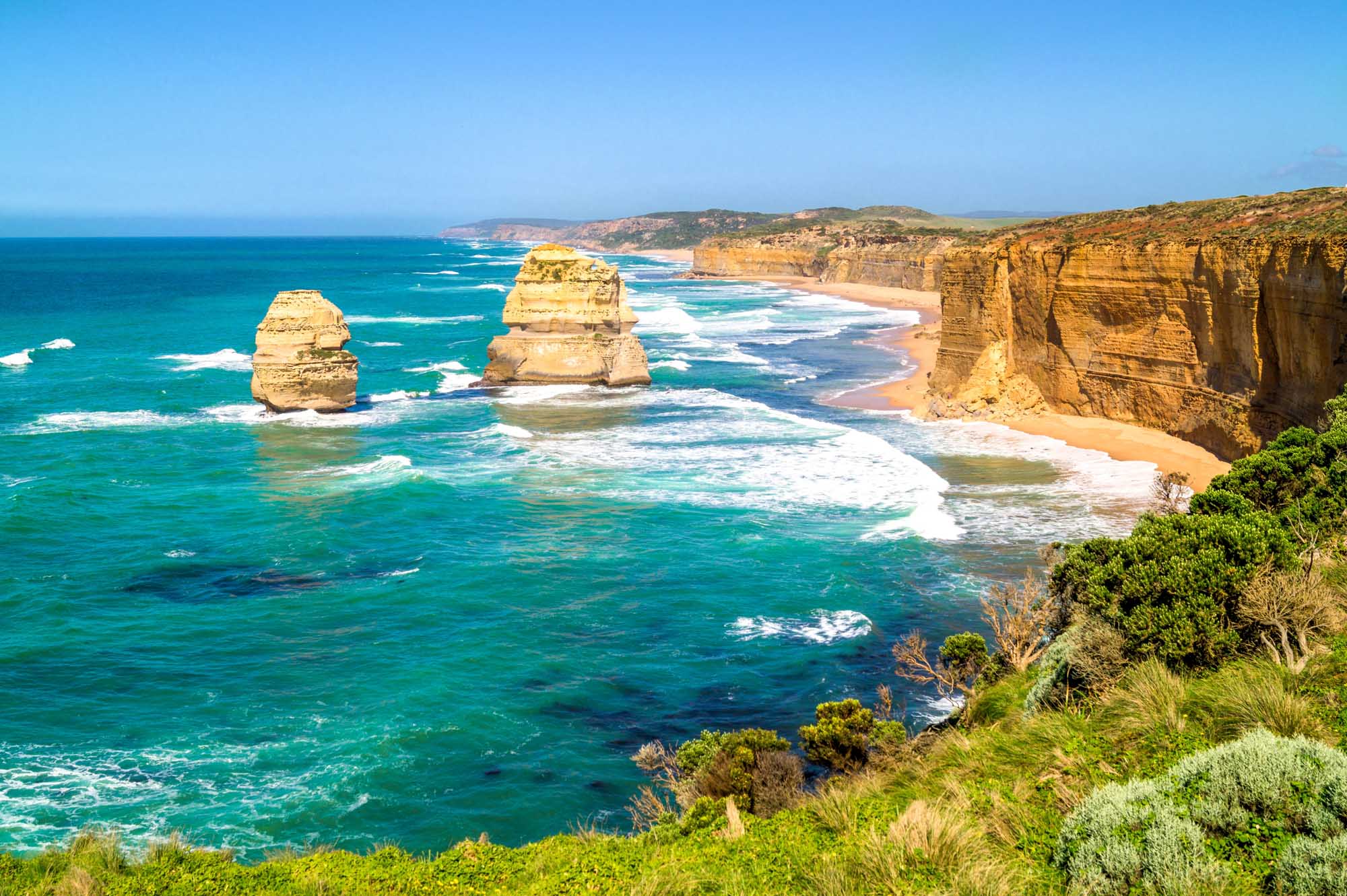
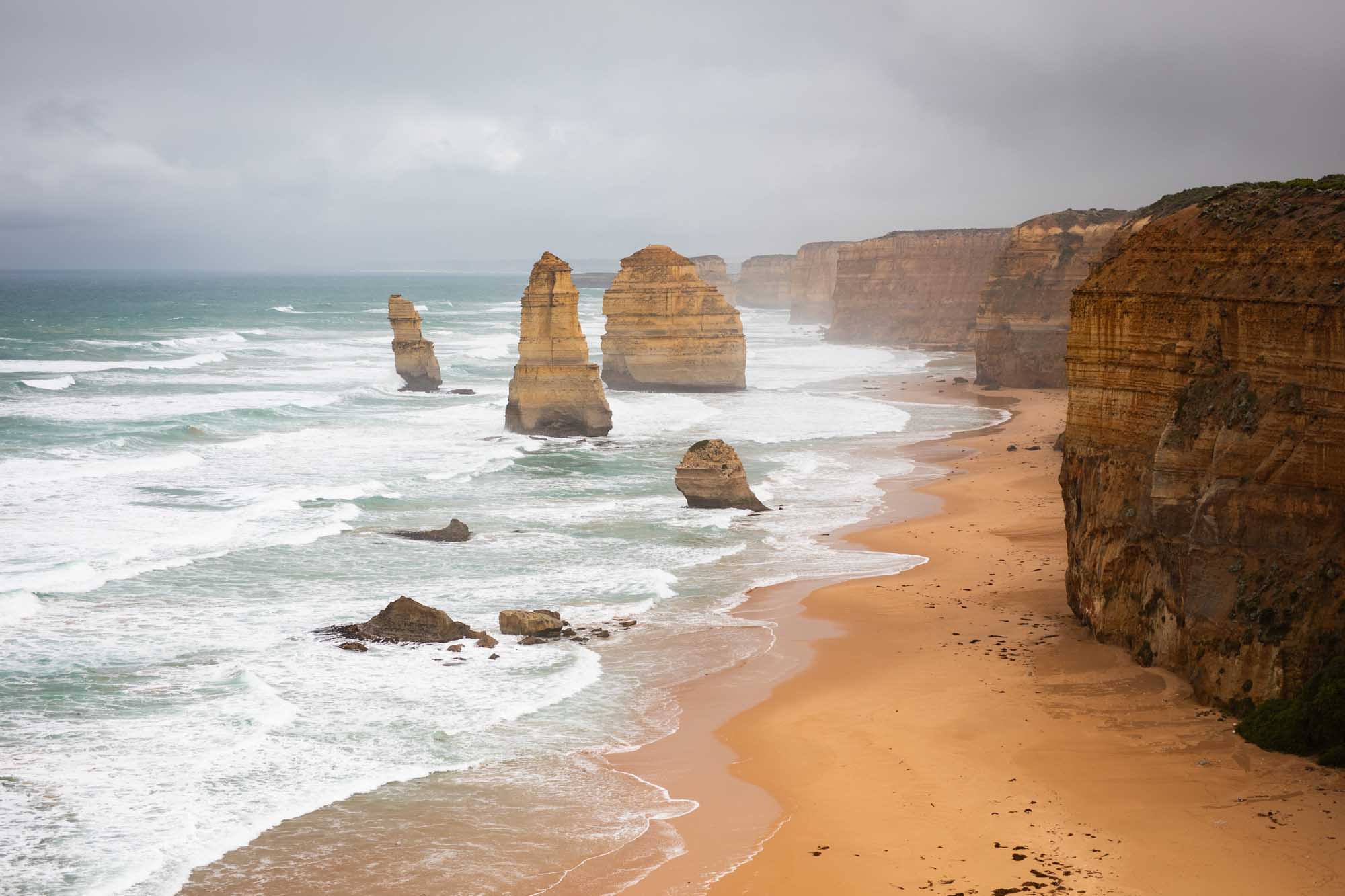
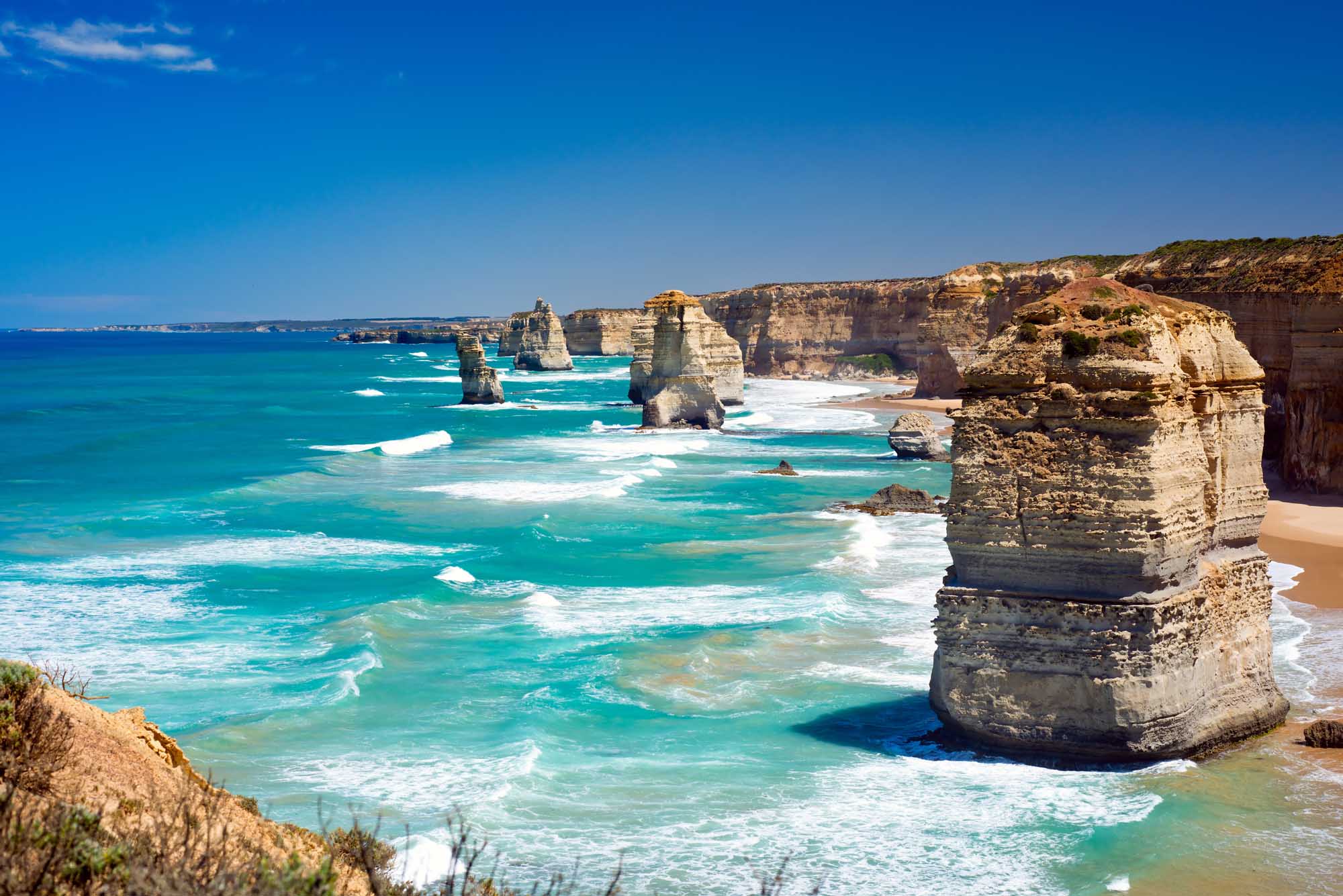
The hero stop of the Great Ocean Road. The Twelve Apostles are a series of towering limestone pillars rising from the Southern Ocean – despite the name, there were never actually twelve (the formation was originally called the Sow and Piglets before being rebranded). Eight stacks remain today as erosion continues to reshape the coastline, and the geology is genuinely staggering. Park at the designated car park and follow the paved pathway to the lookout. A 15-minute walk brings you to Gibson Steps, where 86 stairs carved into the cliff face lead down to the beach for a close-up view at sea level.
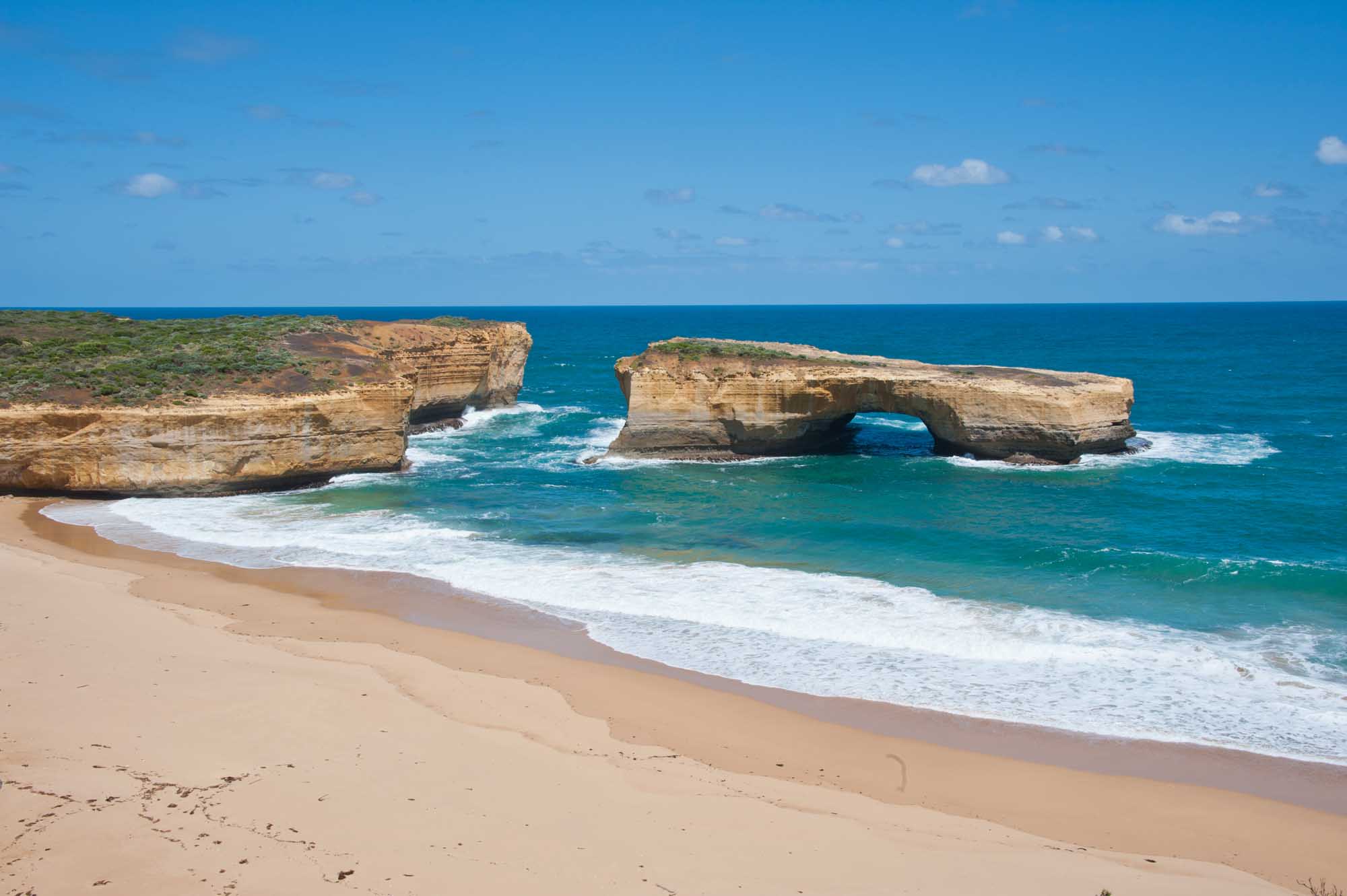
A scenic helicopter tour here takes in the Apostles, Loch Ard Gorge, and London Bridge from the air. Worth building into the day for clients who want the full experience.
Continue along the Shipwreck Coast – named for the wild seas that claimed hundreds of vessels along Victoria’s treacherous western coastline – to Warrnambool. Between May and October, southern right whales calve off Logan Beach, visible from shore. Nearby, Worn Gundidj at Tower Hill Wildlife Reserve offers guided walking tours from an Aboriginal perspective through a nature reserve set inside a dormant volcano. Kangaroos, wallabies, emus, koalas, echidnas, and hundreds of bird species roam freely. At the end of the tour, travellers can try throwing a returning boomerang.
It’s a 30-minute drive from here to Port Fairy – a charming coastal village with a fisherman’s wharf, whitewashed cottages, and a pace that encourages strolling rather than rushing.
Trade tip: This is the longest driving day of the itinerary but the stops break it up well. The Twelve Apostles helicopter flight should be pre-booked where possible. If your clients are travelling May to October, the whale watching at Warrnambool is a genuine highlight – mention it in the sell. Port Fairy itself is a lovely overnight stop with good boutique accommodation options.
Portland, Mount Gambier & Coonawarra Wine Region
An hour’s drive from Port Fairy brings you to Portland, a historic township where fishing boats unload their catch on the waterfront. The 10-minute drive to Cape Nelson Lighthouse is worthwhile for the maritime history and coastal views. Nearby, the 2.5km Cape Bridgewater Seal Walk leads to a viewing platform overlooking a colony of roughly 650 Australian fur seals. Cage snorkel dives are available for clients who want to get up close.
Cross the South Australian border through Nelson and continue to Mount Gambier, built on an ancient extinct volcano and circled by vivid crater lakes. The 3.6km trail around Blue Lake is a must – the lake turns a striking cobalt blue from December to March. The Umpherston Sinkhole is another standout: a collapsed limestone cave transformed into a sunken garden back in 1886. At dusk, resident possums emerge into the floodlit gardens.
An hour north from Mount Gambier is Coonawarra, a wine region defined by a unique cigar-shaped strip of terra rossa soil just 27 kilometres long and two kilometres wide. The region is famous for its cabernet sauvignon. Over 25 cellar doors dot the strip, including Wynns Coonawarra Estate and Balnaves.
Trade tip: The border crossing into South Australia is seamless by road and adds real variety to the itinerary. Mount Gambier is an underrated stop – the Blue Lake and sinkhole are genuinely unusual. Coonawarra works particularly well for clients with any interest in wine. We can arrange accommodation at vineyard retreats with views across the vines.
Naracoorte Caves, Strathalbyn & Victor Harbor
A half-hour drive north from Coonawarra reaches World Heritage-listed Naracoorte Caves National Park. Twenty-six limestone caves house fossilised skeletons of giant marsupials – four caves are open to the public via self-guided tour. It’s a genuinely fascinating stop, even for travellers who aren’t particularly interested in palaeontology.
From here, a three-hour drive through rolling countryside reaches Strathalbyn, a heritage township on the Angas River with more than 30 heritage-listed buildings, antique shops, and the Soldiers Memorial Gardens – a good spot for a picnic lunch.
Continue 40 minutes south to Port Elliot for a swim at Horseshoe Bay or surf at Boomer Beach, then on to Victor Harbor. The town is known for its horse-drawn tramway dating back to 1878, connecting the mainland to Granite Island via a causeway. Granite Island is home to a colony of little penguins. Between June and October, The Big Duck boat tours run out to the southern right whale breeding sanctuary of Encounter Bay.
Trade tip: Victor Harbor is a charming overnight base with a different feel to the rest of the itinerary – seaside heritage town rather than wild coast or wine country. The horse-drawn tram to Granite Island is one of those uniquely Australian touches that photographs well and clients remember. Whale season adds another compelling layer for winter travellers.
McLaren Vale & Arrive in Adelaide
The final day winds through the rolling hills of Mount Compass to McLaren Vale, a 50-minute drive north from Port Elliot. This is one of South Australia’s premier wine regions, with around 45 cellar doors including Yangarra, d’Arenberg, and Hickinbotham Clarendon Vineyard. McLaren Vale is equally strong on food – Coriole Restaurant serves seasonal dishes matched with wines from the property.
From McLaren Vale, it’s an easy 45-minute drive into central Adelaide. The cultural boulevard of North Terrace is home to the South Australian Museum and Adelaide Botanic Garden. Rundle Mall offers department stores and shopping, and the 35-minute tram ride from Rundle Mall to Glenelg Beach makes for a relaxed seaside stroll before dinner. Press Food & Wine, Peel St, and Ruby Red Flamingo are all strong options for the final evening. (Note: specific venue recommendations are current at time of publication and may change – AABH will provide the latest local recommendations at time of booking.)
Trade tip: Don’t rush McLaren Vale. A long lunch at a cellar door restaurant is a great way to ease into the final day. We can arrange Adelaide accommodation, city touring, onward flights, or extensions into the Barossa Valley, Kangaroo Island, or the Flinders Ranges. The car can be dropped at Adelaide CBD or airport depending on the client’s onward plans.
WHAT’S INCLUDED