
COMPLETE ITINERARY
Your South West Edge Journey – Day by Day
Margaret River to Albany via Karri Country
The tour begins the evening before with a social gathering at the Settlers Tavern in Margaret River – a relaxed way for the group to get acquainted before the journey starts in earnest. The following morning, departure is at 8.00am.
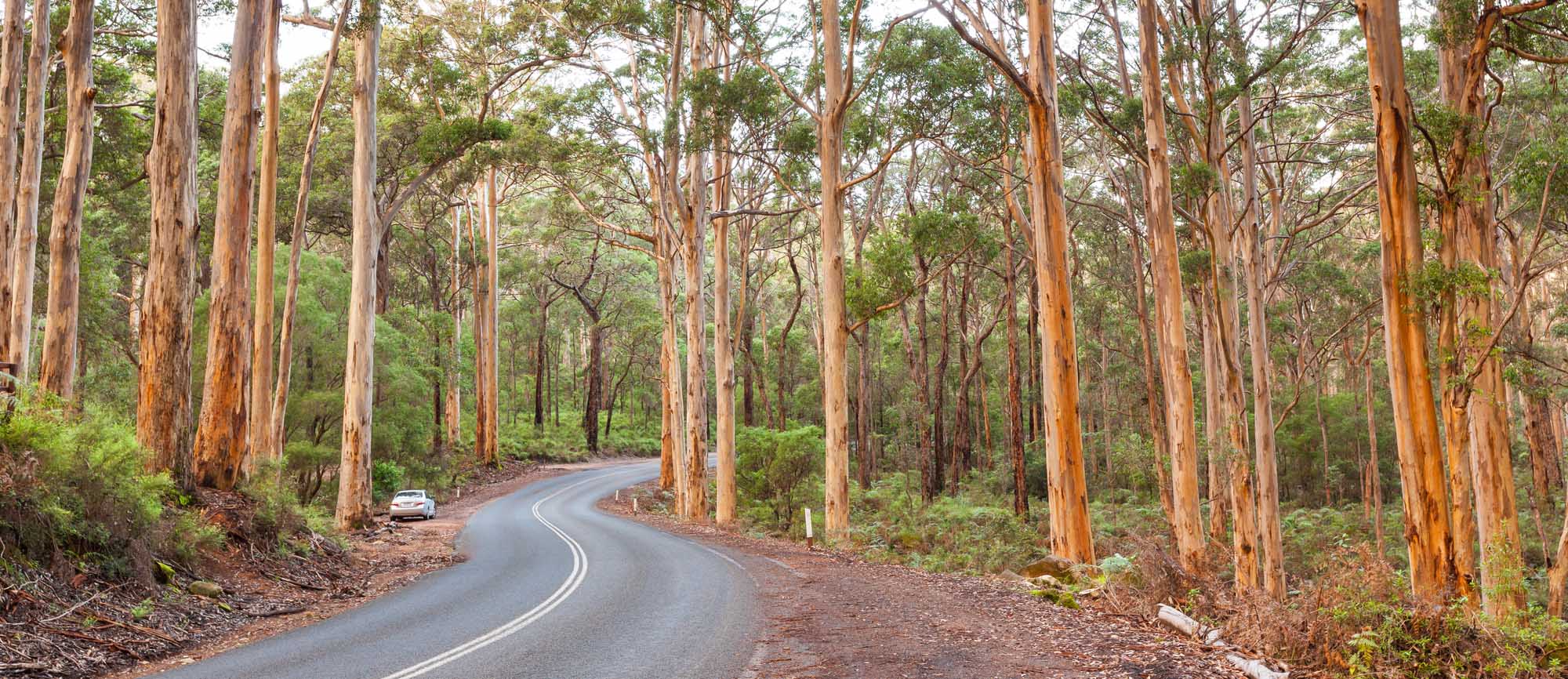
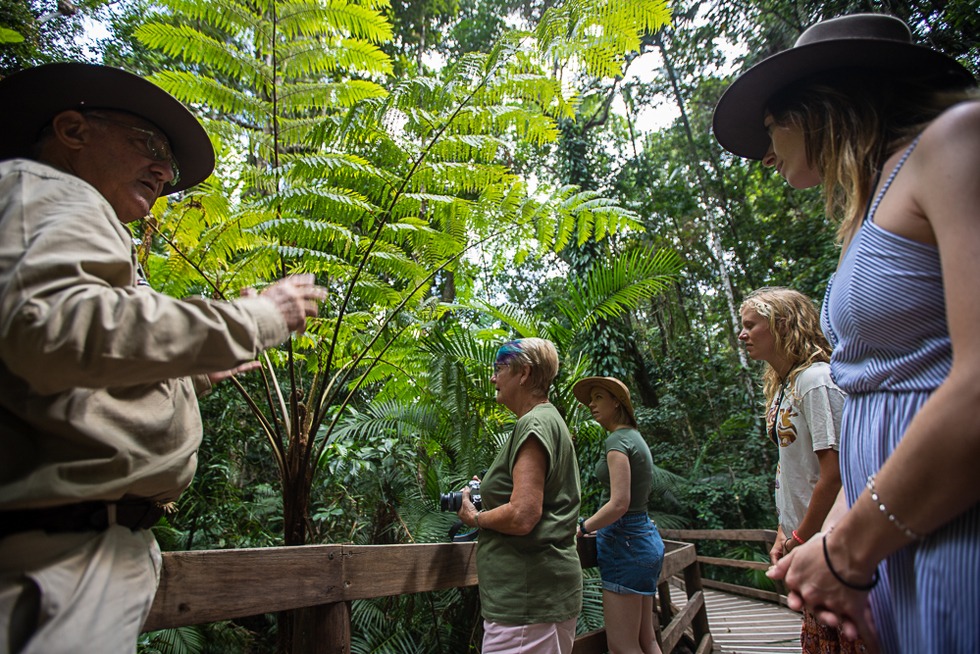
The route heads south-east, crossing the Blackwood River through Nannup and into Bridgetown for a quick visit. From there it’s on through Manjimup to Pemberton for morning tea, before the road plunges into the towering karri forests – some of the tallest hardwood trees on earth. The drive through to Walpole is extraordinary, dense forest canopy overhead, light filtering through in shafts.
After a late lunch in Walpole, guests walk amongst the treetops on the Valley of the Giants Tree Top Walk before continuing to Denmark for wine tastings and afternoon tea. The day ends in Albany with two nights at the Dog Rock Motel, and dinner at Lime 303 – a well-regarded restaurant within the motel complex.
Trade tip: This first day covers serious ground but it never feels rushed. The karri forest drive and treetop walk give international clients an immediate sense of how different Western Australia’s south west is from anything they’ve seen before. The evening at Settlers Tavern the night prior is a nice touch for group bonding.
Albany – Colonial History, Whaling & the National Anzac Centre
An 8.30am start. Albany holds the distinction of being the first colonial settlement in Western Australia, established as a military outpost in late 1826 as part of the Colony of NSW – originally called Frederick Town. It was formally proclaimed part of the Swan River Colony in 1831 and renamed Albany the following year.
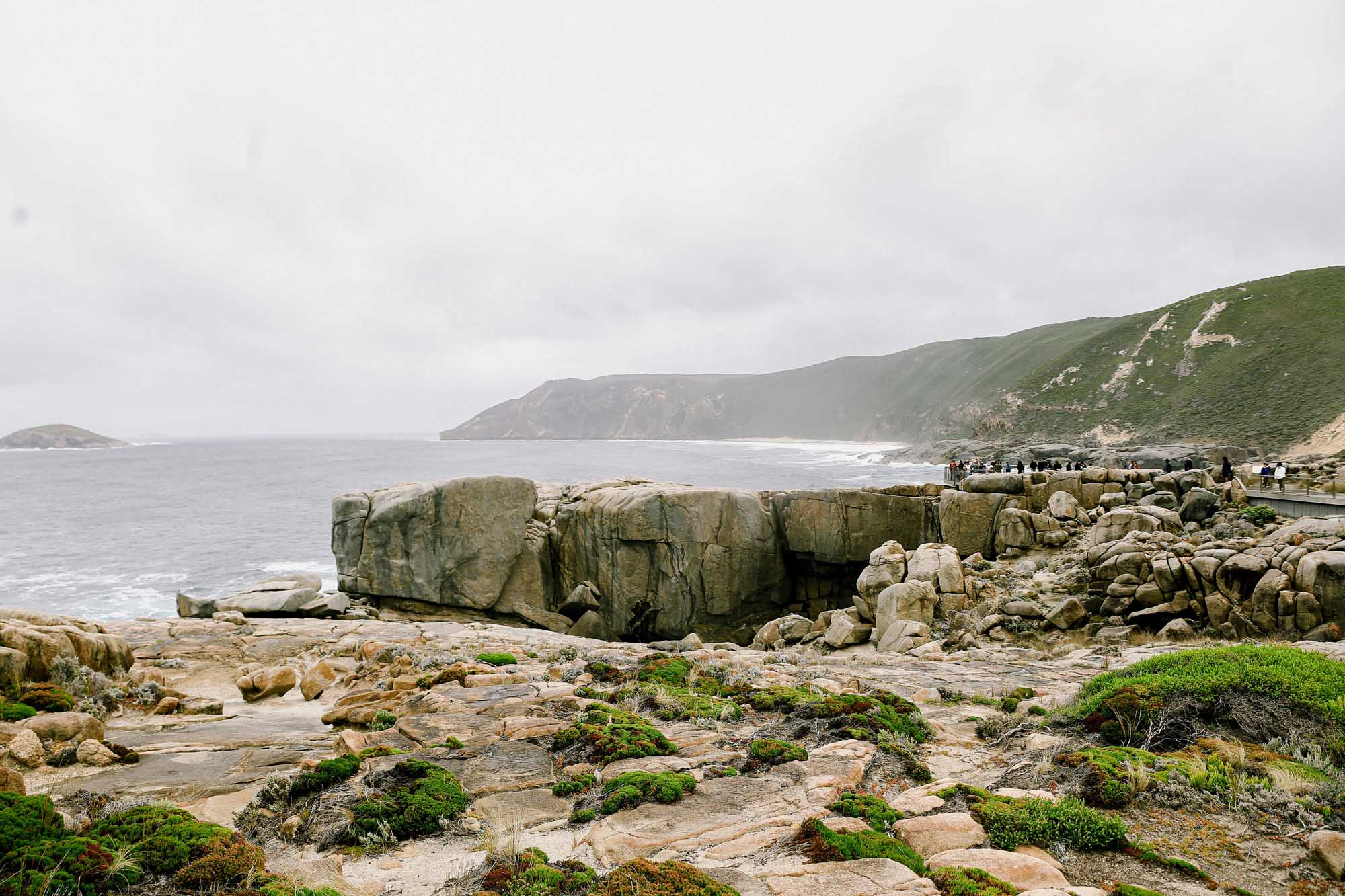
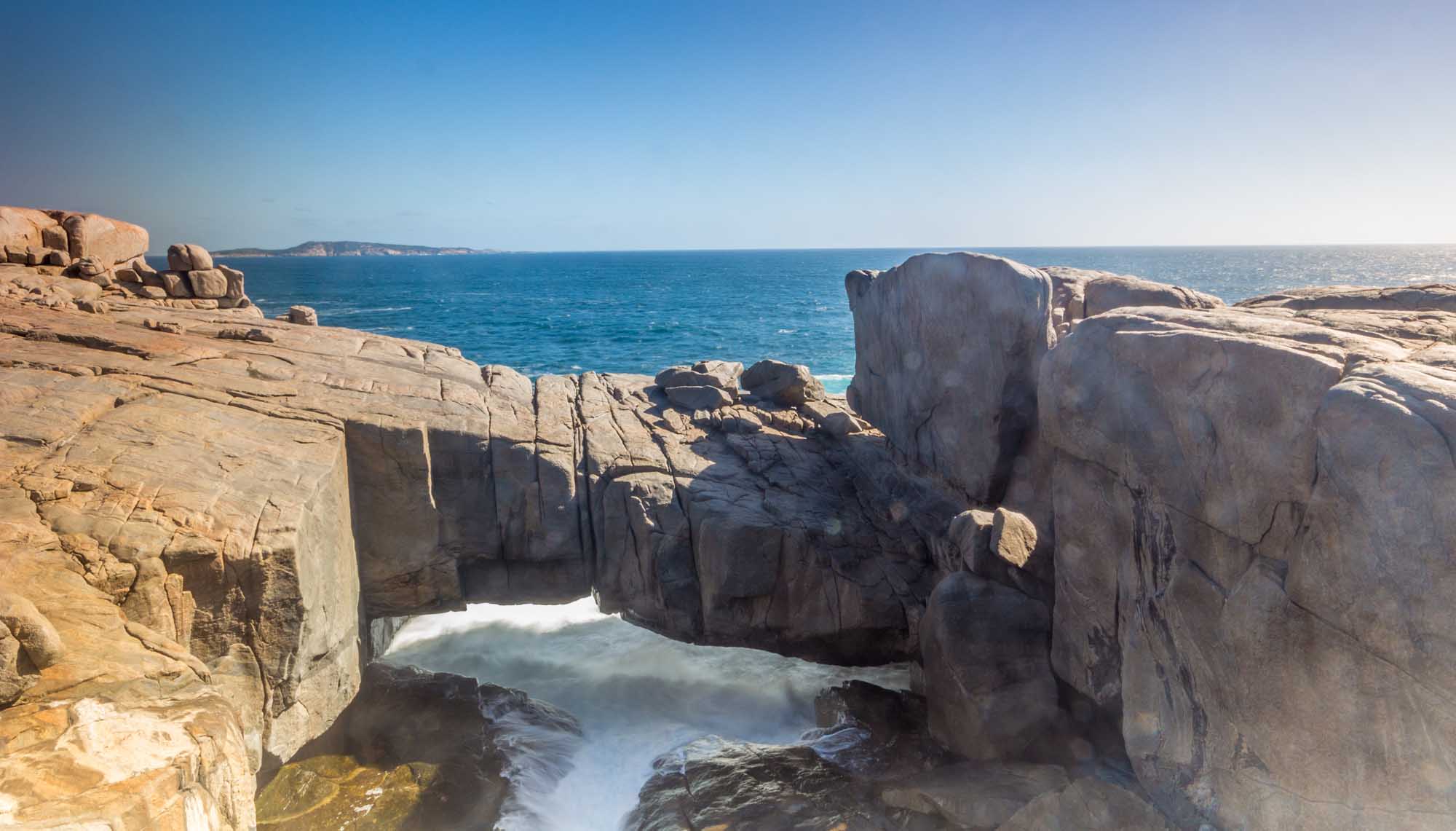
The morning takes in the Natural Bridge and the Gap – dramatic granite formations where the Southern Ocean has carved into the cliffs – followed by Albany’s Historic Whaling Station, where guests can step aboard the former Cheynes IV Whalechaser. Lunch is at Whaler’s Cafe with views across the islands.
The afternoon centres on the National Anzac Centre and Convoy Lookout, overlooking King George Sound where Australia and New Zealand’s first contingent of 30,000 troops were anchored in convoy in October 1914 before departing for WWI. It’s a genuinely moving site.
Late afternoon brings a unique wellness session – a pilates mat class followed by meditation and breathwork – within a restful country property overlooking the Kalgan River Valley. A tour of the sustainable rural property rounds it out before the final evening dinner at Lime 303.
Trade tip: The Anzac Centre is world-class and rarely features on international itineraries. For UK, Canadian, and New Zealand markets especially, the WWI connection resonates powerfully. The wellness component adds an unexpected layer that appeals to a broad client base.
Stirling Range, Indigenous Fish Traps & the Horsepower Highway
Departing at 8.00am, the morning begins with a drive past the painted wheat silo at Albany’s port, then to Middleton Beach and Emu Point. Here guests learn about Oyster Harbour – the recovery programmes for sea grasses, commercial oyster farming using an artificial reef system, and the rich estuarine birdlife. Morning tea at Emu Point Cafe.
A short drive via Lower King and Nanarup Road reaches the Indigenous fish traps at Oyster Harbour – cultural sites of the local Menang peoples of the Noongar nation, over 6,000 years old and still visible today. These were sophisticated systems for trapping different fish species as a major food source.
The route then climbs into the Stirling Range to the carpark lookout at Bluff Knoll – at 1,099 metres, the highest peak in the range. Known to Noongar people as Pualaar Miial, meaning “place of many eyes.” Keep watch for black cockatoos, purple-crowned lorikeets, and birds of prey.
A detour along the Horsepower Highway to Gnowangerup showcases old tractors and artwork reflecting the region’s agricultural heritage, before lunch at the Yongergnow Malleefowl Centre in Ongerup – a sanctuary forming part of the National Malleefowl Recovery Program. A quick stop at the Ongerup Railway Museum and wildflower display follows, then on to Ravensthorpe for photos of the FORM Public Silo Art Trail wheat silos before arriving at Wavecrest Resort in Hopetoun for two nights.
Trade tip: This is a big day packed with variety – Indigenous heritage, wildlife conservation, mountain scenery, and public art. The fish traps rarely appear in mainstream tourism and they’re a genuinely significant cultural site. Strong content for clients interested in Indigenous culture and nature.
Fitzgerald River National Park with a Local Guide
An early rise and 8.30am departure for a morning adventure led by a local guide with a Bachelor of Environmental Science in Conservation and Wildlife Biology. He takes the group into the Fitzgerald River National Park – the core of the internationally recognised Fitzgerald Biosphere Reserve and an internationally recognised Ramsar Wetland.
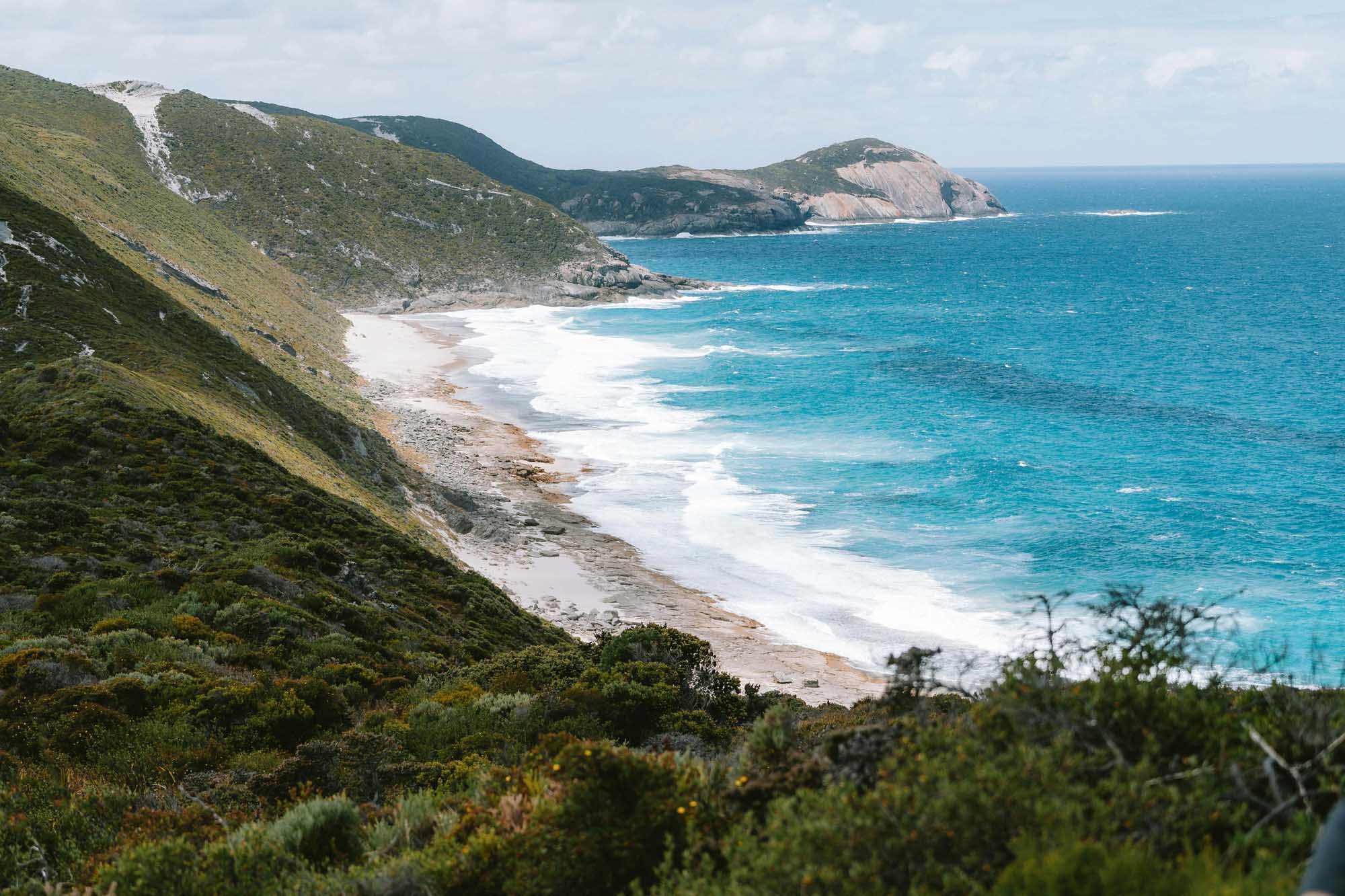
The park is one of the most botanically significant areas in Australia. Guests explore the stunning wildflower displays and bushland that backs onto wild coastal and marine ecosystems with extraordinary ocean views. The guide’s depth of knowledge turns what could be a pleasant nature walk into something genuinely educational.
Back to Hopetoun for lunch at a local cafe, then the afternoon takes in roadside artwork near Ravensthorpe and a stop at the old Elverdton gold-copper mine shaft and headframe for photos. Once in Ravensthorpe, guests have free time to explore the Visitor Centre and Museum, with afternoon tea and perhaps a visit to the Palace Hotel to say hello to the locals. Dinner back at Wavecrest Resort.
Trade tip: The Fitzgerald River National Park is a genuine hidden gem – internationally recognised but almost unknown to mainstream tourism. Wildflower season (roughly August to November) transforms the landscape completely. The specialist guide elevates this well beyond a standard national park visit.
Indigenous Heritage, Old Mine Shafts & on to Esperance
Departing around 9.00am from Hopetoun, the first stop is the Indigenous Memorial Site at Kukenarup – a place to pay respects to the local Noongar peoples who were massacred in the 1860s. It’s a sombre, important site just off the South Coast Highway. Nearby, a short drive into the Cocanarup Timber Reserve reveals salmon gums and a river crossing.
Along this stretch, guests may spot Carnaby’s Black Cockatoos (particularly in spring), wildflowers, old-growth Salmon Gum woodland, Jam Tree mid-storey, and possibly Sandalwood trees. A nature drive through the Ravensthorpe Range follows, with birdlife and wildflowers, plus a quick visit to another old copper-gold mine shaft at Mt Catlin before morning tea.
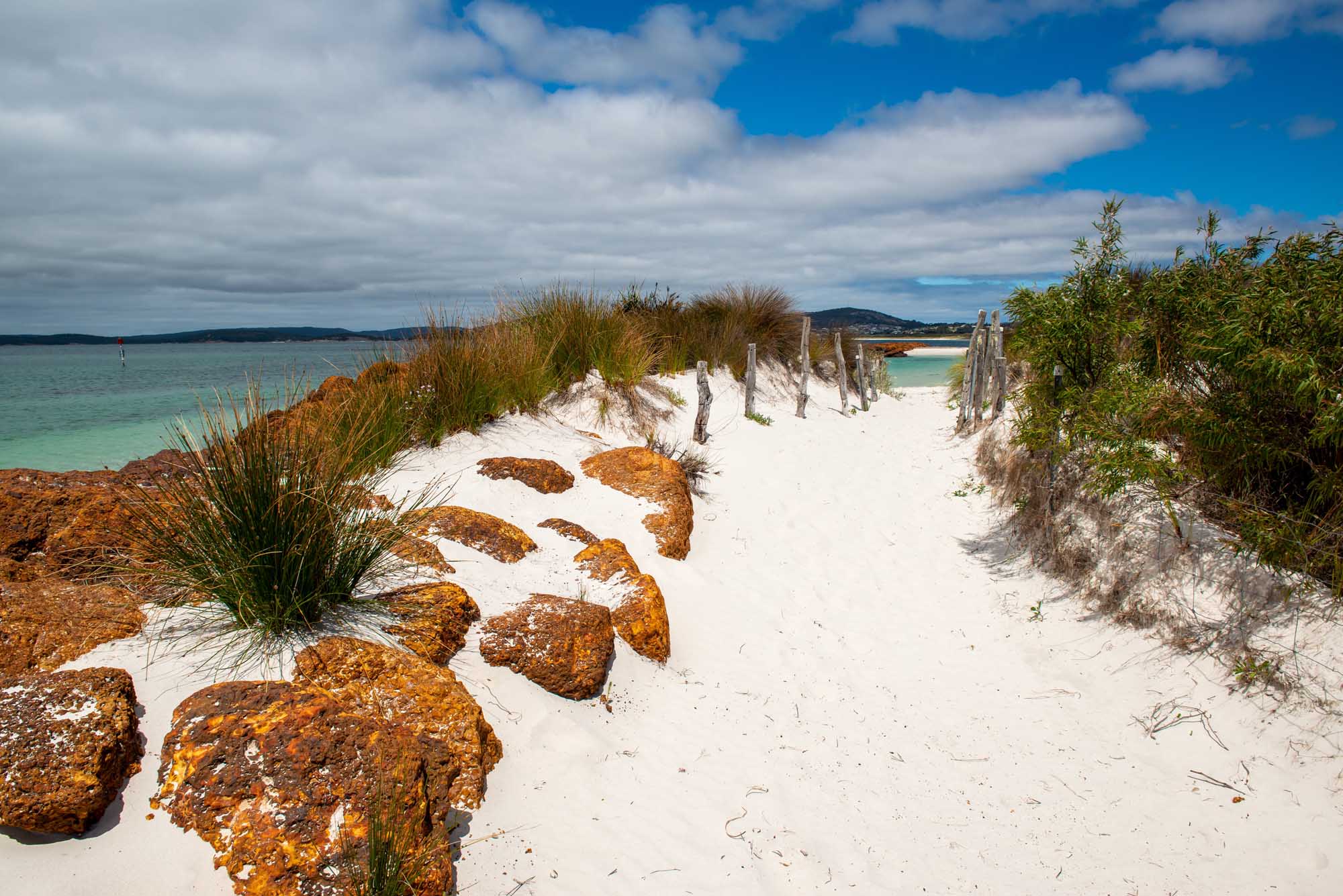
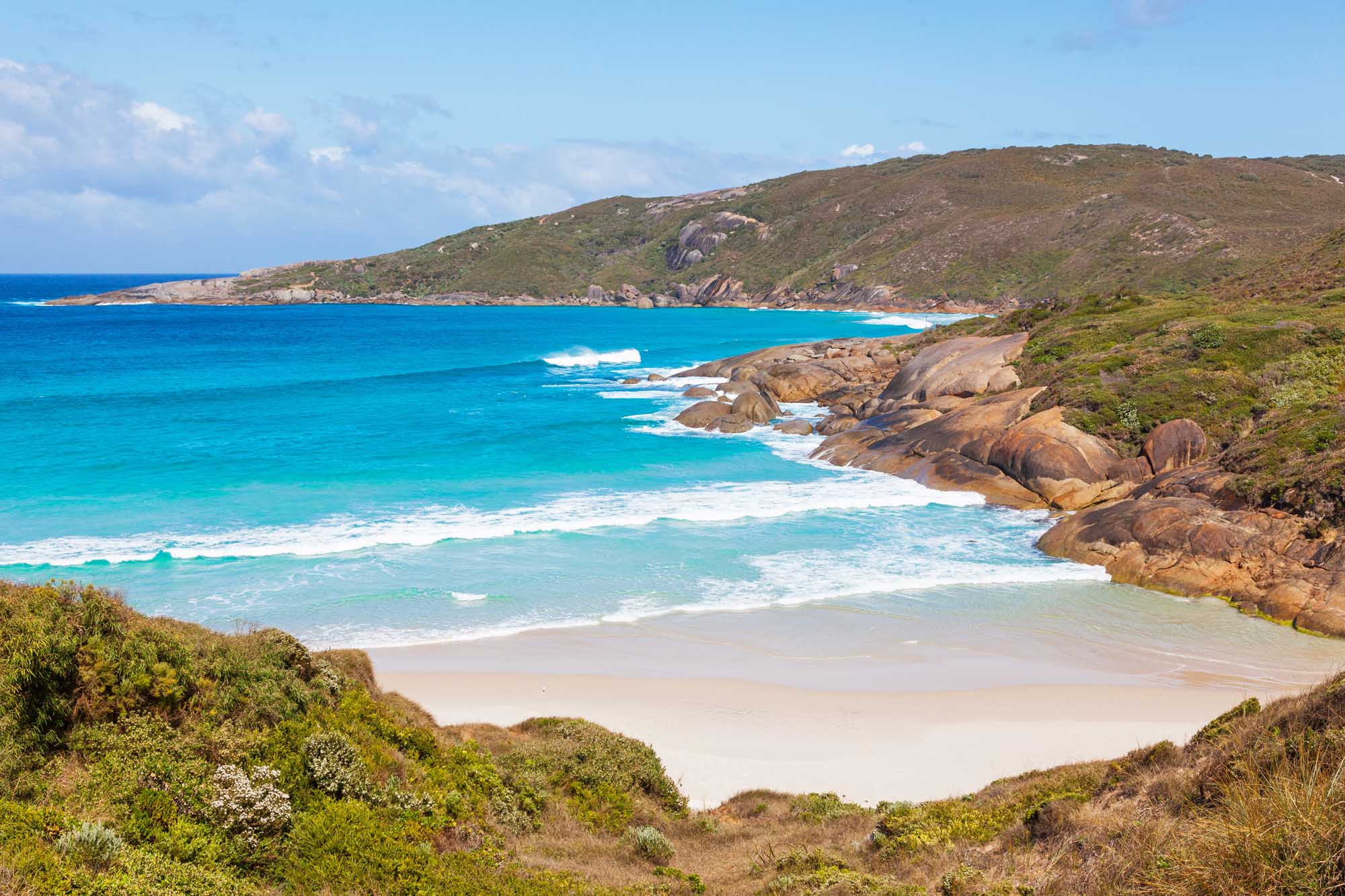
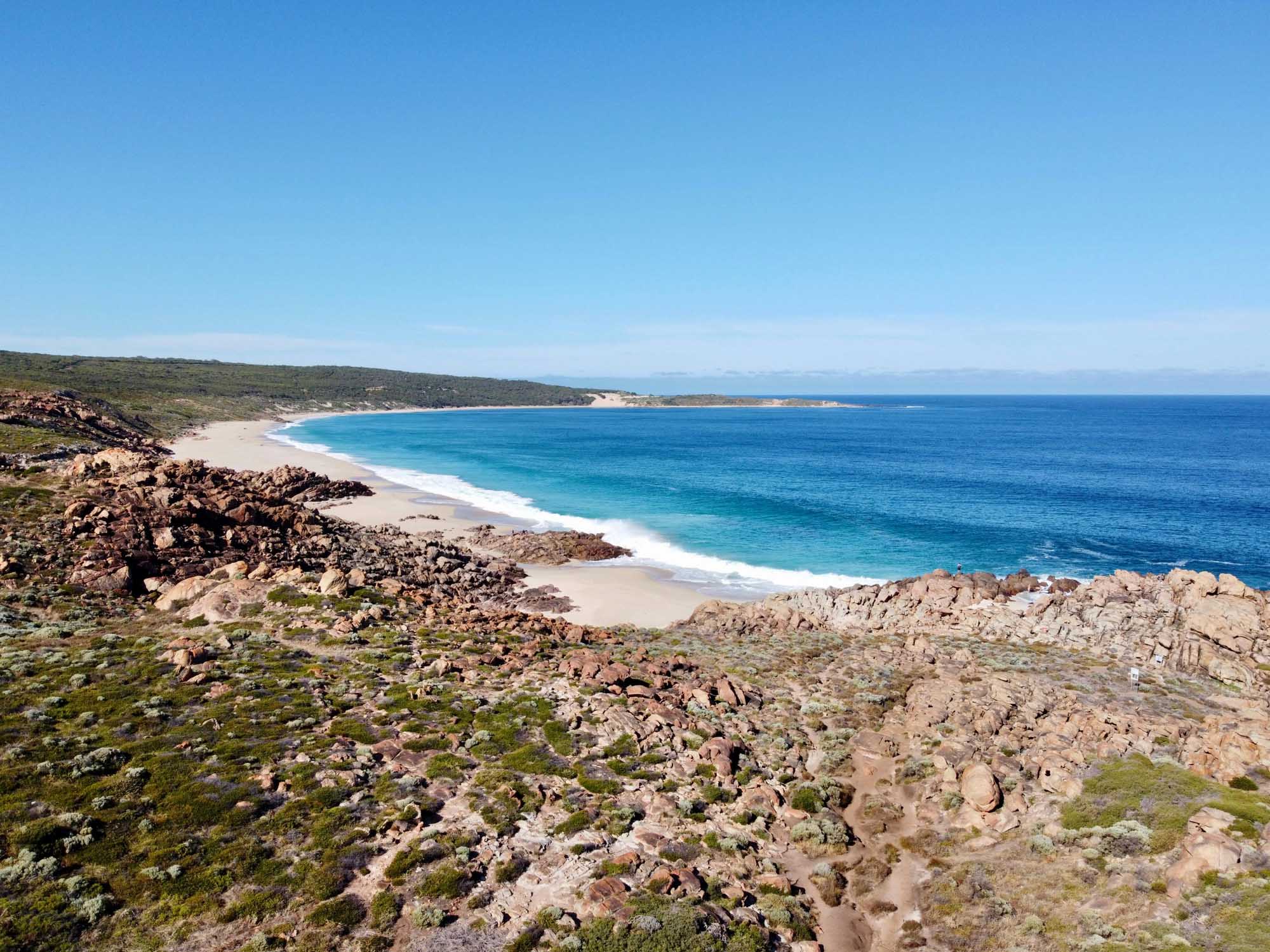
Then it’s several hours to Esperance. After settling in and lunch at a local cafe, the afternoon drive heads west to the Rotary Lookout and Twilight Cove – a long, sweeping coastline with stunning surf beaches and islands dotting the horizon. Evening meal at a nearby restaurant.
Trade tip: The Kukenarup memorial is handled respectfully and provides an honest counterpoint to the colonial history explored elsewhere. International clients increasingly value authentic cultural encounters that don’t shy away from difficult history. The drive to Esperance is long but the landscape keeps shifting.
Cape Le Grand, Frenchmen’s Peak & Lucky Bay
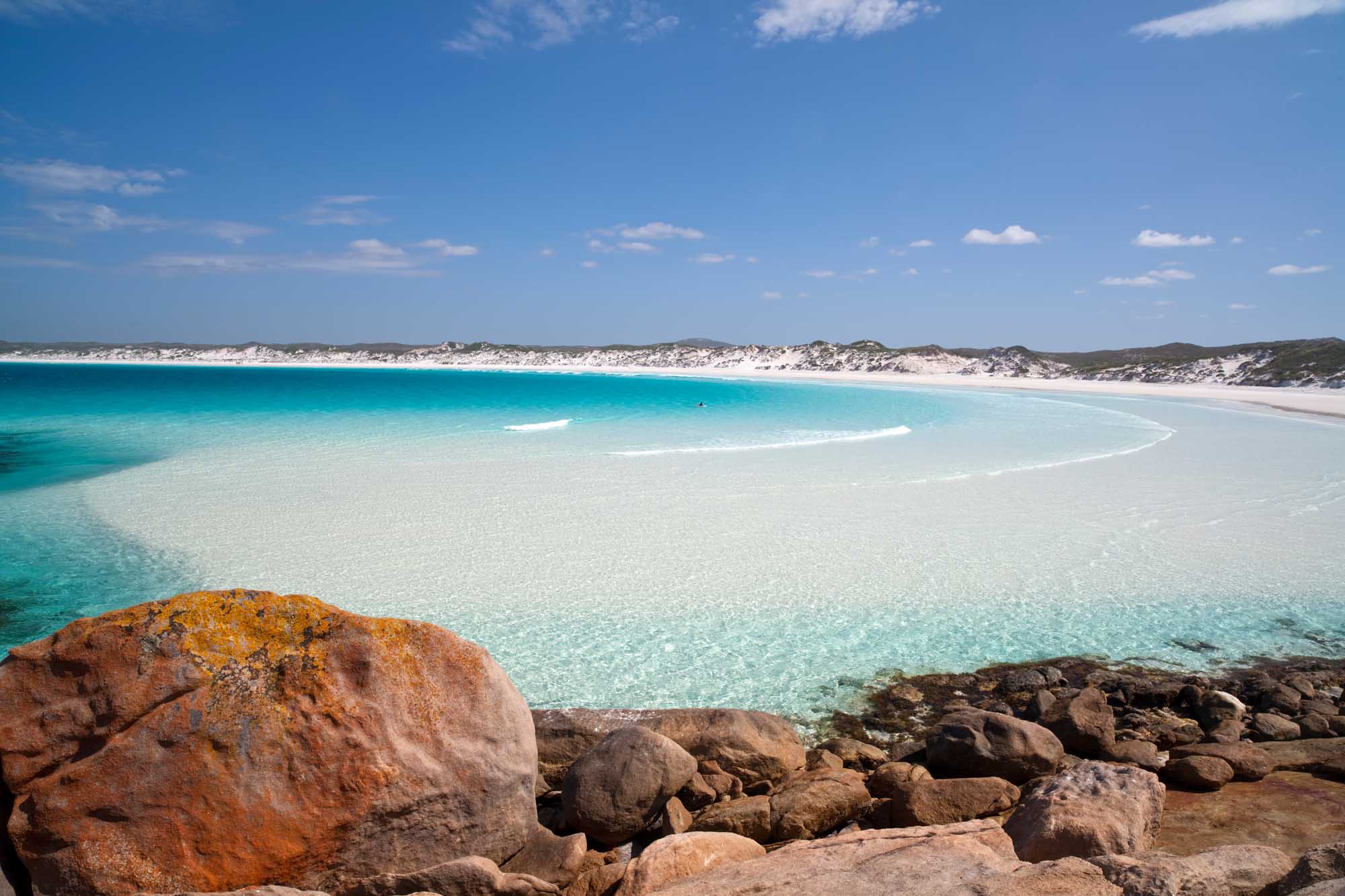
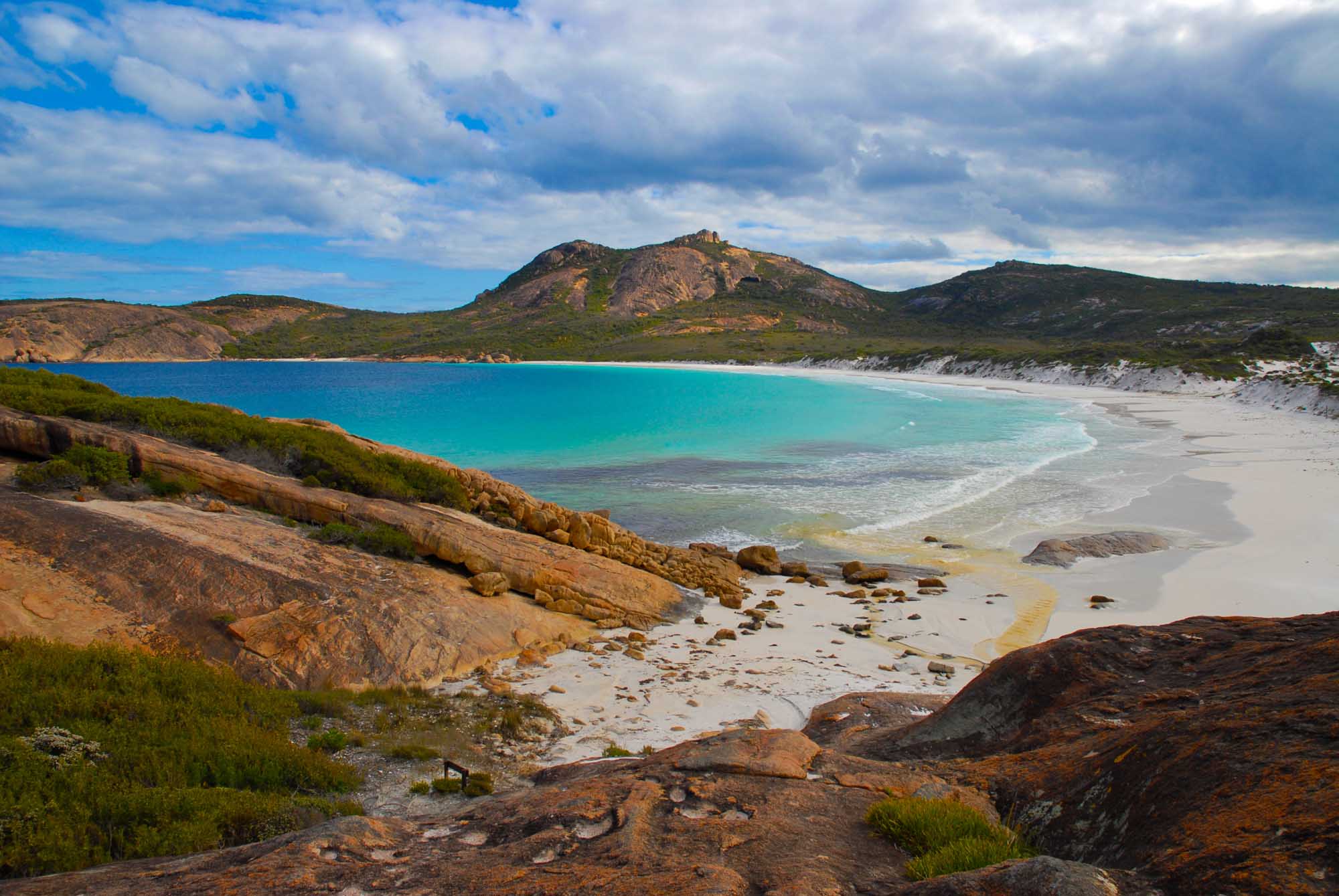
An 8.30am departure for what many guests will call the highlight of the trip. The drive out to Frenchmen’s Peak, Cape Le Grand, and Lucky Bay delivers some of the most jaw-dropping coastal scenery in Australia. White sand so fine it squeaks underfoot. Water so turquoise it looks photoshopped. And yes, the kangaroos really do sit on the beach.
The morning is spent soaking it in before heading back to Esperance for lunch at Lucky Bay Brewery on the foreshore. The afternoon includes a visit to a local farming property for a chat with the locals – a window into regional life that organised tours rarely offer. Back in Esperance, some free time before an evening sundowner and meal.
Trade tip: Lucky Bay and Cape Le Grand are the images that sell Western Australia to international markets. If your clients have seen those famous beach-kangaroo photos, this is where they were taken. The farming property visit adds a dimension that differentiates this from a standard day tour.
Back through Ravensthorpe to Newdegate & the Silo Art Trail
The return journey heads back through Ravensthorpe for morning tea, another visit to the Visitor Centre and Museum, and a chance to chat with locals. Then onward to Lake King for lunch at the Lake King Tavern.
After lunch, the route continues to Newdegate where the massive painted wildlife artwork on the wheat silos – part of the FORM Public Silo Art Trail – makes for compelling photography. These large-scale murals have transformed quiet agricultural towns into open-air galleries, and the Newdegate silos are among the most striking.
The final stage passes through the old township of Lake Biddy before arriving at Hyden and the Wave Rock Resort for two nights.
Trade tip: The FORM Public Silo Art Trail is a phenomenon that’s put small Western Australian towns on the cultural map. International clients are often surprised to encounter world-class public art in the middle of wheat country. It makes for brilliant social media content and genuinely delights travellers who weren’t expecting it.
Wave Rock, Hippo’s Yawn & Mulka’s Cave
Breakfast at 7.30am, then a refreshing early morning walk to Wave Rock – the 15-metre-high, 110-metre-long granite formation that looks exactly like a breaking ocean wave frozen in stone. Nearby, Hippo’s Yawn is another striking rock formation. Morning tea at the Bush Cafe.
Next comes the Humps and Mulka’s Cave, where guests learn about the Aboriginal legend of forbidden love between skin groups. A visit to a “gnamma hole” – a man-made cavity used by Indigenous peoples to store rainwater – provides insight into the ingenuity of living in this landscape for thousands of years.
Lunch at the Wildlife Centre and Museum in Wave Rock, then time to take in the formation at leisure before afternoon refreshments. A sundowner by the lake rounds out the day before dinner at the Hyden Hotel.
Trade tip: Wave Rock is an iconic Australian landmark that most international travellers recognise from photographs but few actually visit. It’s one of those places where the reality matches the image. The Indigenous cultural context at Mulka’s Cave adds genuine depth beyond the geology.
Tin Horse Highway, Lake Grace & Walkers Hill Vineyard
Departing at 8.30am, the route heads to Kondinin and then Kulin for morning tea at “Acres of Taste,” followed by a tour along the famous Tin Horse Highway – a quirky rural art trail of homemade tin horse sculptures lining the roadside – and the nearby site of the Kulin Bush Races.
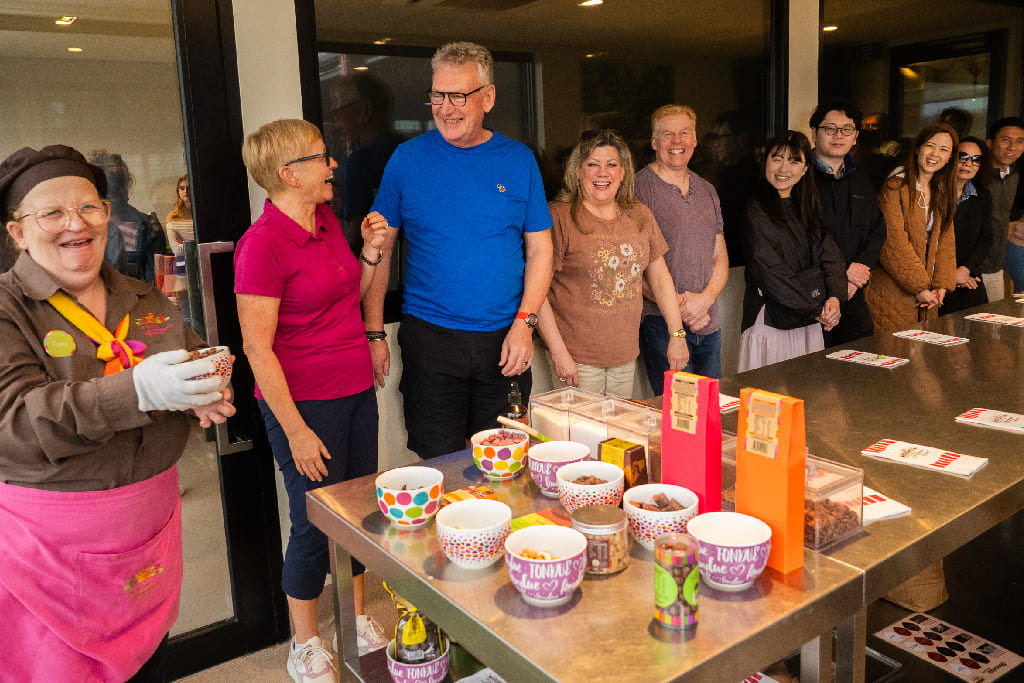
A visit to a conservation area on a nearby lake precedes lunch and wine tastings at Walkers Hill Vineyard in Lake Grace – Australia’s most inland winery, where shiraz and chardonnay grapes have somehow flourished. After a stop at the Lake Grace Visitor Centre and Inland Mission, the journey continues to Pingrup for more FORM Public Silo Art Trail photography.
Next stop is the Nyabing “Hub” for afternoon refreshments, followed by Badgebup to see how the local Indigenous Ranger programme is progressing. The day ends in Katanning for two nights at the Premier Mill Hotel – a beautifully converted roller flour mill refurbished into modern accommodation. Sundowners at the downstairs Cordial Bar before dinner at the Royal Exchange Hotel.
Trade tip: The Premier Mill Hotel in Katanning is a genuine surprise – heritage industrial architecture converted into stylish accommodation with a restaurant and bar. It’s a tour favourite. The Tin Horse Highway is the kind of eccentric, only-in-Australia experience that international clients absolutely love and can’t get anywhere else.
Katanning History, Broomehill’s Holland Track & Kojonup
An 8.30am start with a local historian revealing the secrets of Katanning – the personalities who developed the railway and opened up the hinterland for sheep and cropping. Then on to Broomehill, famous for John Holland and his team who in April 1893 carried meagre supplies on horseback through harsh terrain to cut a shorter route for gold seekers heading to the new discoveries in the outback.
Morning tea at the historic Henry Jones Cafe in Broomehill, with enthralling stories about Holland and the prospectors who trekked over 533 kilometres to the newly discovered goldfields in Coolgardie and Kalgoorlie. Guests walk the town looking at remnants of the early prospectors.
Back in Katanning, the group meets local community leader Alep at “The Daily Grind” for a Malay cuisine lunch and learns about modern multicultural Australia – reflected in the celebration of Islamic culture and the opening of a local Mosque. The afternoon takes in Kojonup for tea at Kodja Place, viewing the old barracks, the spring, and learning about Brigadier Potts and the Kokoda Track of WWII. At Kodja Place, Indigenous and settler handcrafted tools are on display, with billy tea and damper, a chat with local Indigenous person “Billy,” and wine and cheese tastings. Back to Katanning for sundowners at the Cordial Bar.
Trade tip: This day is remarkably layered. Gold rush history, Indigenous heritage, multicultural Australia, WWII connections, and regional hospitality – all in one day. Clients from every market find something that resonates. The Malay lunch in a rural Western Australian town is the kind of unexpected detail that makes this itinerary stand apart.
Dumbleyung, Wagin, York & Northam
Departing at 8.30am for Dumbleyung to learn about Donald Campbell’s world water speed record attempts on the lake, then a visit to Wuddi Tours Indigenous shop and a short tour of local cultural sites and bush garden if time permits.
Through wheat and sheep country to Wagin to visit “Bart” the massive sheep sculpture – a tribute to the Wheatbelt’s pastoral heritage where millions of sheep have grazed since the early settlement days of the 1800s, with wool fetching record prices in Britain during the Industrial Revolution and the wool boom of the 1950s.
The route continues through Narrogin, Pingelly, and the famous Nicky Winmar country, then along the Great Southern Highway and the Avon River Valley to the historic town of York for lunch and an afternoon walk around the heritage buildings. York is set either side of the Avon River, famous for its annual Avon Descent. The final night is spent at the Farmers Home Hotel in Northam – a beautifully restored hotel in the centre of town.
Trade tip: York is one of Western Australia’s best-preserved heritage towns and a strong addition to any itinerary. The drive through the Avon Valley gives international clients a feel for the pastoral landscape that shaped Australia’s early economy. For clients who know Australian Rules football, the Nicky Winmar connection adds another cultural thread.
Noongar Culture, Swan Valley & the Rose and Crown
Final day. An 8.30am start visiting the Bilya Koort Boodja Centre for Noongar Culture and Environmental Knowledge, situated right on the Avon River in Northam. It’s a fitting final cultural encounter – connecting the Indigenous thread that has run through the entire 12-day journey.
From here, the tour travels through the Swan Valley wine region with a fine dining experience before a visit to the famous Rose and Crown hotel in Guildford – one of the oldest pubs in Western Australia. The tour concludes back in the Perth area, with guests transferred to their accommodation or the airport.
Trade tip: We recommend booking clients at least one night in Perth post-tour to decompress. The Swan Valley finish gives the itinerary an upbeat ending rather than a long transfer. This tour pairs naturally with pre-tour time in Margaret River (the starting point) or post-tour extensions to Perth, Rottnest Island, or onward flights to the east coast. We can build complete Australian itineraries around this product.
WHAT’S INCLUDED