Cape York Peninsula & Torres Strait Islands
Cape York is one of Australia’s last great wilderness frontiers. The peninsula stretches from Cairns to the northernmost point of the Australian mainland – a vast, sparsely populated expanse of tropical rainforest, red-dirt savannah, river crossings, and ancient Indigenous culture that remains remarkably difficult to access outside the dry season. Most travellers never make it past the Daintree. This tour goes all the way.
The Cape York & Torres Strait itinerary is an 11-day overland journey by luxury 4WD coach, departing Cairns and travelling north through the Daintree, Cooktown, Weipa, and Bamaga to the Tip of Cape York – then crossing the Endeavour Strait to Thursday Island and Horn Island in the Torres Strait. It’s guided throughout by a Savannah Guides Operator, with 10 nights of en suite accommodation, all meals, and a return flight from Horn Island to Cairns. For travel agents seeking something genuinely off the beaten track for their clients, this is it.
COMPLETE ITINERARY
Your Cape York & Torres Strait Expedition – Day by Day
Welcome to Cairns
The adventure begins at Rydges Esplanade in Cairns. Guests check in from 2.00pm and settle in before a Welcome Dinner that evening, where they’ll meet fellow travellers and receive a comprehensive tour orientation from the Savannah Guides Operator driver and host. It’s a relaxed start – good food, a proper briefing on what lies ahead, and a chance to get acquainted before the road takes over.
Cairns is the natural gateway to Far North Queensland and most international clients will arrive via domestic connections from Sydney, Melbourne, or Brisbane. For those arriving early, there’s the option of a day trip to the Great Barrier Reef or a visit to the Tjapukai Aboriginal Cultural Park.
Trade tip: We recommend clients arrive a day early if flying in from interstate or international origins. Jet lag and tight connections don’t mix well with an early departure the next morning. Pre-tour accommodation in Cairns is easy to arrange through our booking platforms.
Daintree Rainforest & the Bloomfield Track to Cooktown
The first driving day is a stunner. The route heads north along one of Australia’s most scenic coastal drives to Mossman, then crosses the Daintree River by cable ferry into the World Heritage-Listed Daintree Rainforest. A guided tour of the Daintree Discovery Centre – an award-winning interpretive facility – provides context on what is one of the oldest continuously surviving rainforests on earth.
From there, the 4WD coach follows the Bloomfield Track, a spectacular route hugging the Daintree Coast with creek crossings and canopy views that most travellers only ever see in photographs. There’s a stop at the Bana Yirriji Art and Cultural Centre in Wujal Wujal, a small coastal Aboriginal community on the banks of the Bloomfield River.
Two nights are spent in Cooktown at the River of Gold Motel.
Trade tip: The Bloomfield Track requires a 4WD vehicle, which is exactly why this tour uses a purpose-built luxury 4WD coach. It’s a section of road that most self-drive visitors can’t access. That exclusivity is a genuine selling point for your clients.
Cooktown History & Heritage
A full day discovering Cooktown’s layered history. The tour visits the Cooktown Cemetery with the intriguing story of the “Normanby Woman” – a fair-skinned woman sighted living with Aboriginal people in the 1800s. Then on to the James Cook Museum, housed in a magnificent 19th Century Sisters of Mercy Convent, for an in-depth look at the grounding of the Endeavour and the most significant land-based stay of Captain Cook’s east coast expedition.
The heritage-listed Cooktown Botanic Gardens follow, including the Vera Scarth-Johnson collection of original regional botanical illustrations. There’s free time to wander downtown Cooktown before a late afternoon drive up Grassy Hill for 360-degree views of the Endeavour River, the town, and the Great Barrier Reef in the distance.
Trade tip: Cooktown punches well above its weight for history buffs. The Cook connection is obviously the headline, but the broader story of this town – gold rush, frontier settlement, Aboriginal contact history – gives it real depth. Two nights here is the right amount of time.
Black Mountains, Quinkan Rock Art & the Peninsula Road
The route heads inland through Lakeland and Laura via the mysterious Black Mountains – a special story place for the Kuku Yalanji people. These dark boulder piles rising from the landscape are genuinely eerie and photograph well.
The highlight of the day is the Quinkan Rock Art Galleries near Laura, considered some of the most significant Aboriginal art sites in the world. An Indigenous guided tour of the Split Rock Galleries reveals paintings of Quinkans – spirit figures from the Dreamtime – along with depictions of animals, ceremonies, and contact history. The art spans thousands of years and the guided interpretation brings it to life.
The afternoon continues along the Peninsula Developmental Road, stopping at the Hann River Roadhouse before arriving at Musgrave Roadhouse for the night.
Trade tip: The Quinkan rock art is genuinely world-class, comparable in significance to sites in Kakadu and the Kimberley. For clients interested in Indigenous culture and ancient art, this day alone justifies the trip. The Indigenous-led guiding makes all the difference.
Peninsula Developmental Road to Weipa
A proper outback driving day along the Peninsula Development Road through Coen – an old mining community originally created around a repeater station on the Overland Telegraph Line. The landscape shifts here. Red dirt, open savannah, and the feeling of moving deeper into country that very few people ever see.
Lunch is at the Archer River Roadhouse, located on the banks of the crystal-clear Archer River and famous for its massive Archer Burger. It’s an institution.
The day ends in Weipa, the barramundi fishing capital of Queensland. Originally an Aboriginal mission, Weipa grew into a township after the discovery of bauxite. Two nights at Albatross Bay Resort with sweeping views across the bay.
Trade tip: Weipa is a name most international clients won’t know, but the combination of remote outback township, mining heritage, and Gulf of Carpentaria coastline makes for something unexpected. The accommodation here is comfortable and the setting is dramatic – sunsets over the Gulf are spectacular.
Bauxite Mine Tour & Gulf Eco Cruise
The morning is spent touring the world’s largest bauxite mine, operated by Rio Tinto. Guests get up close to the 190-tonne Belly Dumper Haul trucks while touring the working mine site and following the rail and conveyor belt system as the bauxite makes its way to the loading dock. It’s industrial tourism done well – impressive in scale and surprisingly fascinating.
The afternoon shifts to nature with an Eco Cruise on the Gulf of Carpentaria. Local birdlife and crocodiles are the draw, along with drinks, nibbles, and commentary on the incredible ecosystems and local culture. The cruise finishes with sunset – one of the few places in Queensland where the sun sets over the ocean to the west.
Trade tip: The contrast between the morning’s industrial scale and the afternoon’s natural beauty works brilliantly. The Gulf sunset cruise is one of those quiet, memorable moments that clients mention when they get home. Don’t undersell it.
Old Telegraph Track, Fruit Bat Falls & Jardine River Crossing
Today follows the Old Telegraph Track to Moreton Telegraph Station on the banks of the Wenlock River – part of the historic Overland Telegraph Line, completed in 1887 and operational until 1987. The country changes as the route heads north, with giant termite mounds dotting the open plains of Heathlands Resources Reserve.
The standout moment of the day is Fruit Bat Falls – crystal-clear, crocodile-free water cascading through lush tropical surrounds. It’s one of the most special swimming spots on the Cape and a welcome break from the road.
The Jardine River is crossed by cable ferry, and the day ends in Bamaga, the closest settlement to the Tip of Australia. Two nights at Cape York Peninsula Lodge with dinner overlooking tropical gardens.
Trade tip: Fruit Bat Falls is the kind of place that makes clients feel like they’ve found something hidden. Safe swimming in the Cape York wilderness is rare, and this spot delivers. The Jardine River crossing by cable ferry adds to the sense of entering genuinely remote country.
The Tip of Cape York & Sommerset Beach
This is the bucket-list day. The drive to Pajinka is followed by a 45-60 minute walk over rocky headland to the very Tip of Cape York – the northernmost point of the Australian mainland. The walk requires a good level of fitness, but the reward is standing at the edge of a continent with nothing but ocean, islands, and Torres Strait between you and Papua New Guinea.
A picnic lunch on Sommerset Beach follows, with breathtaking views to Albany Island. Then a visit to the iconic Croc Tent before free time back at the lodge.
Trade tip: The walk to the Tip is the emotional high point of the tour for most clients. It’s the kind of achievement people frame a photo of. Make sure clients understand the fitness requirement – the terrain is uneven and rocky – but for those who can manage it, this is genuinely unforgettable. The 45-60 minute timeframe is each way.
Thursday Island, Kazu Pearl Farm & Friday Island
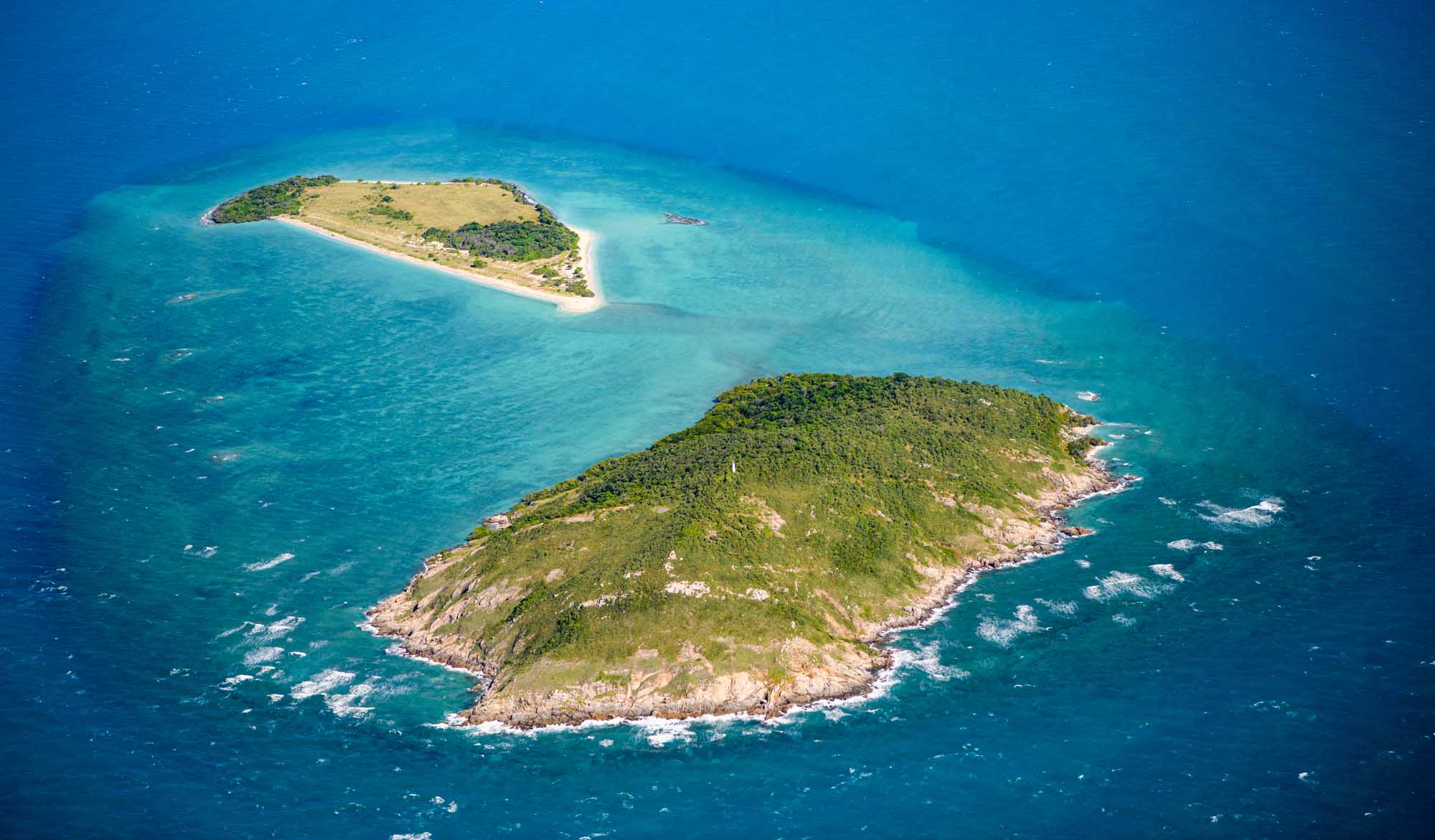
A complete change of pace. The tour crosses the Endeavour Strait by boat to Thursday Island – one of 274 islands lying between the northern tip of Queensland and Papua New Guinea. A guided history tour covers Thursday Island’s hidden past, including Green Hill Fort.
Then it’s across to Friday Island for a tour of the Kazu Pearl Farm. A Japanese seafood lunch is followed by a demonstration on the cultivation, seeding, and harvesting of pearls – genuinely interesting even for clients who wouldn’t normally seek out this kind of experience. There’s time to browse the Pearl Farm Shop before returning to Thursday Island.
Late afternoon, a ferry transfers guests to Horn Island. Overnight at Gateway Torres Strait Resort.
Trade tip: The Torres Strait Islands feel like a different country. The cultural shift from mainland Australia is palpable – Melanesian influences, pearling history, WWII heritage. The Kazu Pearl Farm is a highlight that surprises people. This part of the itinerary gives the tour a dimension that no other Cape York product can match.
WWII History, Torres Strait Heritage & Flight to Cairns
The morning is spent with local guides touring Horn Island’s World War II sites – gun emplacements, an underground command post, and an aircraft wreck with a remarkable story behind it. Guests walk in the steps of the traditional owners, the Kaurareg People, and learn their stories. The Torres Strait Heritage Museum rounds out the cultural immersion.
An Asian buffet lunch on Horn Island, then transfer to Horn Island Airport for the QantasLink flight back to Cairns. That evening, a Farewell Dinner at the Coral Hedge Brasserie Restaurant & Bar brings the group together one last time.
Overnight at Rydges Esplanade, Cairns.
Trade tip: The WWII history on Horn Island is genuinely compelling and not widely known. The flight back to Cairns is included in the tour – it’s a one-way economy fare on QantasLink, so clients don’t need to worry about separate bookings. The Farewell Dinner is a nice way to close the loop.
Homeward Bound
The tour concludes after breakfast at Rydges Esplanade Resort. Clients make their own arrangements for connecting flights or rail onward.
Trade tip: We recommend building in at least one extra night in Cairns post-tour, particularly for international clients. After 10 days in remote Australia, a day to decompress – visit the Great Barrier Reef, explore the Atherton Tablelands, or simply relax – is a smart addition. We can arrange Cairns accommodation, reef day trips, and onward domestic or international flights. This itinerary pairs well with extensions to the Great Barrier Reef, the Daintree (for clients wanting more time), Uluru, or east coast city stays in Sydney and Melbourne.
WHAT’S INCLUDED