
Cradle Mountain-Lake St Clair, Tasmania
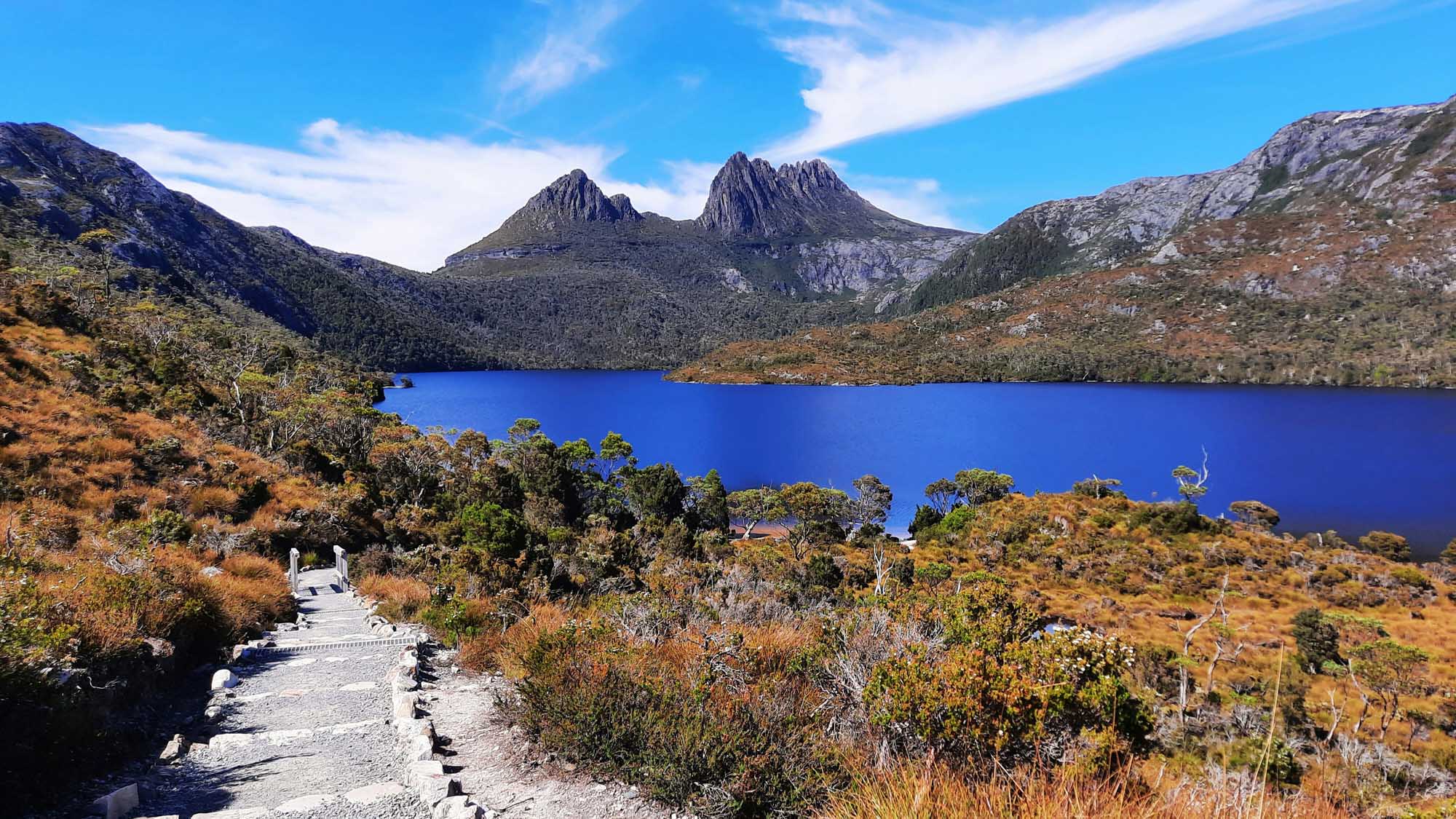
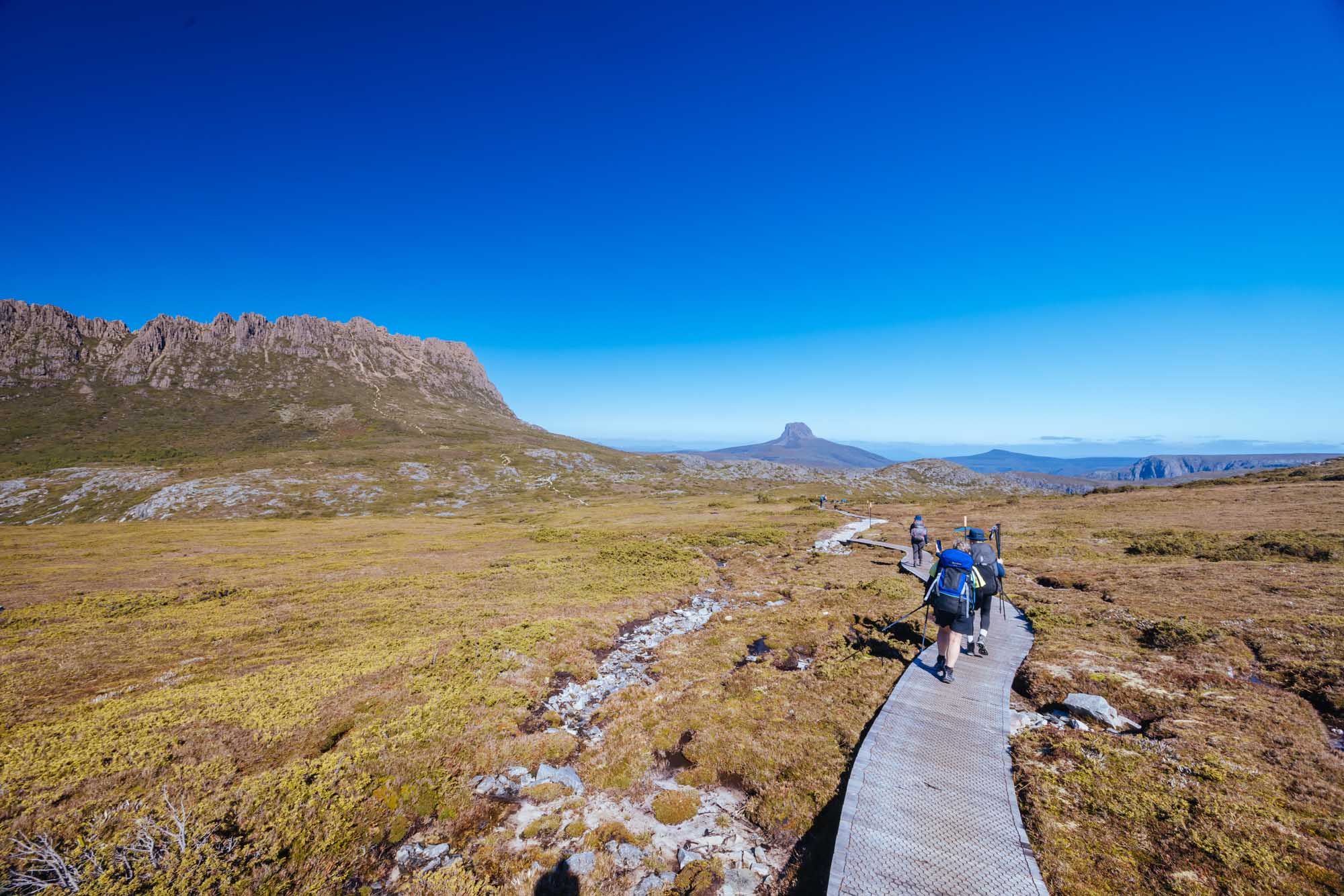
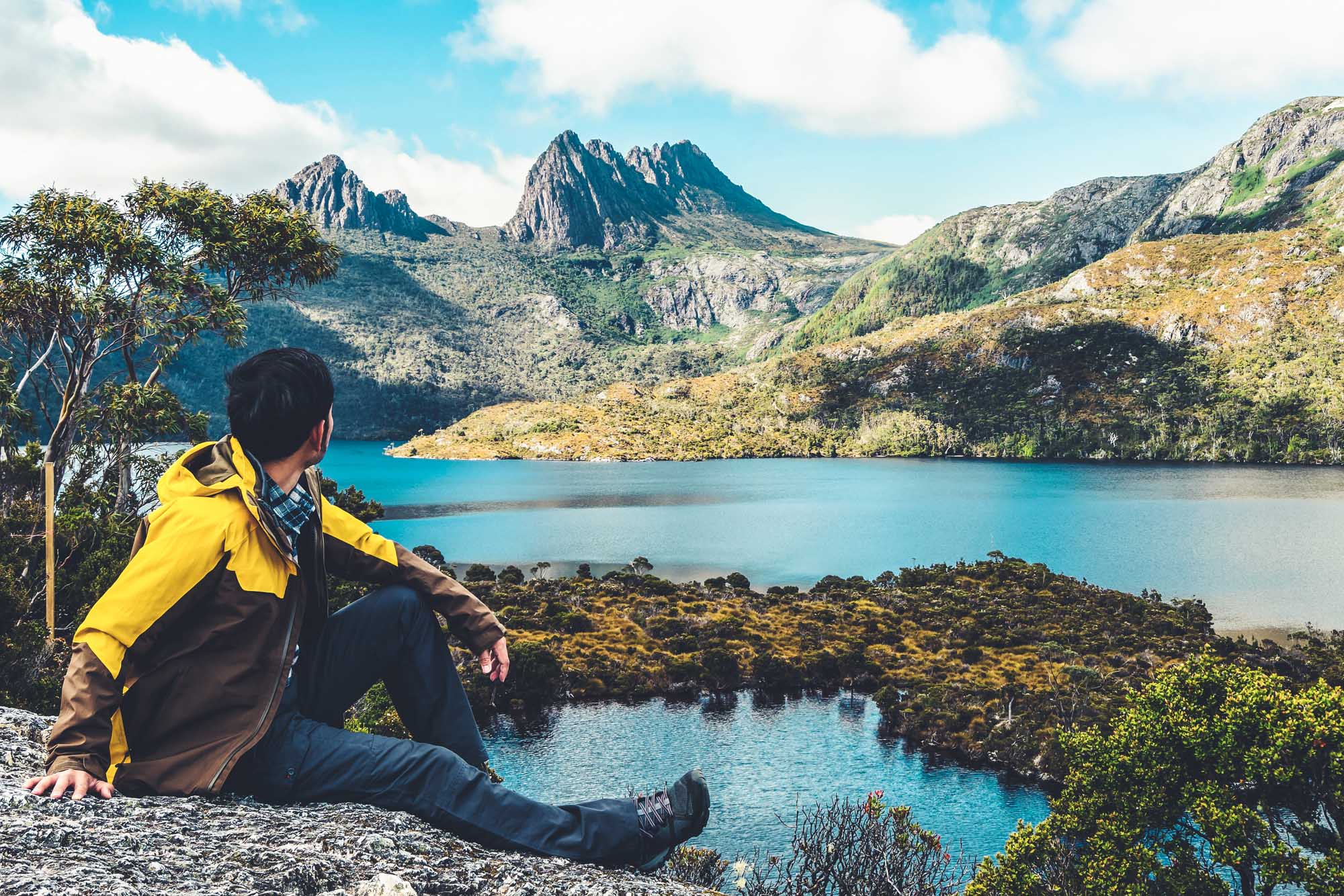
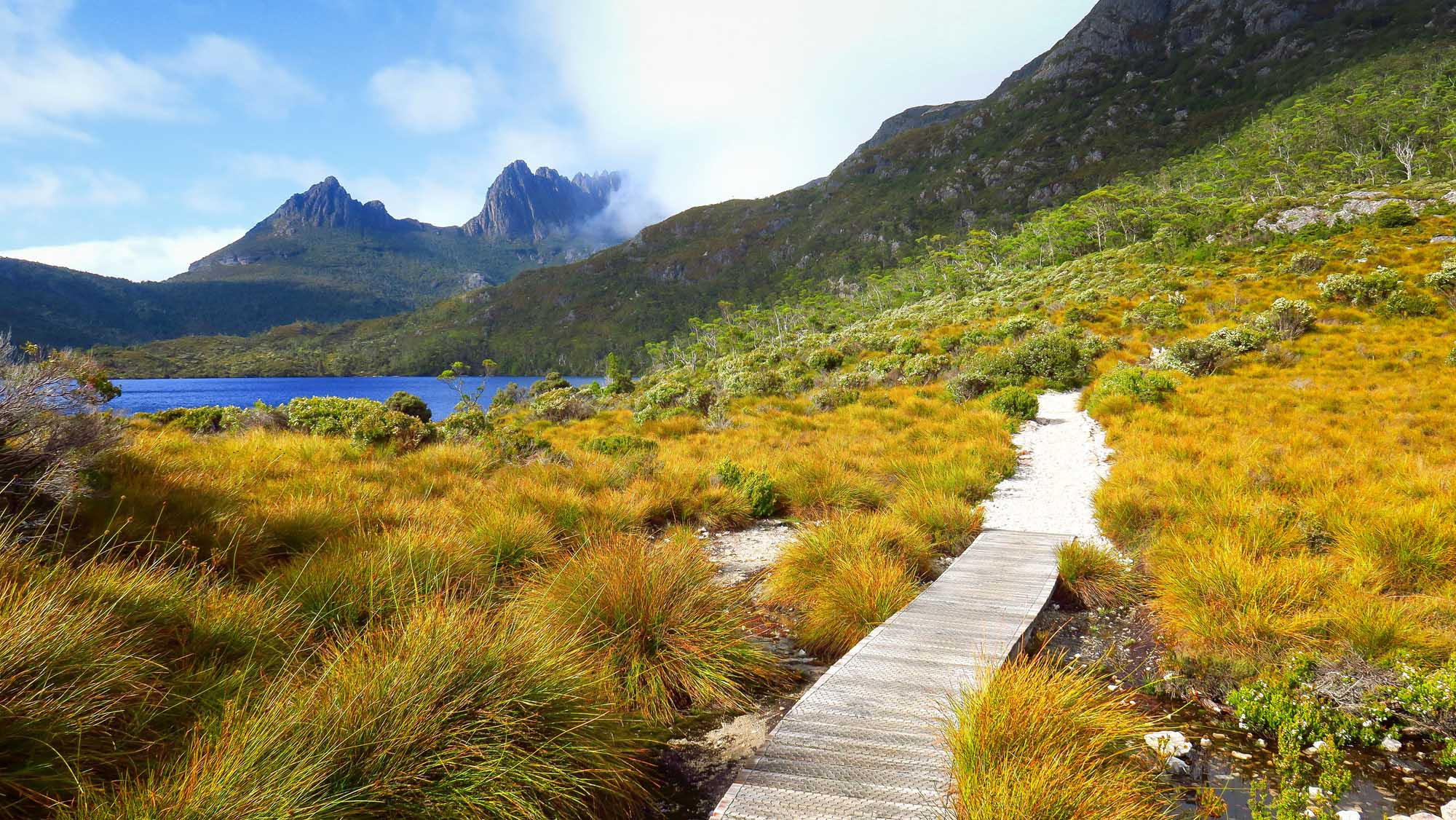
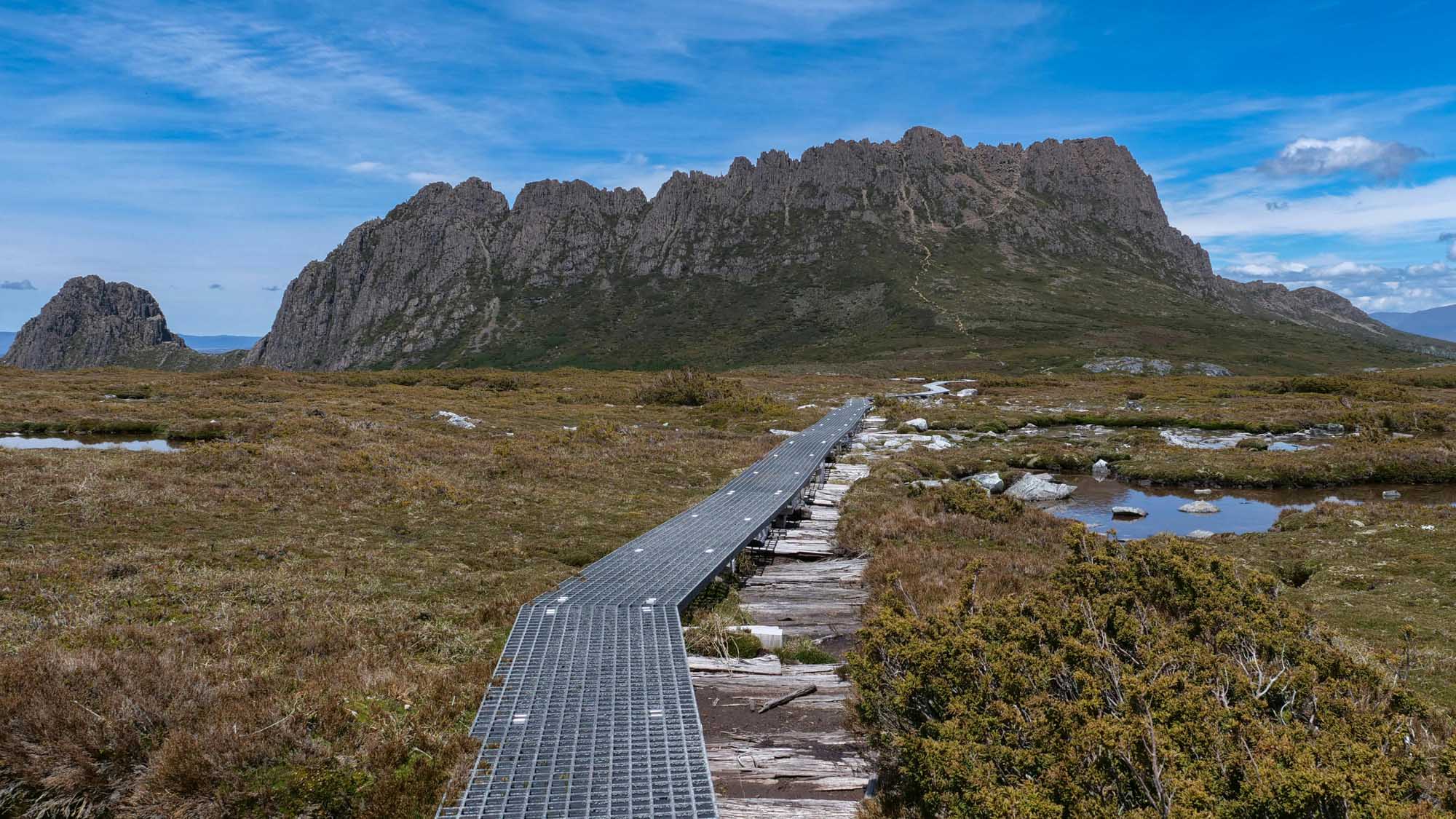
The Overland Track is Australia’s most celebrated multi-day walk. Stretching 65 kilometres through the Tasmanian Wilderness World Heritage Area, it threads between Cradle Mountain in the north and Lake St Clair in the south – passing through landscapes that feel ancient in a way few places on this continent can match. Gondwanan rainforest, button grass plains, glacial tarns, stands of pencil pines that have been growing for thousands of years. The air smells different down here.
This guided walking itinerary covers 6 days and 5 nights, staying in private eco-lodges set away from the public huts along the track. Guests walk with experienced guides who know the terrain, the flora, the wildlife, and the stories behind this landscape. It is not a roughing-it experience. The lodges are warm, the meals are excellent, and the wine is Tasmanian. Designed for travel agents building premium Australian itineraries where the natural world is the main event – not a backdrop.

COMPLETE ITINERARY
Your Overland Track Journey – Day by Day
Launceston to Cradle Mountain & Crater Lake Circuit
Guests are collected from Launceston and transferred to Cradle Mountain – roughly two and a half hours through rolling farmland and into the highlands. The landscape changes quickly. Green pastoral country gives way to dense forest, then opens out into the alpine environment that defines the national park.
After settling in at the first lodge, the afternoon walk takes in the Crater Lake circuit – a gentle introduction that loops through pencil pine forest and along the shores of a glacial lake. The guides set the pace and begin interpreting the landscape: the Gondwanan plant species, the geology, the wildlife to watch for. Dinner that evening features Tasmanian produce and local wines.
Trade tip: Most international clients fly into Launceston from Melbourne or Sydney. We can arrange pre-walk accommodation in Launceston or Cradle Mountain village for those arriving the day before. The transfer is scenic and worth doing in daylight.
Cradle Mountain Summit & Waterfall Valley
The big day. Weather permitting, guests tackle the summit of Cradle Mountain – 1,545 metres above sea level and the defining peak of the national park. The climb is challenging but not technical. Scrambling over dolerite boulders near the top, with views that stretch across the entire central highlands and beyond.
Not everyone needs to summit. There are alternative routes at lower elevation for those who prefer it, and the guides manage the group accordingly. The descent continues south to Waterfall Valley, where the lodge sits at the edge of a plateau dotted with waterfalls after rain. It is a long day but a rewarding one.
Trade tip: The Cradle Mountain summit is weather-dependent – cloud, wind, and ice can close the route. Guides make the call on the day. Brief clients on this in advance so expectations are set. Even without the summit, the walking on Day 2 is spectacular.
Lake Will, Forth Valley & Rainforest Walking
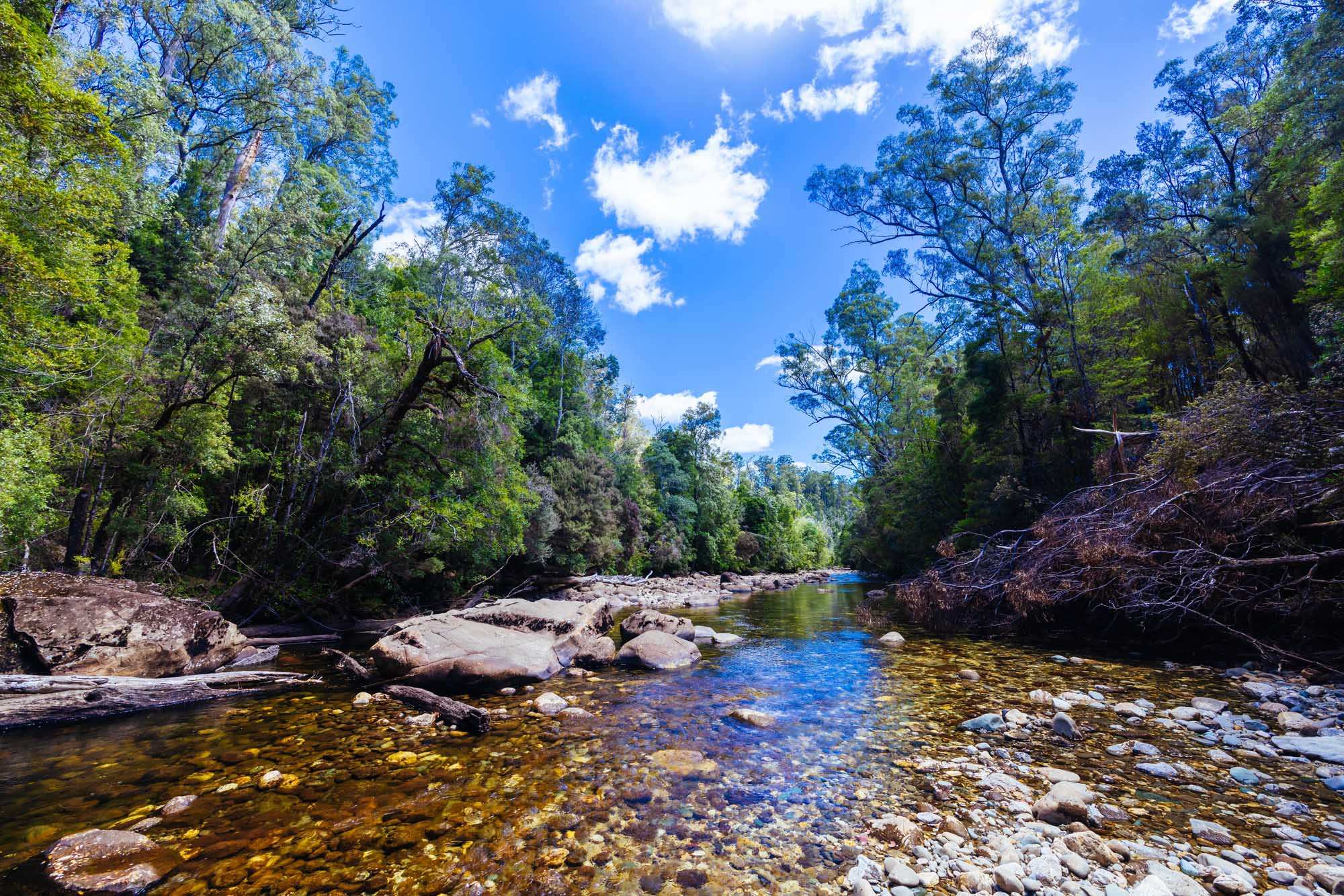
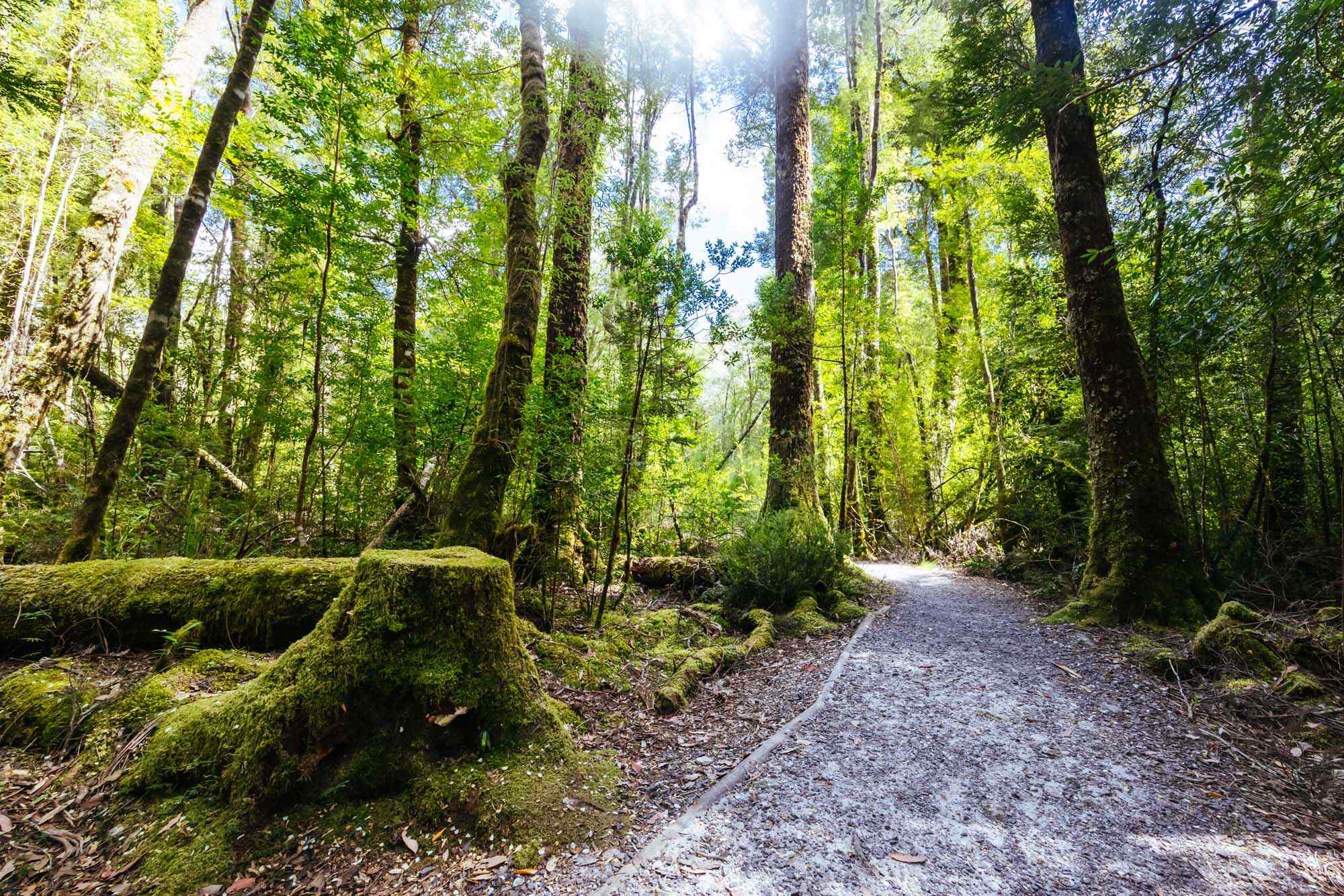
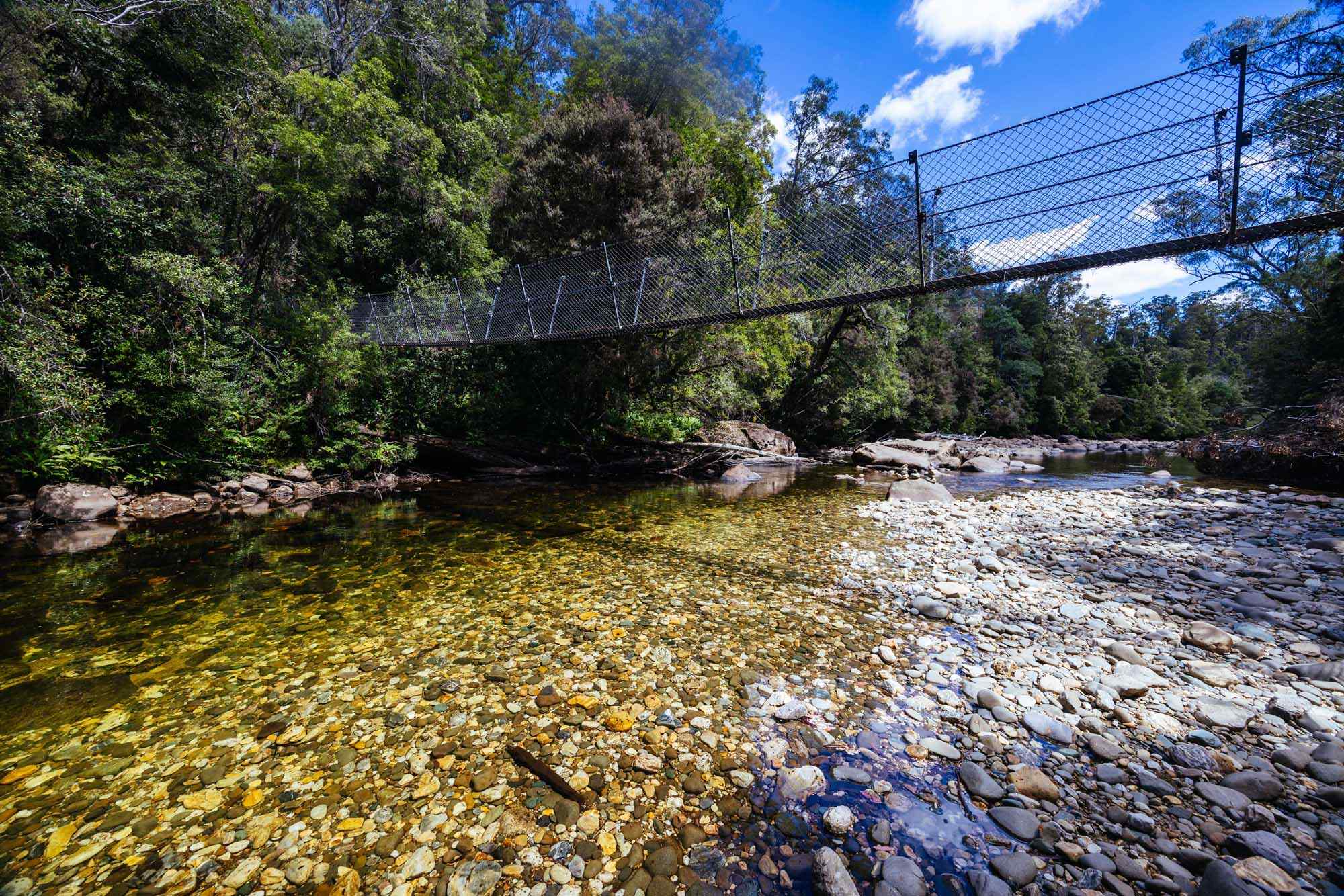
Day 3 drops into the Forth Valley, and the terrain shifts. Button grass moorland gives way to myrtle beech rainforest – dark, mossy, ancient. The track follows the Forth River through a landscape that feels almost primordial. An optional side trip to Lake Will adds a glacial tarn surrounded by pandani and King Billy pine to the day.
The walking is moderate. There is time to stop, look, listen. Platypus are sometimes spotted in the quieter waterways. Bennett’s wallabies graze at the edge of the forest. The guides are good at finding things most people would walk straight past.
Trade tip: This is the day that tends to surprise clients who came expecting alpine scenery. The rainforest sections are genuinely extraordinary – Gondwanan species that have been here for millions of years. Photographers should carry a macro lens.
Pelion Plains & Mount Oakleigh
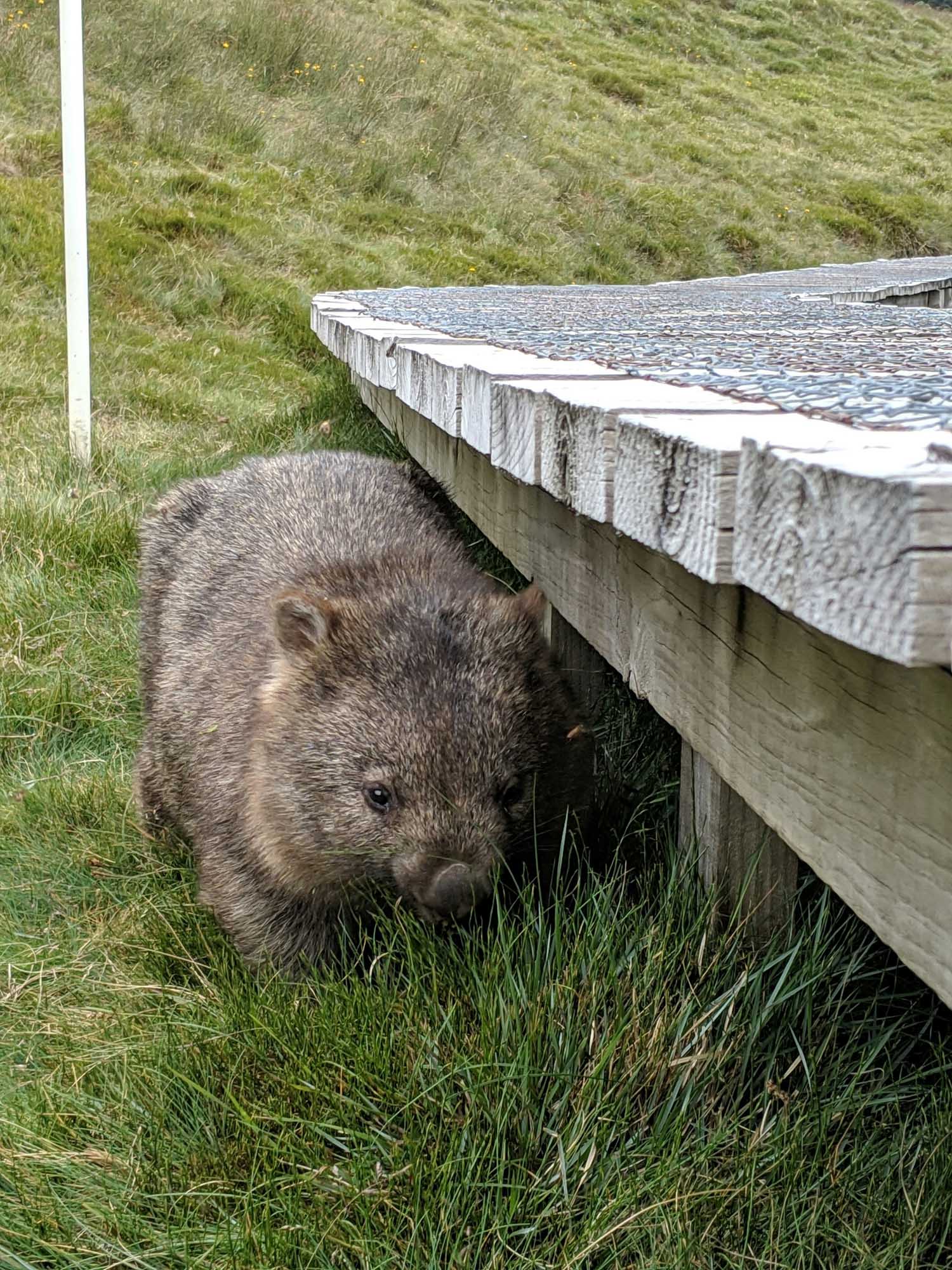
The track crosses the open grasslands of Pelion Plains, framed by the peaks of Mount Oakleigh and Mount Pelion West. This section is wide and expansive after the enclosed rainforest of the day before. Wombats are common here. Seriously common – this is one of the best places in Australia to see them in the wild, grazing openly on the plains.
An optional climb up Mount Oakleigh rewards with panoramic views of the Pelion Range and surrounding wilderness. The lodge is tucked at the edge of the plains, and the afternoon is free for exploring or simply sitting on the verandah watching the light change.
Trade tip: Pelion Plains is a highlight for wildlife encounters. Wombats, pademelons, and currawongs are practically guaranteed. For clients who care about wildlife but don’t want to rough it, this is the sweet spot – wild encounters with a warm lodge waiting.
Du Cane Range, Fergusson Falls & Hartnett Falls
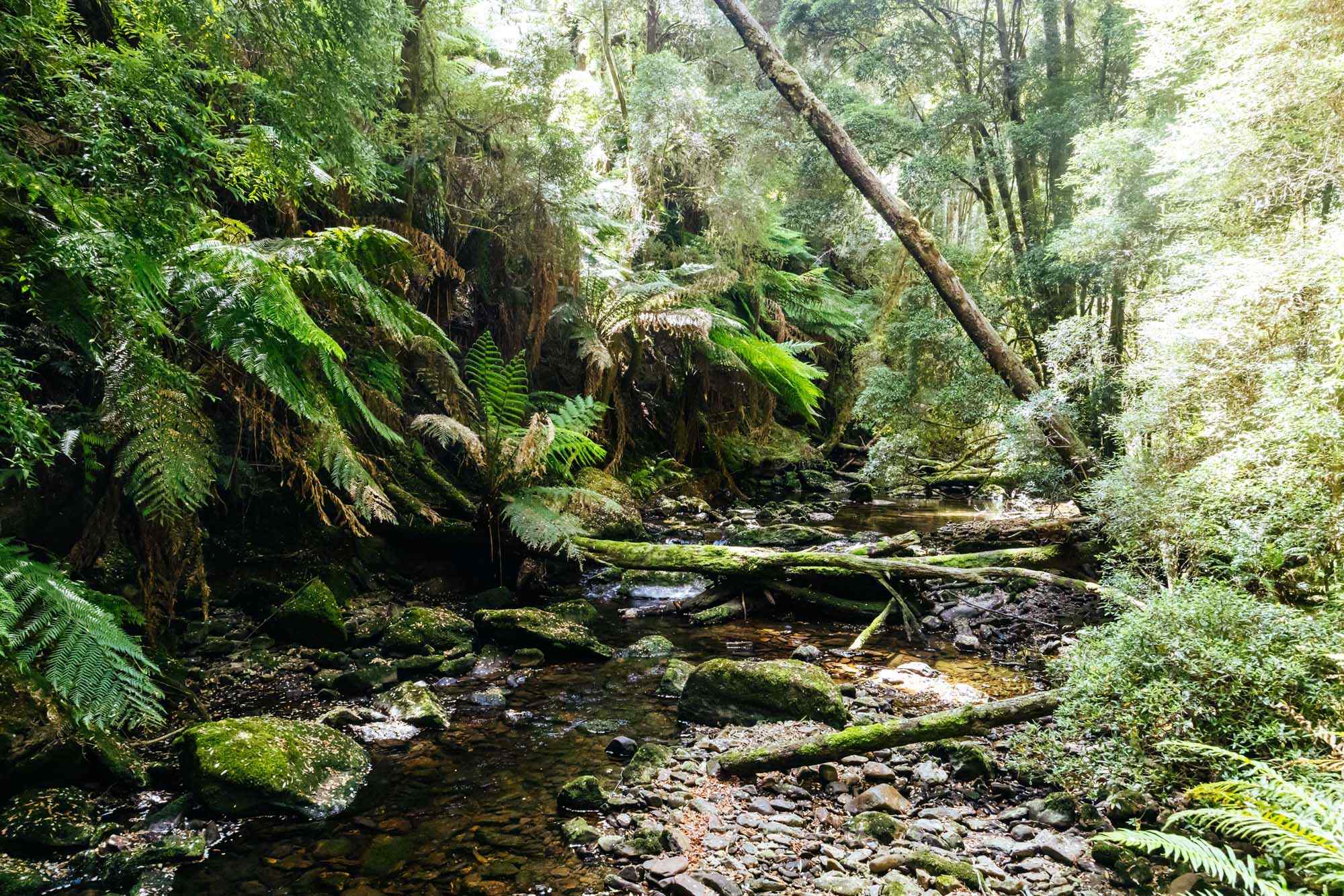
The most varied day of walking. The track climbs through the Du Cane Range and then descends through a series of spectacular waterfalls – Fergusson Falls and Hartnett Falls are the standouts, cascading through deep mossy gorges into pools below. Side tracks lead to additional falls for those with the energy.
The landscape oscillates between alpine heath, tall eucalypt forest, and temperate rainforest. Each transition happens abruptly. You walk from open sky into canopy within a few steps. The guides use this day to dig deeper into the ecology of the Tasmanian wilderness – the fire history, the threatened species, the ongoing conservation efforts.
Trade tip: Day 5 often ends up being the favourite for many walkers. The waterfalls are dramatic, and the variety of terrain keeps things interesting from start to finish. It is also the day where fitness matters – the Du Cane Range is the toughest section. Brief clients honestly about the physicality.
Narcissus River to Lake St Clair & Departure
The final day follows the Narcissus River south through tall forest to the shores of Lake St Clair – Australia’s deepest natural freshwater lake. The arrival at the lake is a quiet, reflective moment. Six days of walking through country that most of the world will never see, and it ends at a body of water that feels almost impossibly still.
A ferry crosses the lake to Cynthia Bay, where the walk officially ends. Guests are transferred to Hobart, arriving in time for dinner. The contrast between the wilderness of the track and the refinement of Hobart’s restaurant scene is jarring in the best way.
Trade tip: We strongly recommend at least two nights in Hobart post-walk. MONA, the Salamanca Market, Mount Wellington, and the city’s exceptional food and wine scene make a natural extension. We can also arrange day trips to the Tasman Peninsula, Bruny Island, or the Coal River Valley wine region. The Overland Track pairs beautifully with broader Tasmanian itineraries or east coast Australia programmes.
WHAT’S INCLUDED