THE PROGRAMME
How the Camp Works
Learning from the Oldest Living Culture
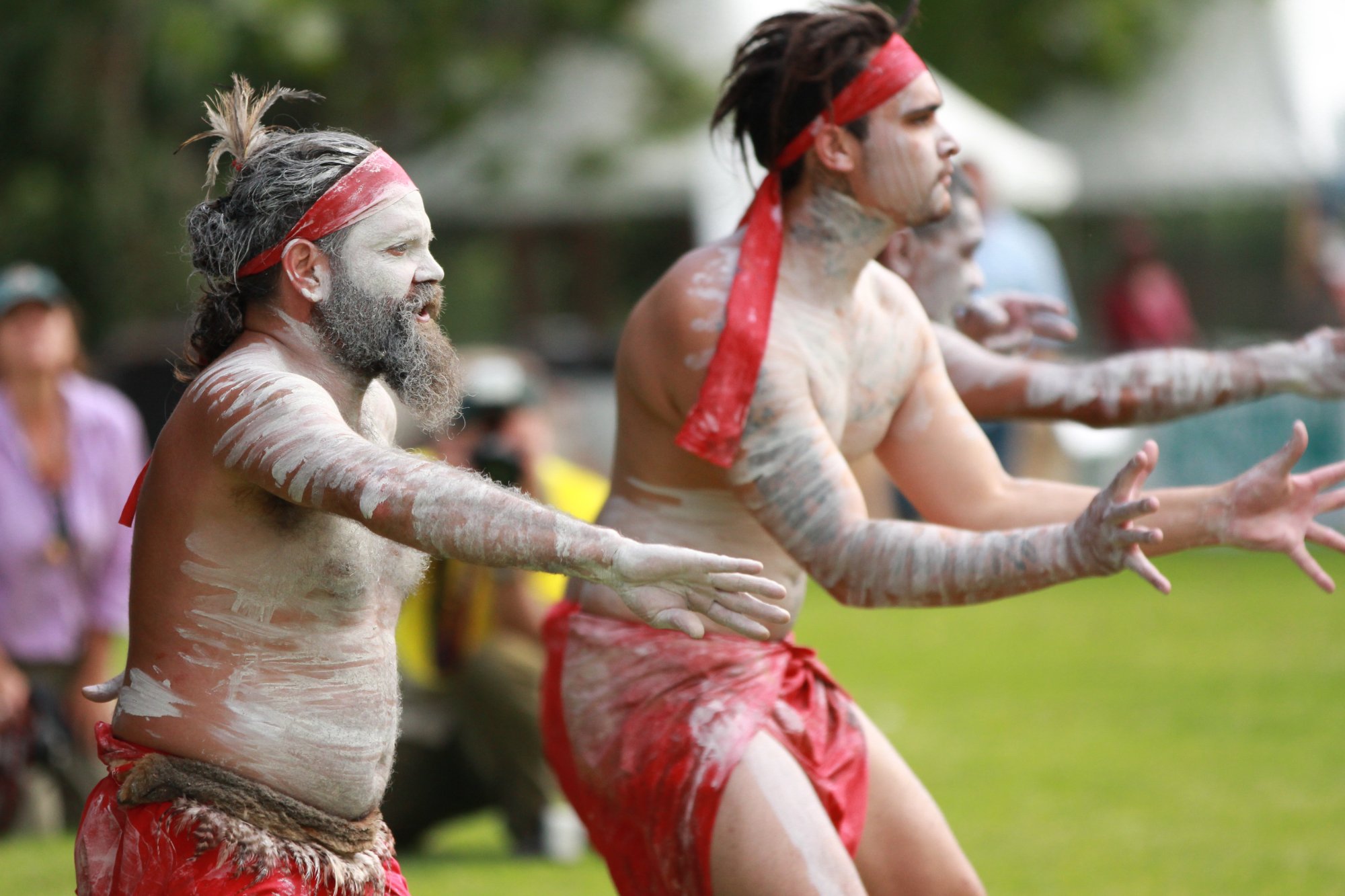
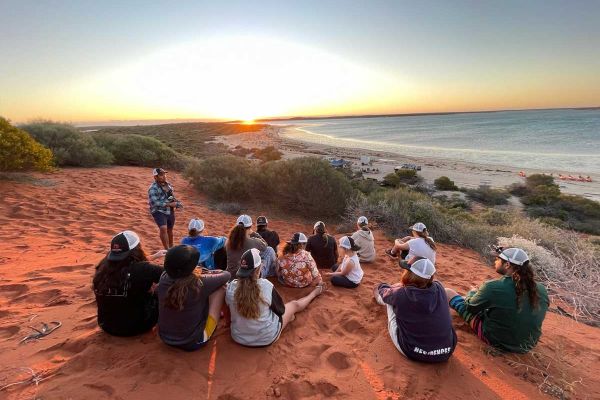
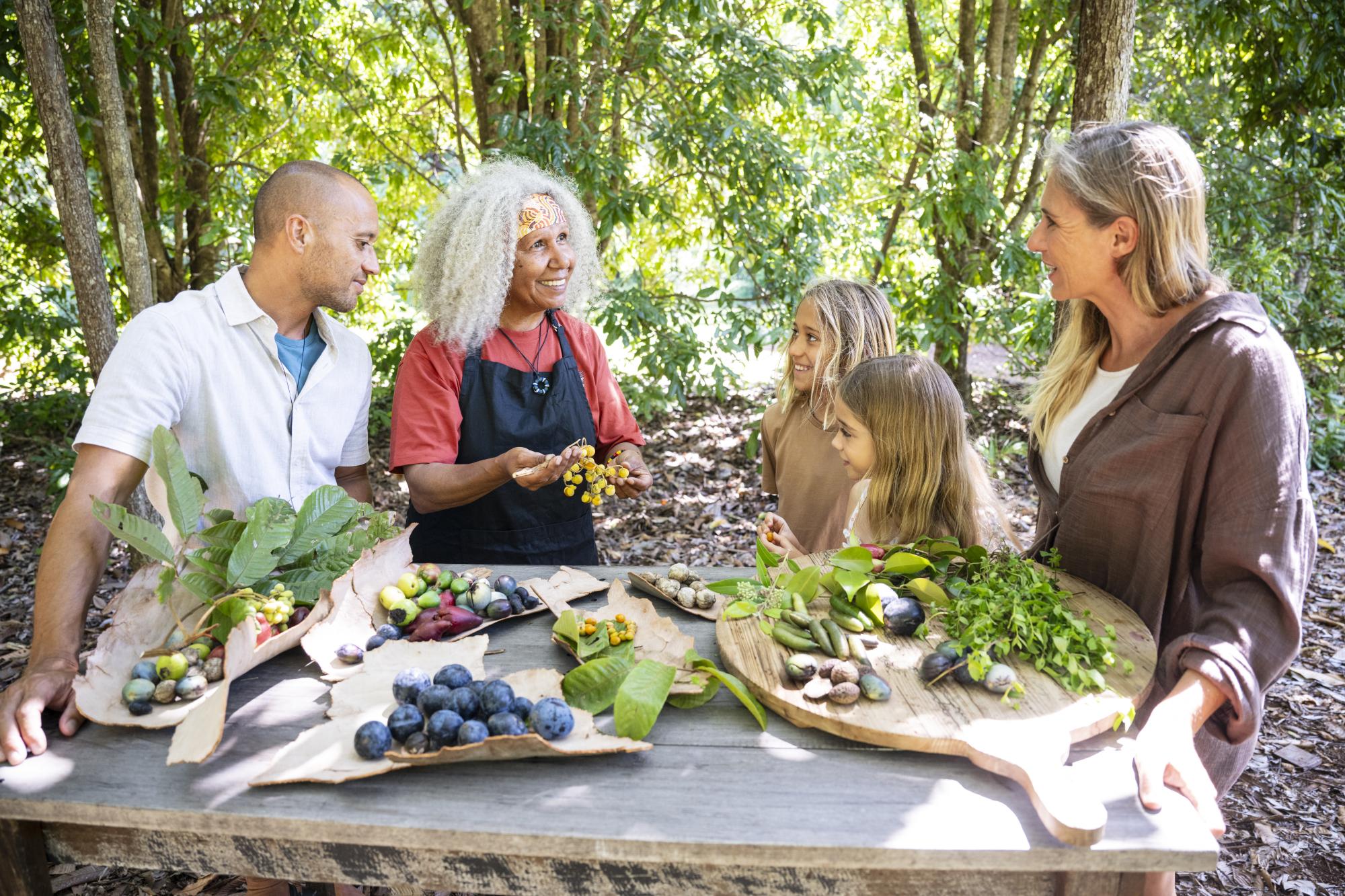
The cultural component is the backbone of every Wula Gura Nyinda youth camp. Local Aboriginal guides share the history, stories, and traditions of the Shark Bay region – knowledge that has been passed from generation to generation across millennia. This isn’t a performance or a museum visit. It’s learning on country, from people who belong to it.
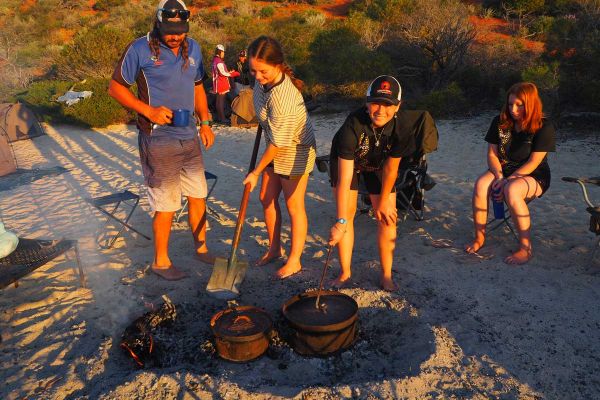
Sessions cover local Aboriginal history, Dreaming stories, and the deep connection between people and landscape in this part of Western Australia. Around the campfire at night, guides share stories and play didgeridoo, and participants get the chance to try it themselves. The tone is relaxed and conversational rather than formal.
Trade tip: The cultural learning here is woven through every activity rather than delivered as a standalone session. That makes it far more engaging for younger travellers than a conventional cultural presentation. For international school groups especially, this kind of immersive Aboriginal cultural experience is a strong drawcard that’s difficult to replicate outside Australia.
On the Water in Shark Bay
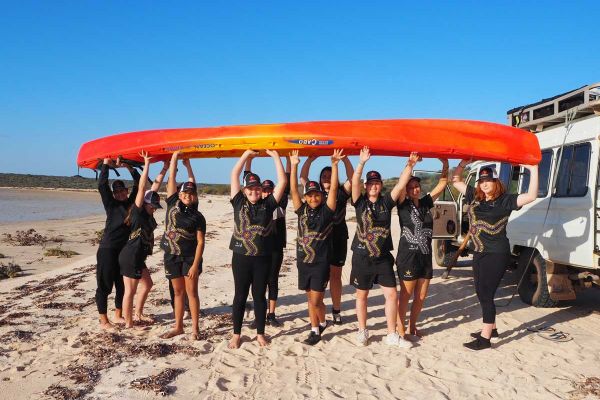
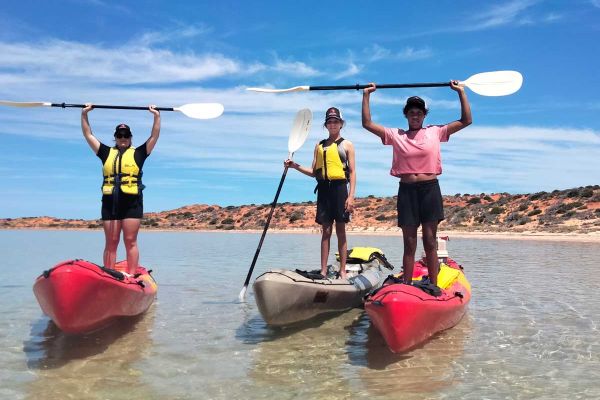
The Shark Bay World Heritage Area is one of those places where the water alone justifies the trip. Crystal-clear turquoise shallows, seagrass meadows, and a coastline that feels barely touched. Youth camp participants get out on it – kayaking through sheltered bays, fishing with guidance from Aboriginal instructors, and snorkelling over the marine life that makes this stretch of coast globally significant.
These aren’t passive sightseeing sessions. Participants paddle their own kayaks, bait their own lines, and learn to read the water. The guides tie it all back to traditional knowledge – how Aboriginal people have fished and navigated these waters for thousands of years.
Trade tip: The water-based activities are the highlight for most young participants and photograph brilliantly. For agents packaging this into a broader Western Australian itinerary, the marine environment at Shark Bay sits alongside Ningaloo Reef as one of the state’s strongest nature-based selling points. The combination of cultural learning and adventure on the water is a particularly compelling package for international school groups.
Reading the Landscape Like a Local
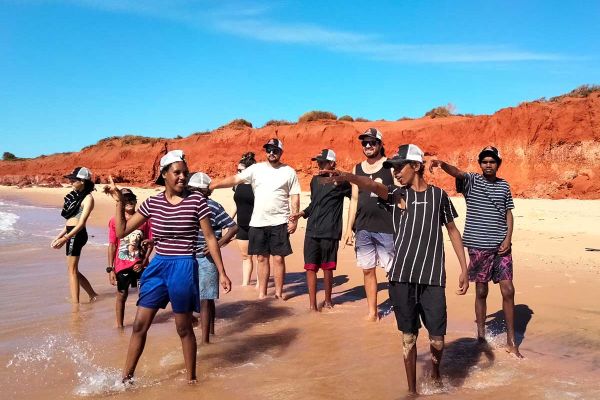
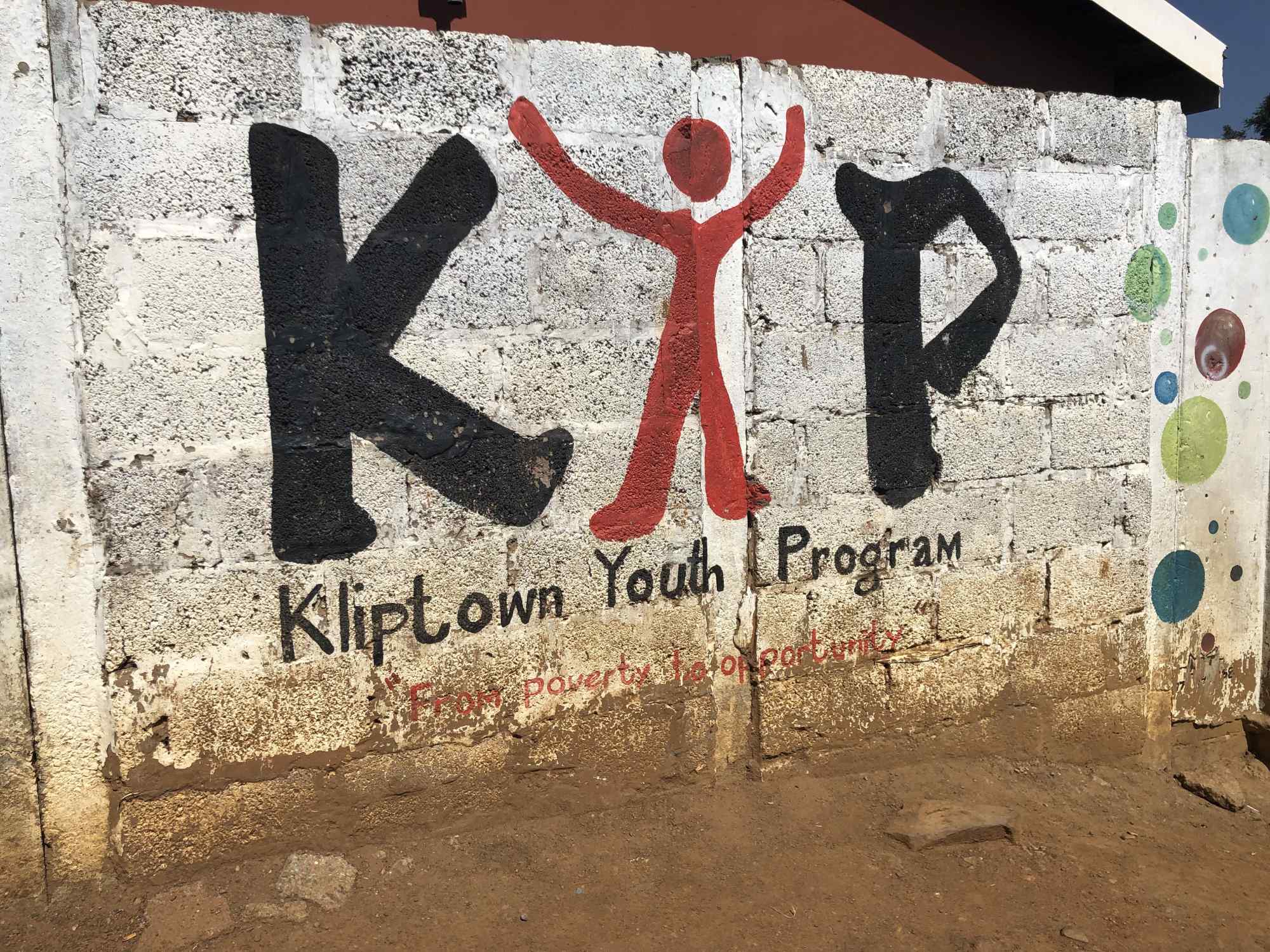
Walking through the coastal scrub and bushland around Shark Bay with an Aboriginal guide changes how you see the landscape. What looks like sparse vegetation to untrained eyes turns out to be a pharmacy and a pantry. Guides identify bush tucker plants – fruits, seeds, roots that have sustained people here for millennia – alongside bush medicine plants used for healing.
It’s hands-on. Participants taste things, smell things, handle materials. The guides explain not just what each plant does but how it fits into the broader ecological and cultural system. For young people accustomed to urban environments, this is genuinely eye-opening.
Trade tip: Bush tucker walks are one of the most requested Aboriginal cultural activities across Australia, and the quality varies enormously between operators. Wula Gura Nyinda’s guides are local people sharing their own family knowledge on their own country – that authenticity is the difference. It’s worth emphasising this in your client materials.

Tagging, Tracking & Conservation in Action
The wildlife conservation component sets these camps apart from most youth outdoor programmes. Participants get involved in real conservation work – tagging and tracking wildlife under the guidance of experienced operators. This isn’t a demonstration. Young people contribute to genuine data collection and learn why it matters.
The Shark Bay region is home to extraordinary biodiversity: dugongs, dolphins, sea turtles, and an array of bird species. Understanding how Aboriginal land management practices have shaped and sustained this environment for millennia adds another layer to the conservation story.
Trade tip: For school groups with a science or environmental studies focus, the wildlife conservation activities are the standout component. It ticks curriculum boxes while being genuinely exciting for participants. This is particularly appealing to international schools looking for hands-on STEM experiences in an Australian wilderness setting.
Safety, Water & Wilderness Camping
Bush survival is another thread running through the camps. Participants learn practical skills – how to find water in arid country, basic safety in the Australian bush, reading weather patterns, and setting up camp in wilderness environments. These aren’t abstract lessons. They’re taught while actually camping out under the stars.
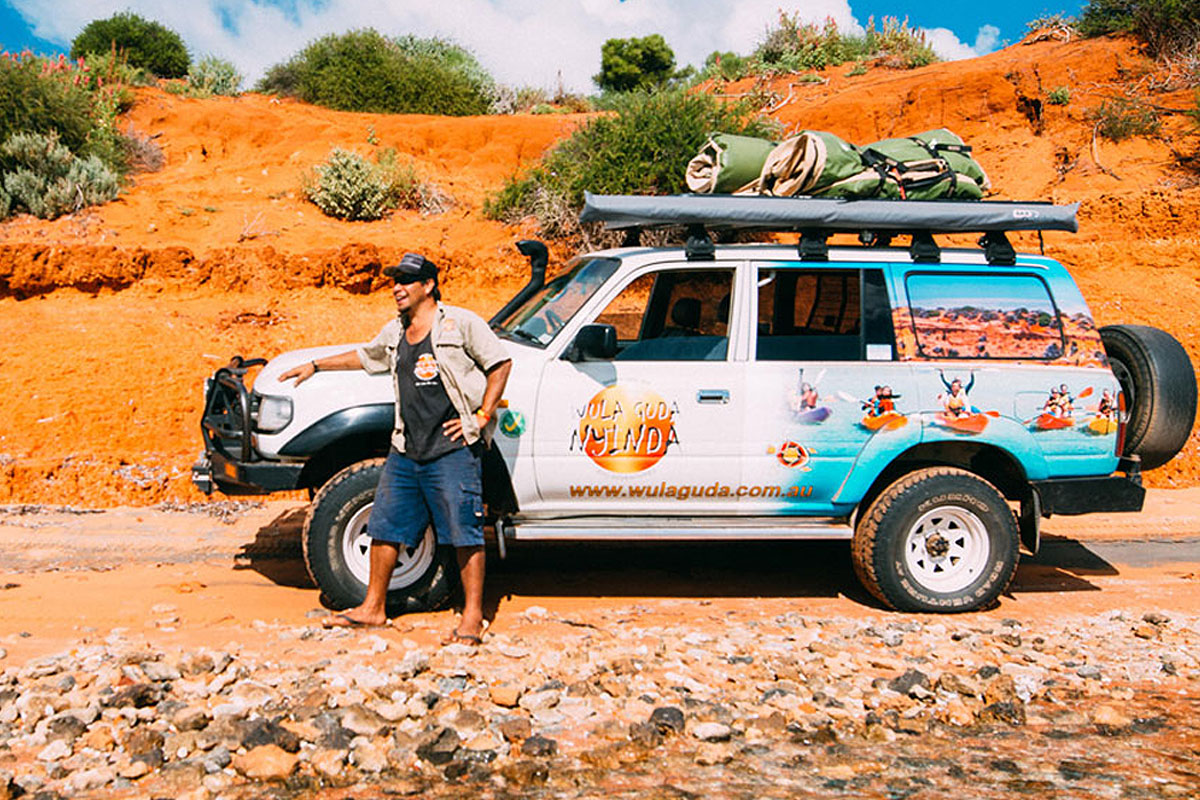
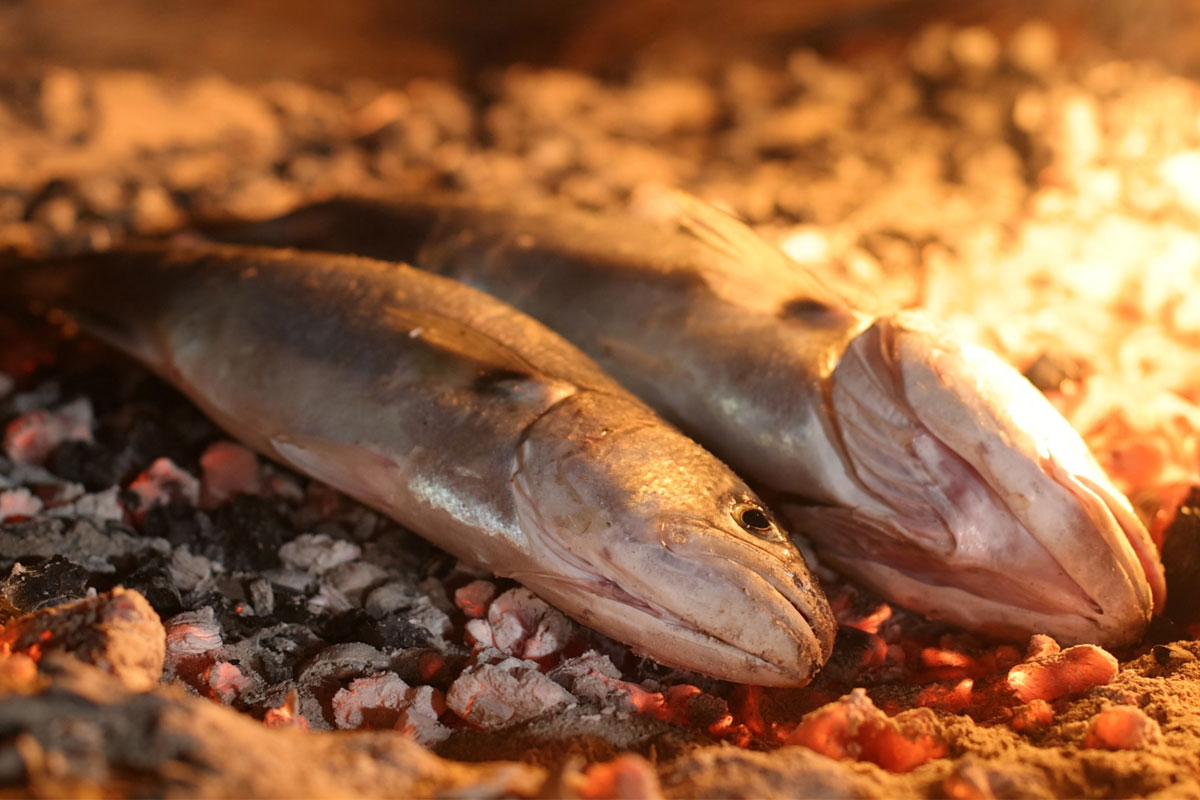
The wilderness camping element is central to the experience. Sleeping out in the Shark Bay landscape, cooking over campfires, and waking to the sounds of the bush creates a connection to the environment that a day trip simply cannot match. For many young international travellers, it’s their first experience of genuine remote camping.
Trade tip: The overnight wilderness camping is often the most memorable part of the camp for participants – and the most nerve-wracking for parents. Reassure your clients that the guides are highly experienced, safety protocols are well established, and the programme has been running successfully for five years. The campfire evenings with stories and didgeridoo are consistently rated the highlight.
Confidence That Sticks
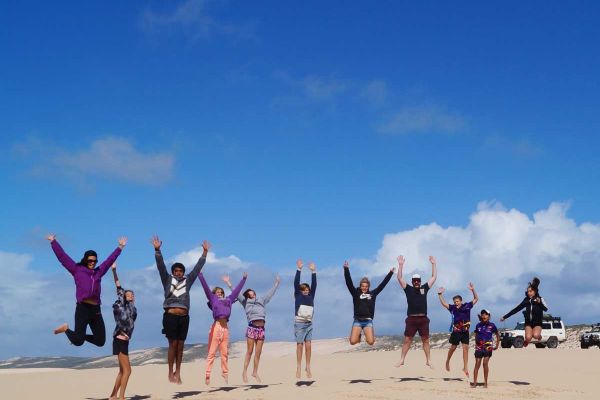
Every activity in the Wula Gura Nyinda programme is designed to build teamwork and leadership. It happens naturally – paddling together in kayaks, collaborating to set up camp, working as a group during wildlife tracking sessions. The guides create an environment where young people step up, support each other, and push past their comfort zones.
The nature-based setting does much of the heavy lifting. Away from phones, screens, and the usual social dynamics, participants engage differently. The Aboriginal cultural framework adds depth to this – the concept of collective responsibility for country resonates in ways that conventional team-building exercises rarely achieve.
Trade tip: For youth organisations and school groups with leadership development objectives, position the cultural learning as the differentiator. Plenty of outdoor camps build teamwork. Very few do it within the context of the world’s oldest continuous culture, guided by the traditional custodians themselves. That’s the story worth telling.
WHAT’S INCLUDED