
THE EXPERIENCE
Two Days on the Edge of the Continent
The Drive Out to the Edge
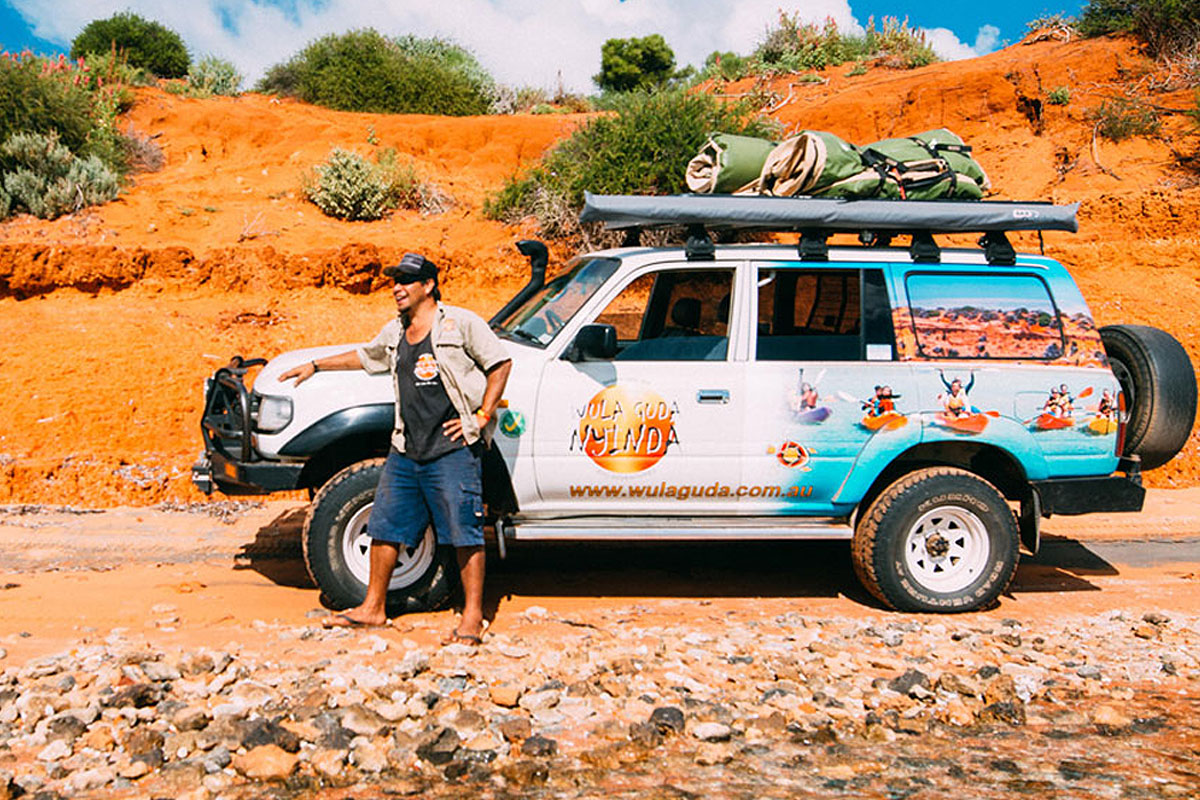
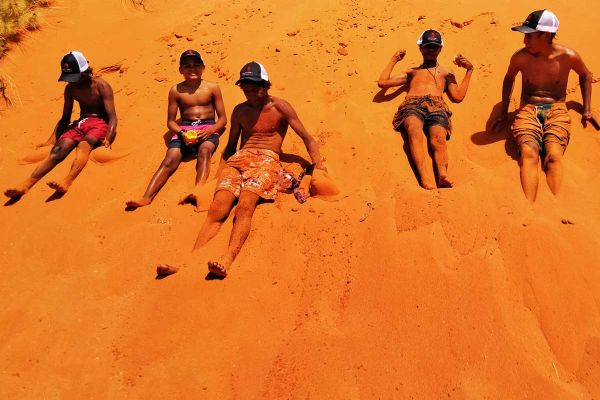
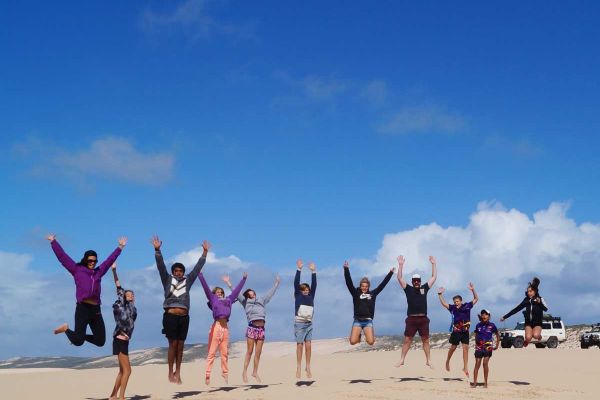
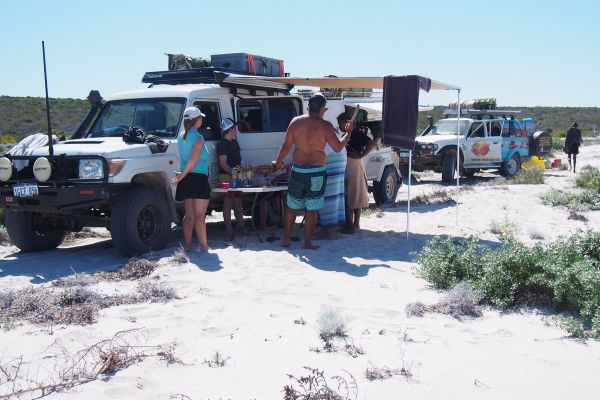
The tour begins with pick-up from your clients’ accommodation in the Shark Bay area. From there, the 4WD heads west across the Edel Land Peninsula on tracks that are firmly off-limits to conventional vehicles. The landscape shifts quickly – from scrubby coastal heath to red-earth tracks flanked by low dunes and the occasional wedge-tailed eagle overhead.
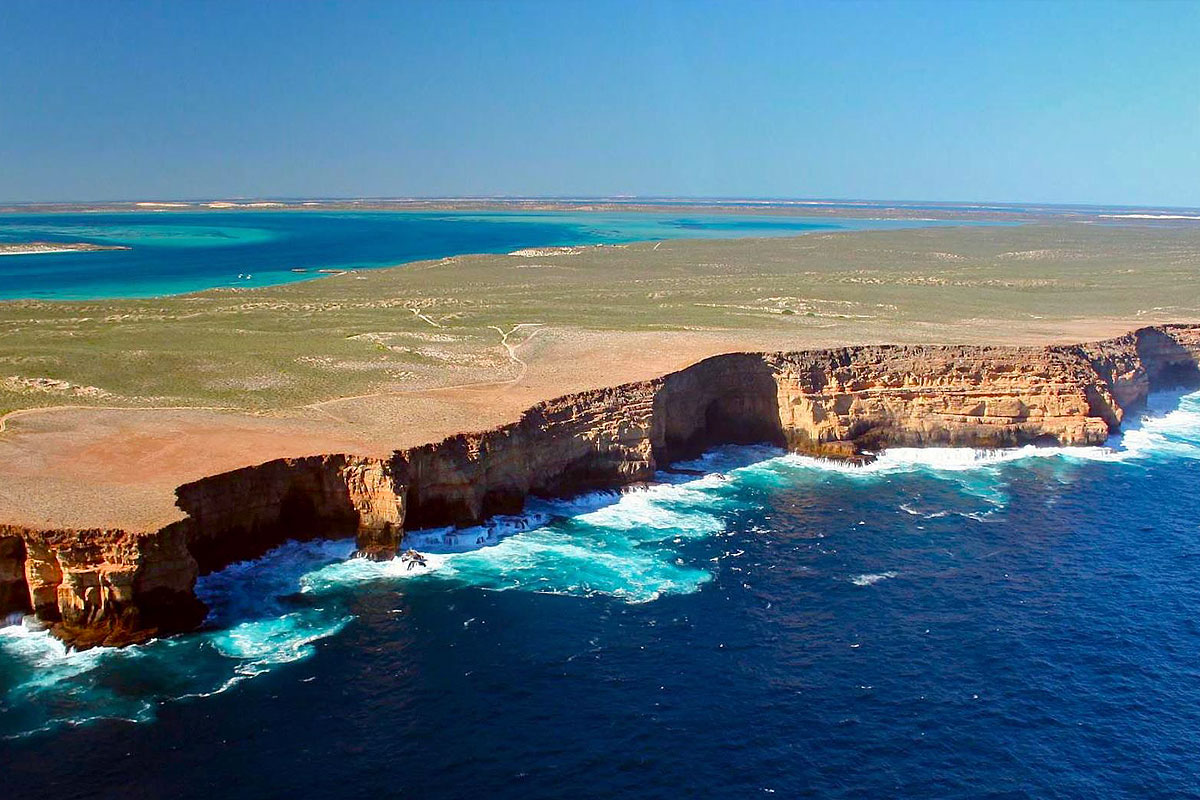
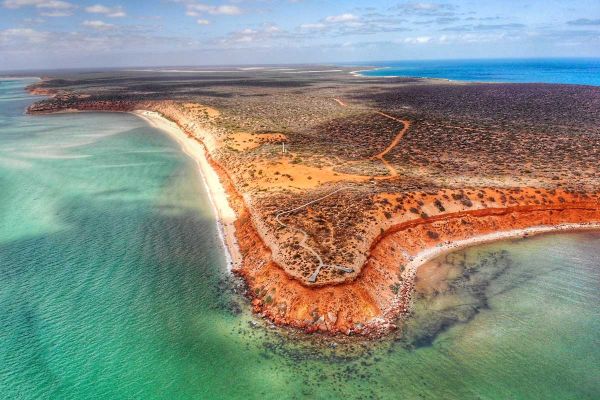
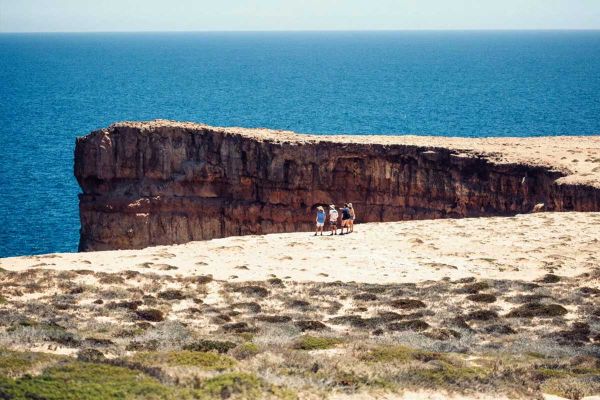
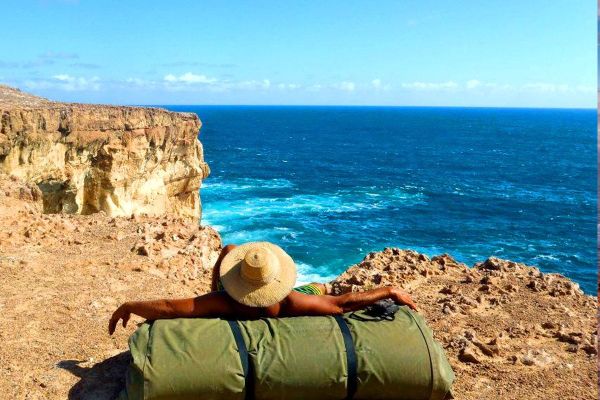
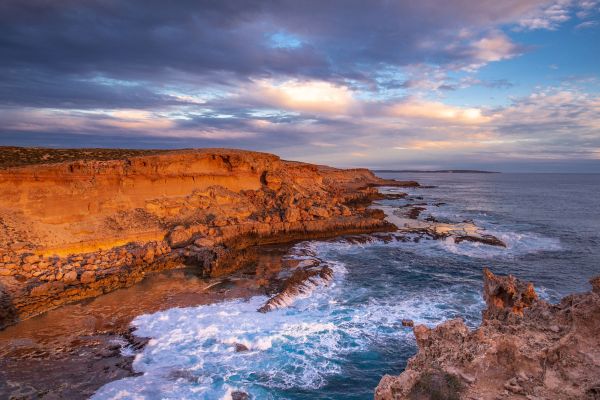
The destination is Steep Point itself, the most westerly point of mainland Australia. It’s not marked by much beyond a simple sign and the immensity of the Indian Ocean stretching unbroken toward Africa. The Zuytdorp Cliffs run south from here – sheer, ancient, and named after the Dutch ship that wrecked against them in 1712. Standing at the cliff edge with nothing between you and the horizon is the sort of moment that sticks.
Trade tip: The 4WD journey is part of the experience, not just a transfer. The guide provides commentary on the landscape, ecology, and Aboriginal connection to country throughout the drive. For clients who’ve spent time in Monkey Mia or Denham, this is a completely different side of Shark Bay – wild and largely unvisited. It’s worth framing the remoteness as the appeal, not the obstacle.
Paddling Sheltered Bays & Coral Reefs
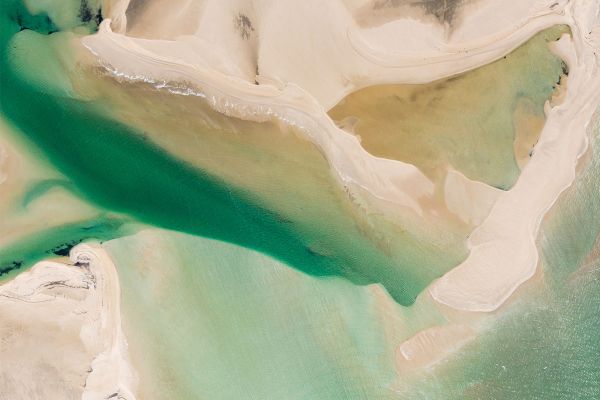
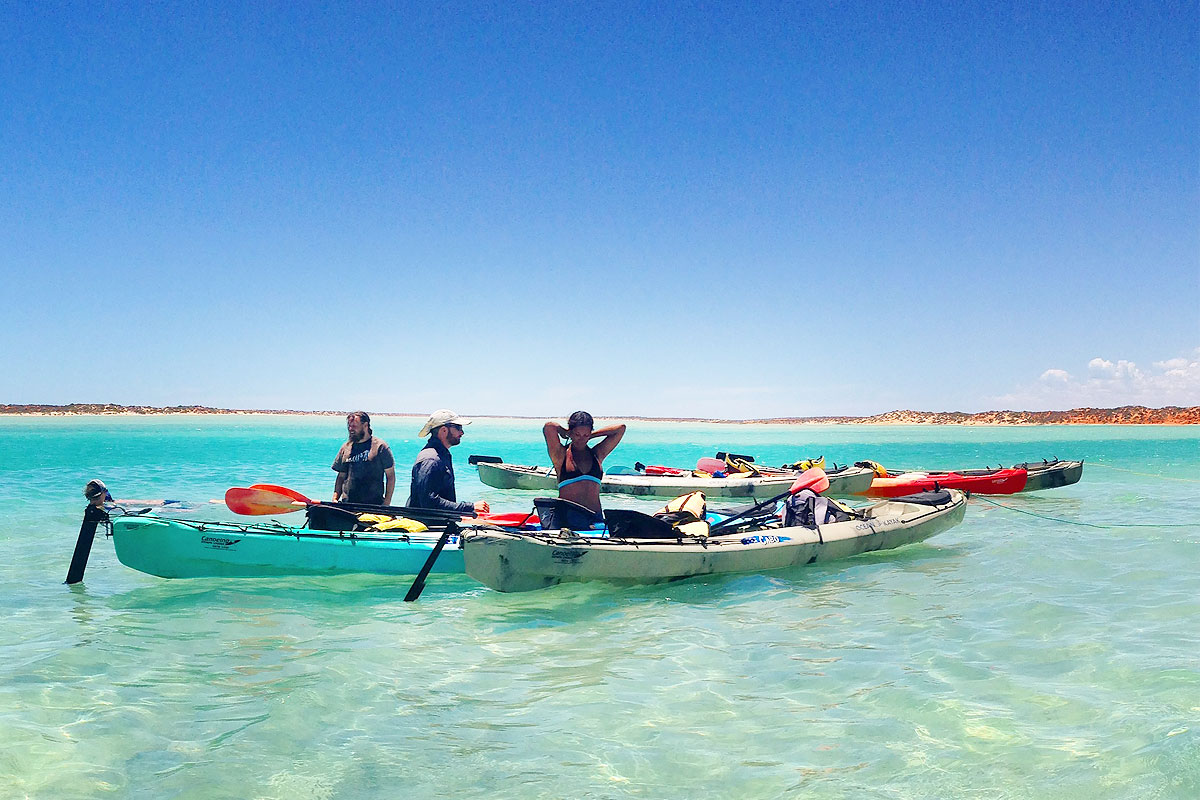
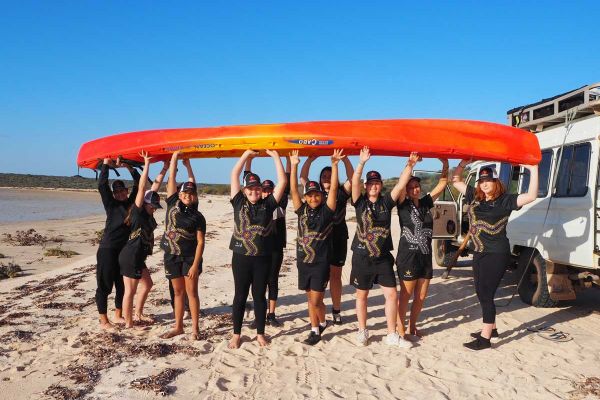
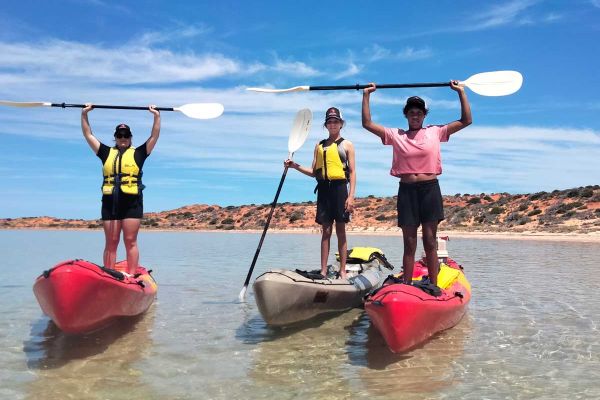
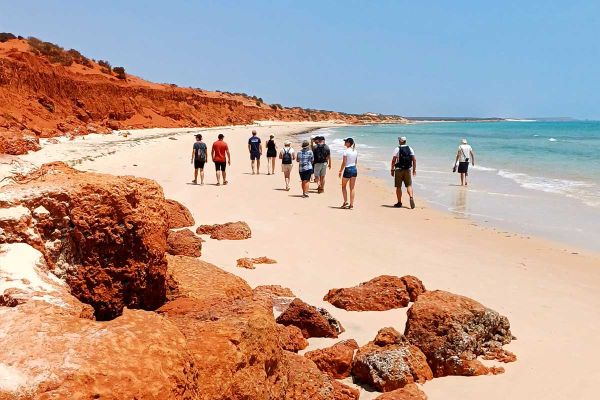
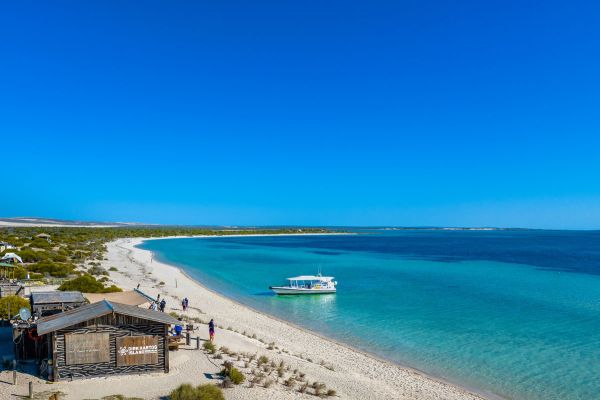
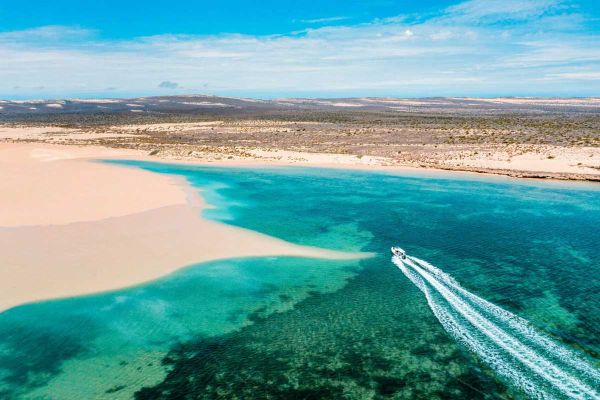
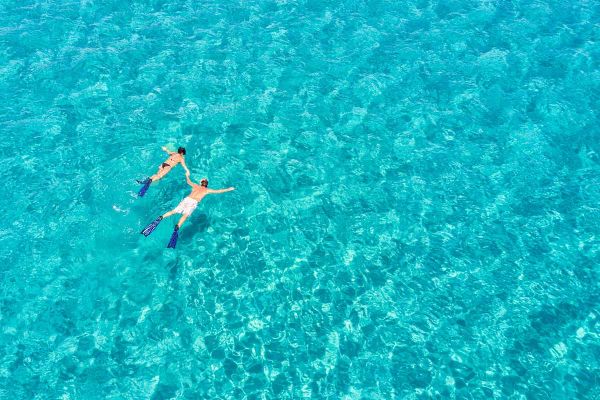
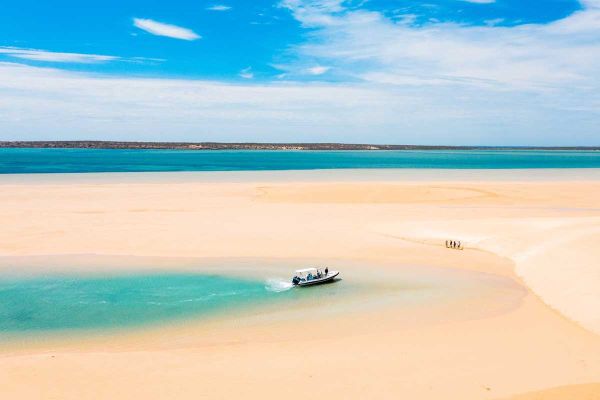
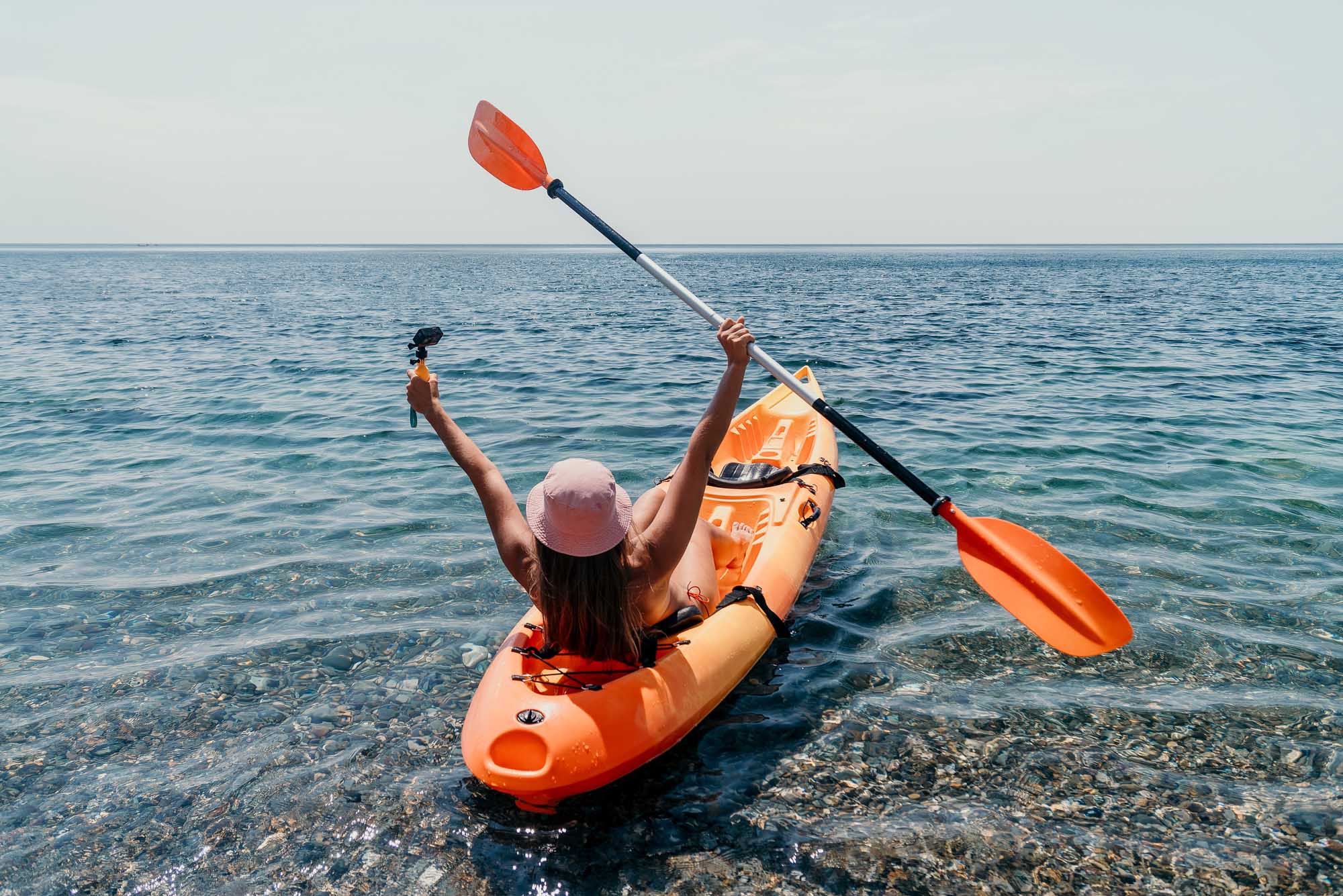
Double kayaks are provided for exploring the sheltered bays along the coast. The water here is remarkably clear – typical of the Shark Bay region, which sits within one of the most significant marine environments on earth. Paddling across these bays, your clients land on deserted beaches that see virtually no foot traffic.
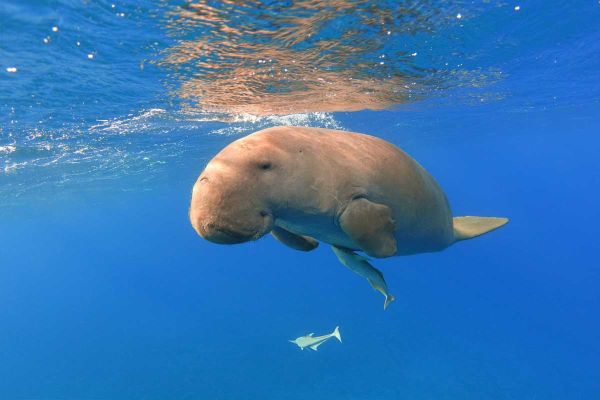
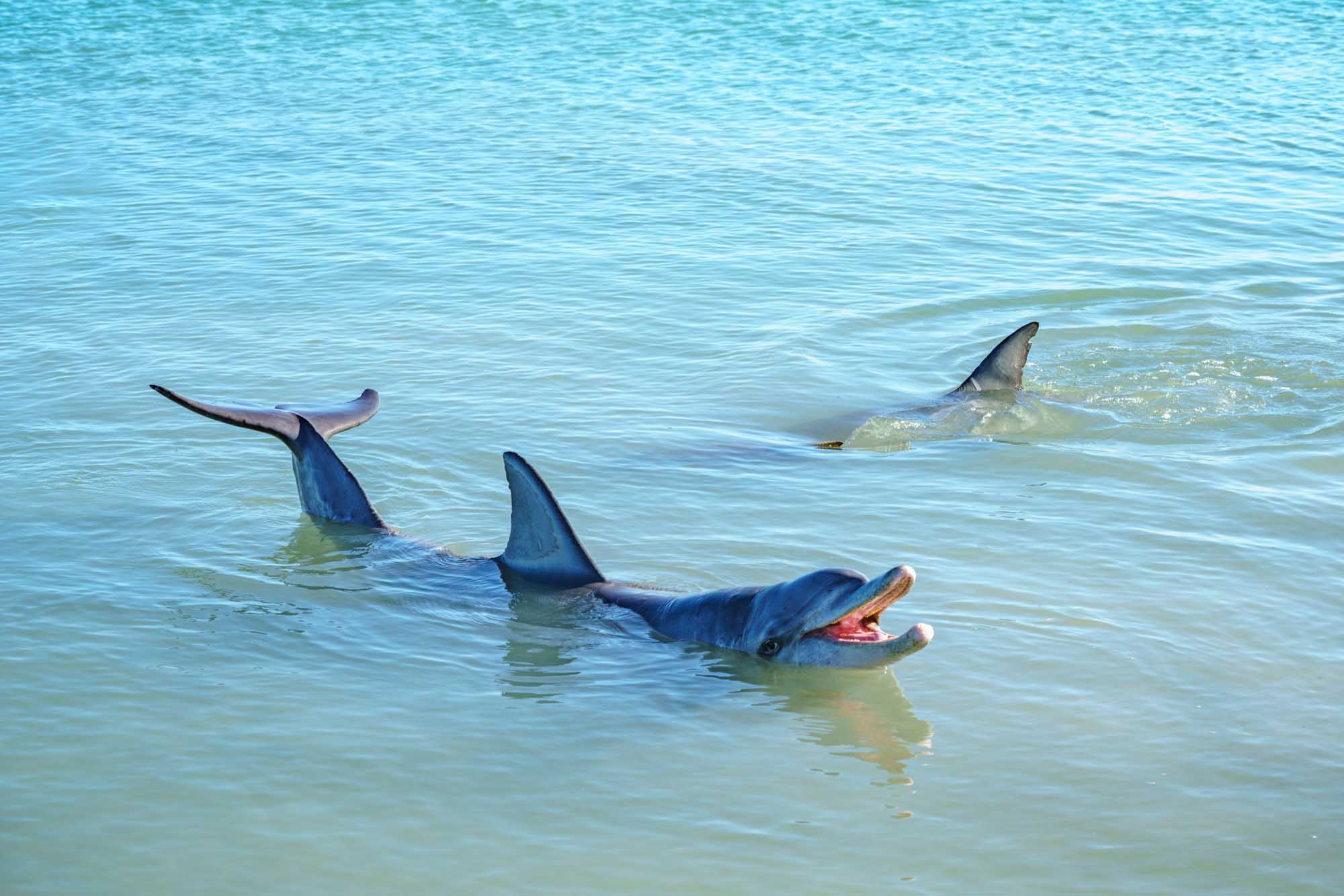
The snorkelling is a standout. Coral reefs teeming with marine life sit close to shore, and the guide selects sites based on conditions on the day. Shark Bay’s waters are home to dugongs, sea turtles, dolphins, manta rays, and an extraordinary diversity of fish species. Not every creature makes an appearance, but the reefs themselves are consistently impressive.
Trade tip: Snorkelling equipment is included but clients should bring their own swimwear and a rash vest or wetsuit if they feel the cold. The kayaking requires no prior experience – the double kayaks are stable and the guide keeps things relaxed. This component is what differentiates the tour from a standard 4WD sightseeing trip. It gives clients genuine interaction with the marine environment, which is a strong selling point for eco-conscious travellers.
Indigenous Guiding & Survival Techniques
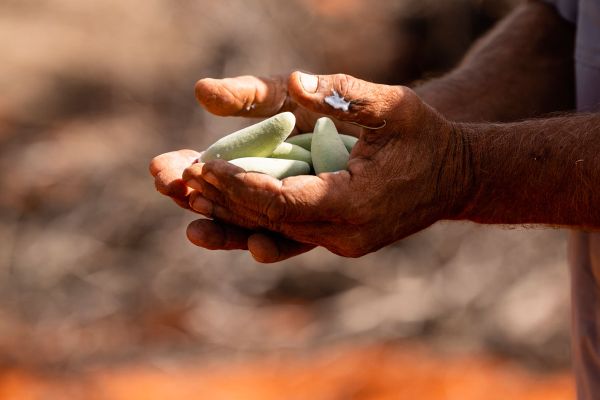
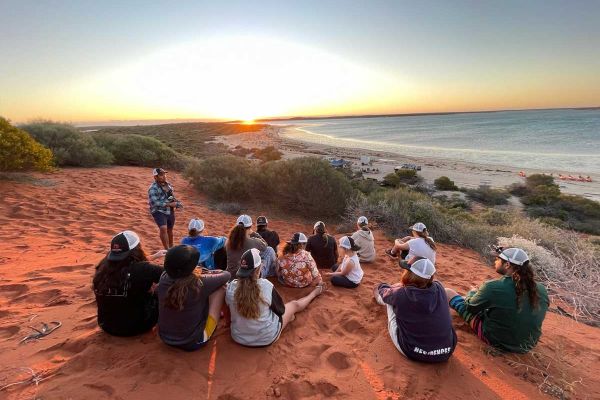
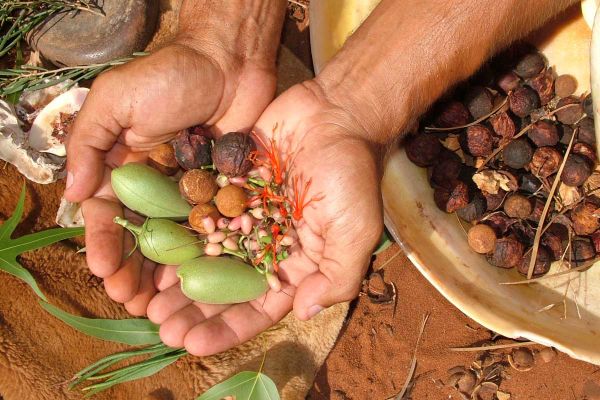
Wula Gura Nyinda means “People of the Two Bays” in the local Aboriginal language, and the guides are the traditional custodians of this country. Throughout the tour, they share knowledge of bush food, traditional medicine, and survival techniques that have sustained their people in this arid coastal landscape for thousands of years.
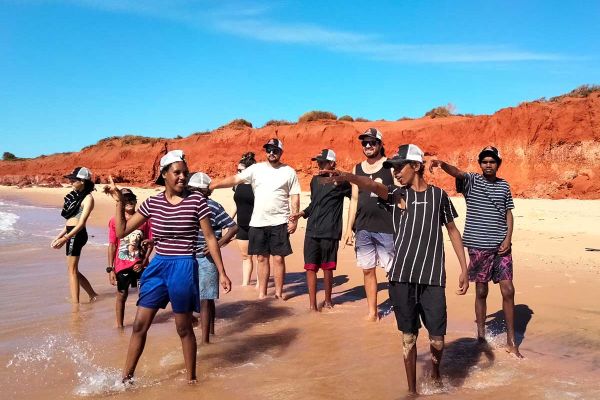
This isn’t a scripted presentation. It unfolds naturally as the group moves through the landscape. A particular plant identified as a food source here, a traditional fishing technique explained at the water’s edge there. The guides read the group and share what feels relevant. For travellers who value authentic Indigenous cultural experiences, it’s the real thing – delivered on country by people who belong to it.
Trade tip: Aboriginal cultural tourism is increasingly sought after by international travellers, particularly from European and North American markets. This is a genuine, community-owned operation – not a third-party experience bolted onto someone else’s tour. That distinction matters to discerning clients and aligns with growing demand for responsible, community-benefit tourism. Use this in your pitch.

Sleeping on the Beach Under the Stars
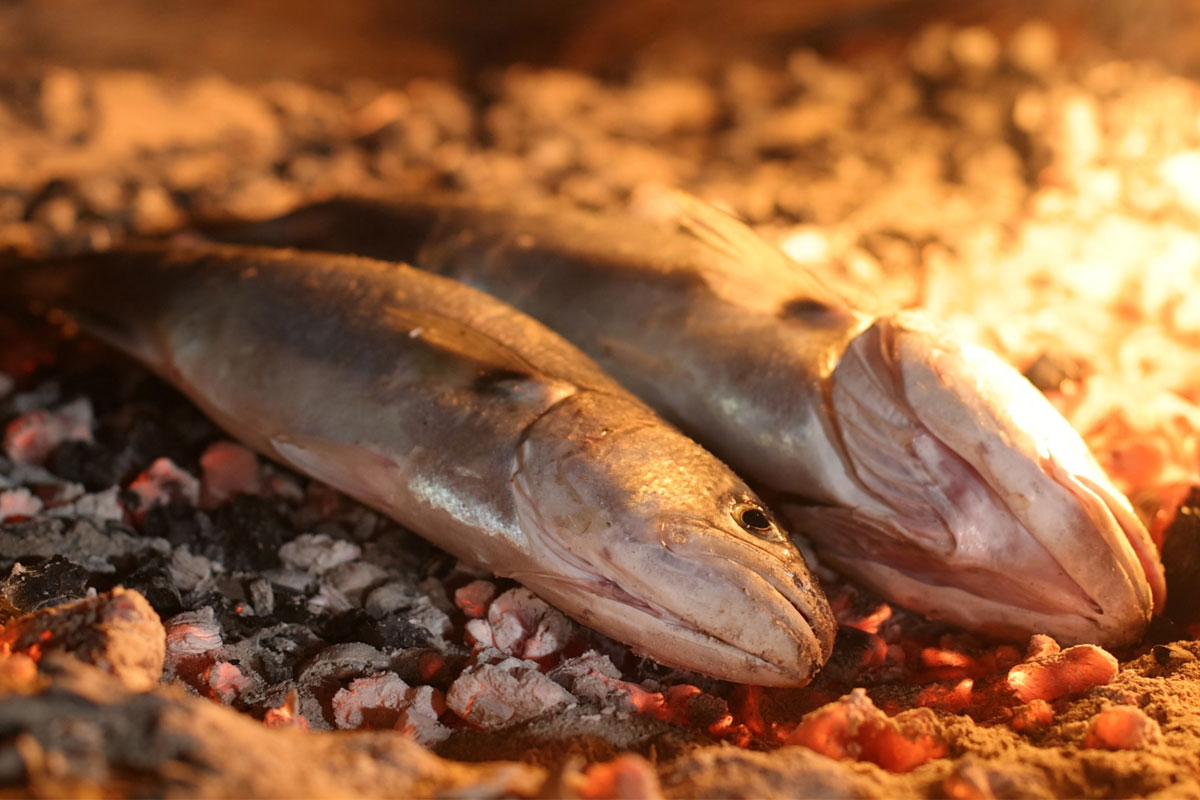
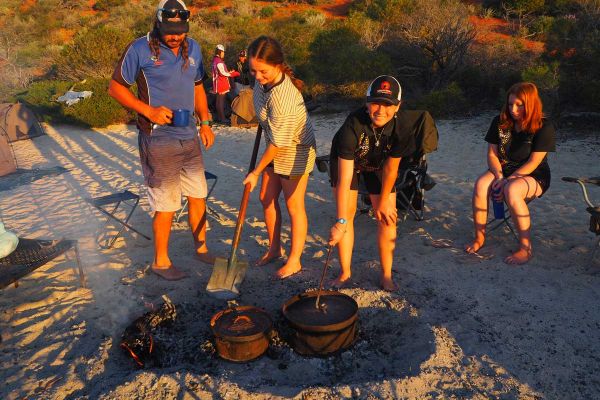
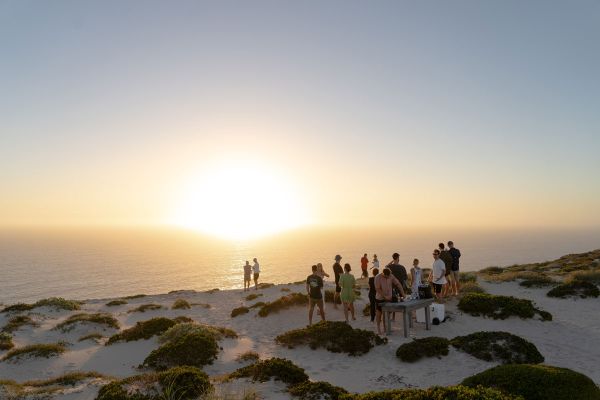
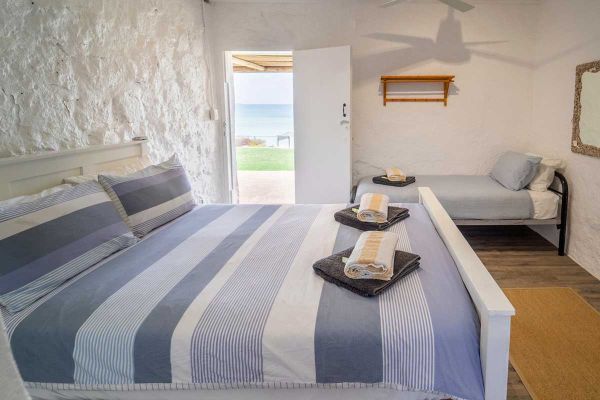
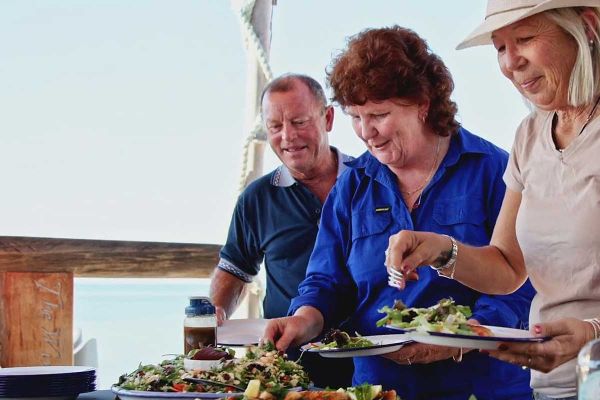
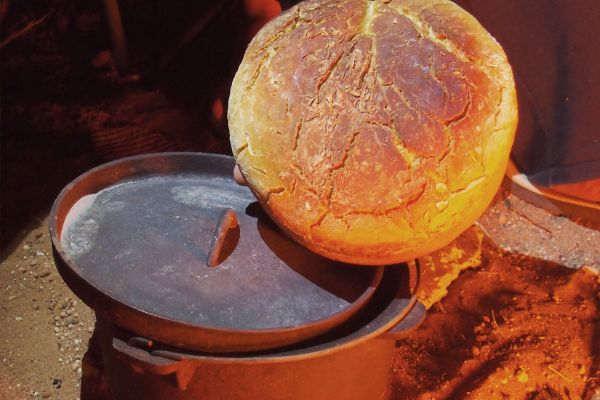
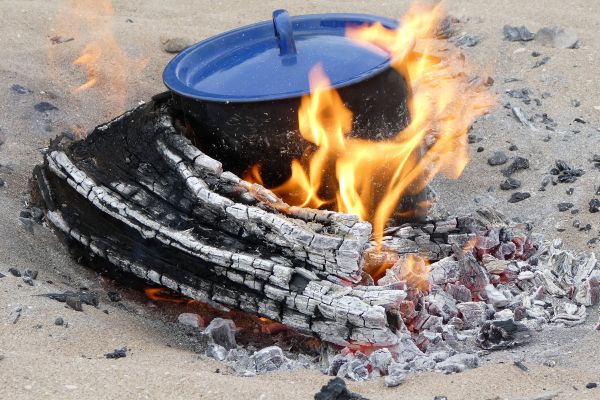
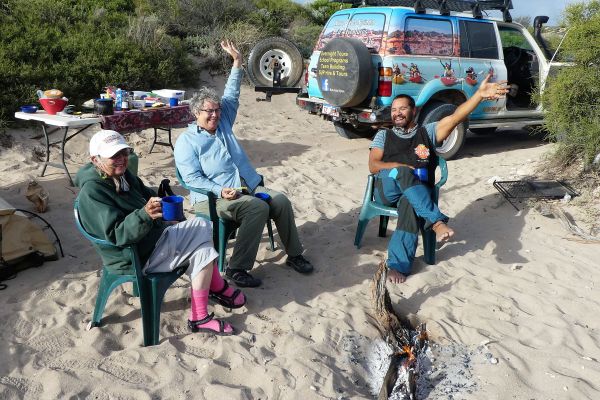
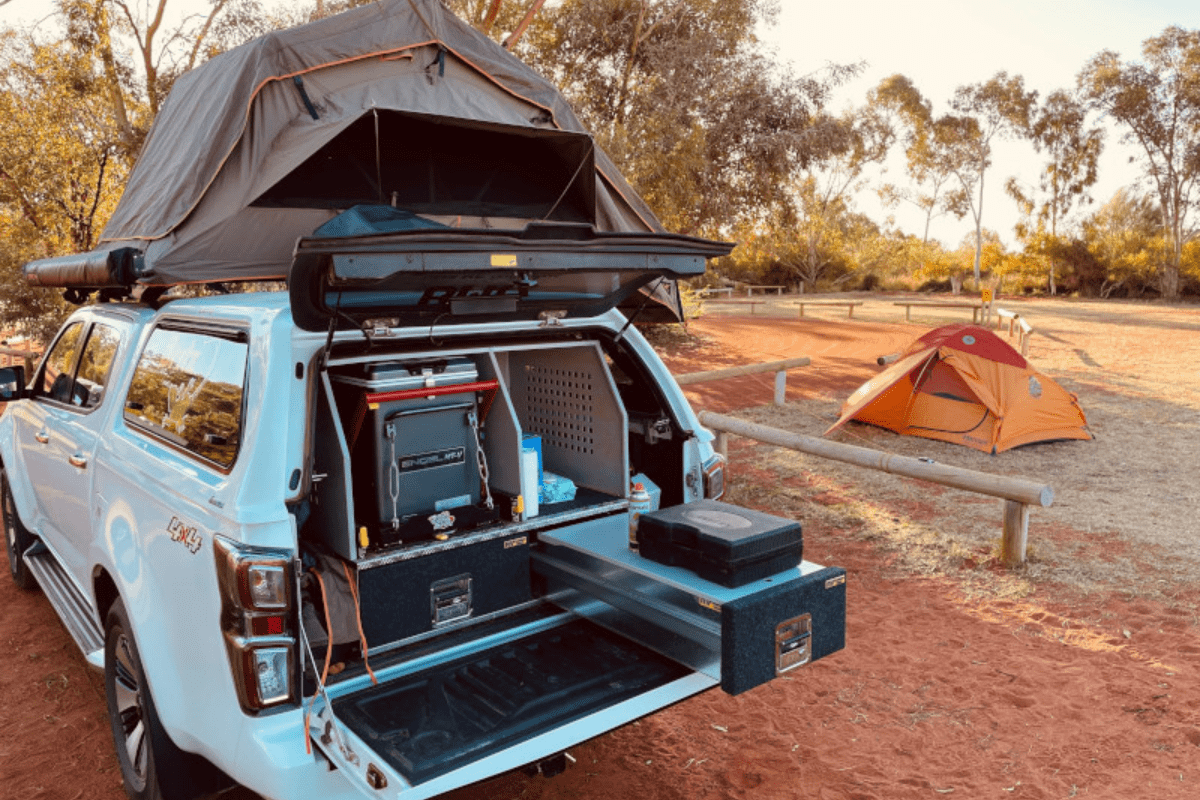
Camp is set up right on the beach. Dome swags and sleeping bags are provided – this is comfortable camping, not roughing it, but it’s definitely outdoors. The guide prepares camp-oven meals throughout the stay, and fresh damper is a staple. If the group catches fish during the day, that goes on the fire too.
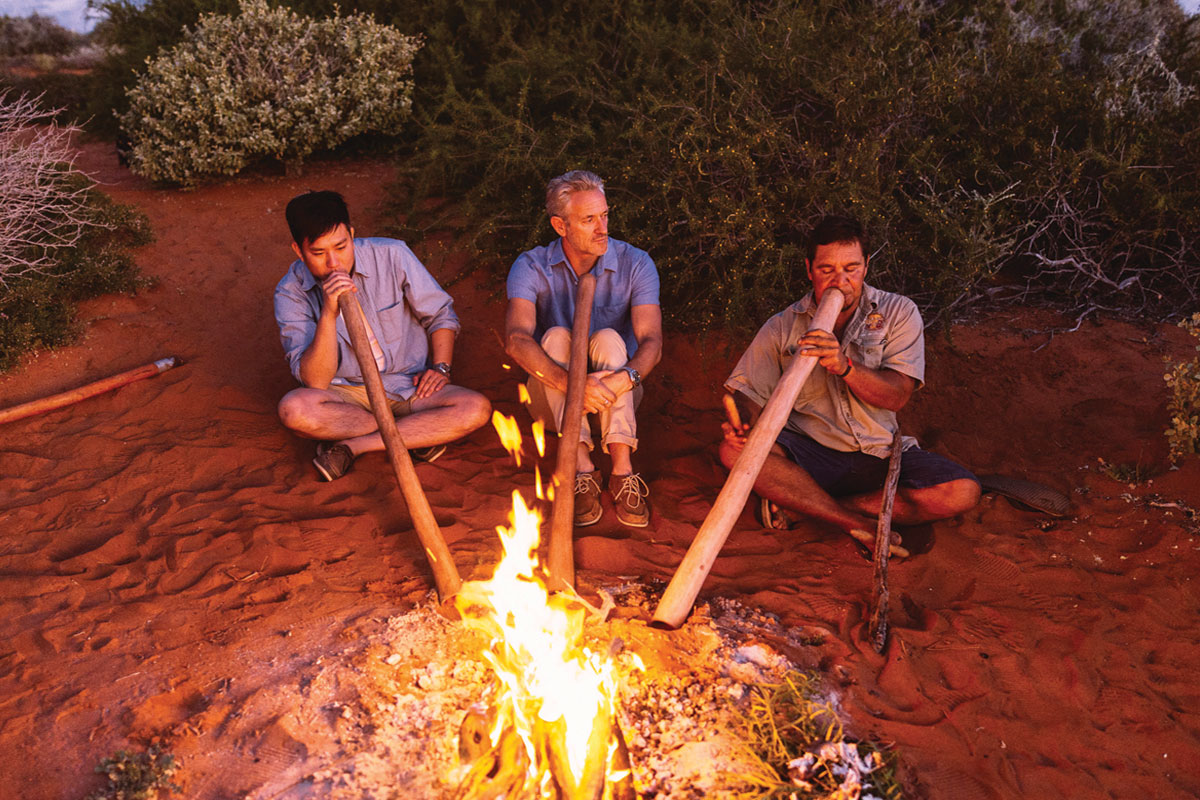
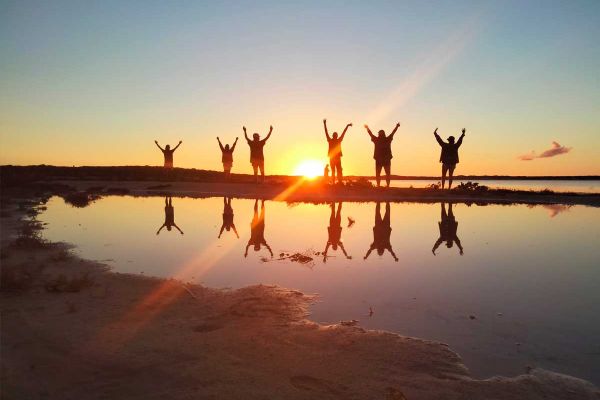
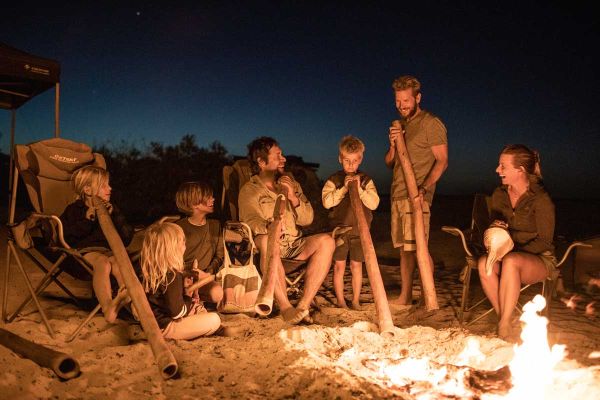
The evening is where the experience shifts gear. A campfire, the sound of the ocean, and the guide playing didgeridoo under a night sky that, this far from light pollution, is genuinely staggering. The Milky Way sits right on top of you. It sounds like a cliché until you’re actually out there.
Trade tip: Set expectations clearly. This is beach camping, not glamping. Dome swags are comfortable but it’s still sleeping on sand under canvas. Clients who want hotel-standard comfort won’t enjoy it. Clients who want an authentic, back-to-basics adventure will remember it for years. The beachside camp-oven dinner and didgeridoo session under the stars is consistently the highlight mentioned in post-trip feedback. Great content for social media and travel writing.
Where the Cliffs Meet the Ocean
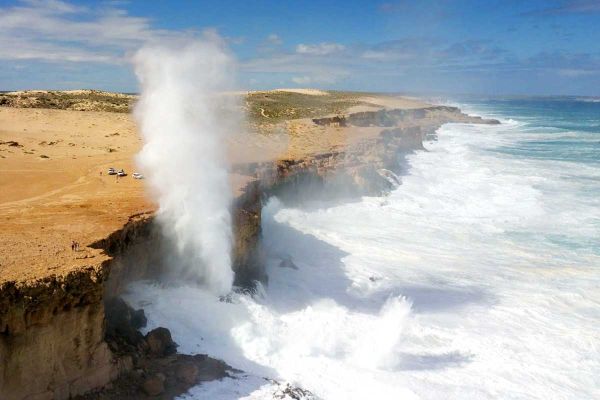
The Zuytdorp Cliffs stretch for over 200 kilometres along Western Australia’s coast, and the section accessible from this tour is breathtaking. Named after the Dutch East India Company ship Zuytdorp, which was wrecked here in 1712, the cliffs drop sheer into the Indian Ocean. The scale is hard to convey in photographs – you need to be standing at the edge to feel it.
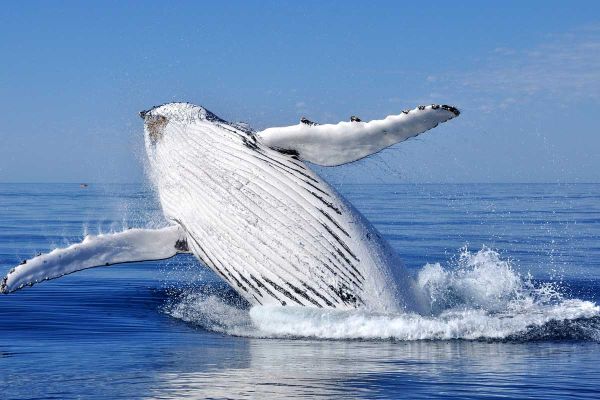
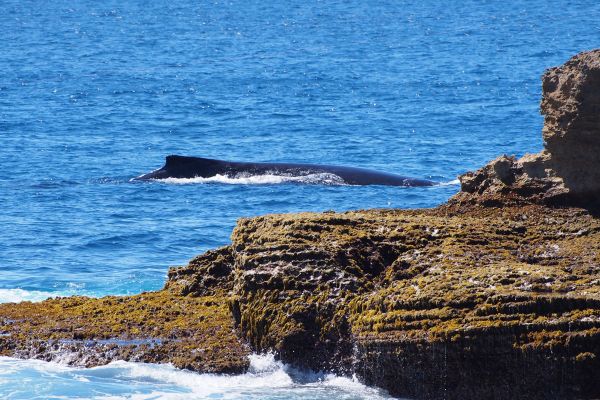
South Passage, where the Shark Bay waters meet the open ocean, is another key stop. The currents here attract marine life, and whale sightings are possible during migration season (roughly June through November). Even outside whale season, the raw coastal scenery makes this stop worth the drive.
Trade tip: If your clients are visiting between June and November, mention the whale-watching potential. Humpbacks migrate along this coast in significant numbers. It’s not guaranteed from the cliffs, but it’s common enough to be worth flagging. The Zuytdorp Cliffs also have genuine historical intrigue – the 1712 shipwreck story appeals to clients interested in maritime history and Dutch exploration of Australia’s west coast.
Line Fishing & the Marine Environment
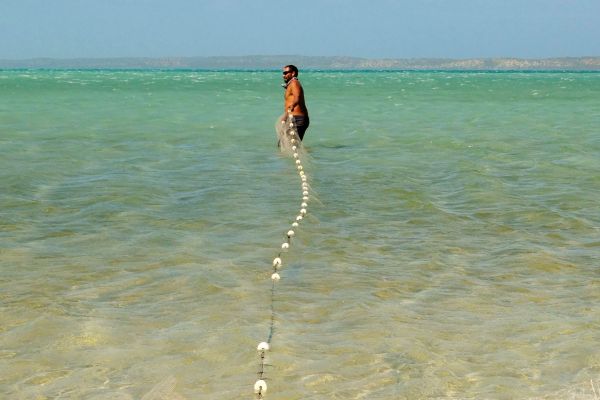
Fishing is part of the experience rather than the sole focus. The guide sets up line fishing from the beach or rocks, and if the group catches something, it goes straight into the camp-oven dinner. The waters around Steep Point are productive – this stretch of coast is known among serious anglers for its diversity of species.
Beyond fishing, the marine environment here is extraordinary. Shark Bay is one of only a few places in the world inscribed on the World Heritage List for meeting all four natural criteria. The seagrass beds are the largest on earth. Dugong populations are globally significant. The dolphins at Monkey Mia, just across the bay, are famous for a reason – but the waters on this western side are quieter and, arguably, more ecologically impressive.
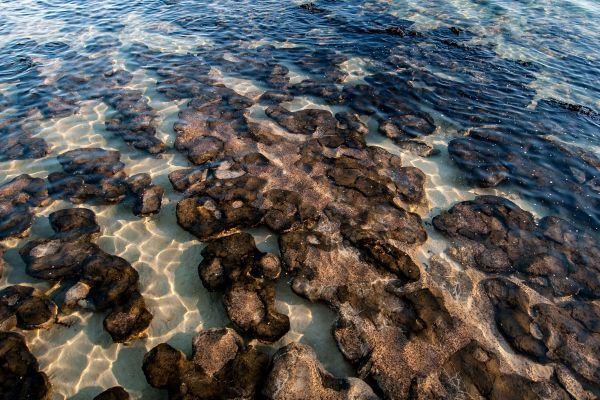
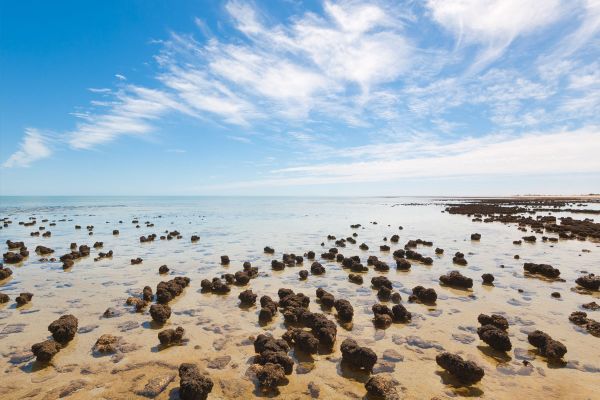
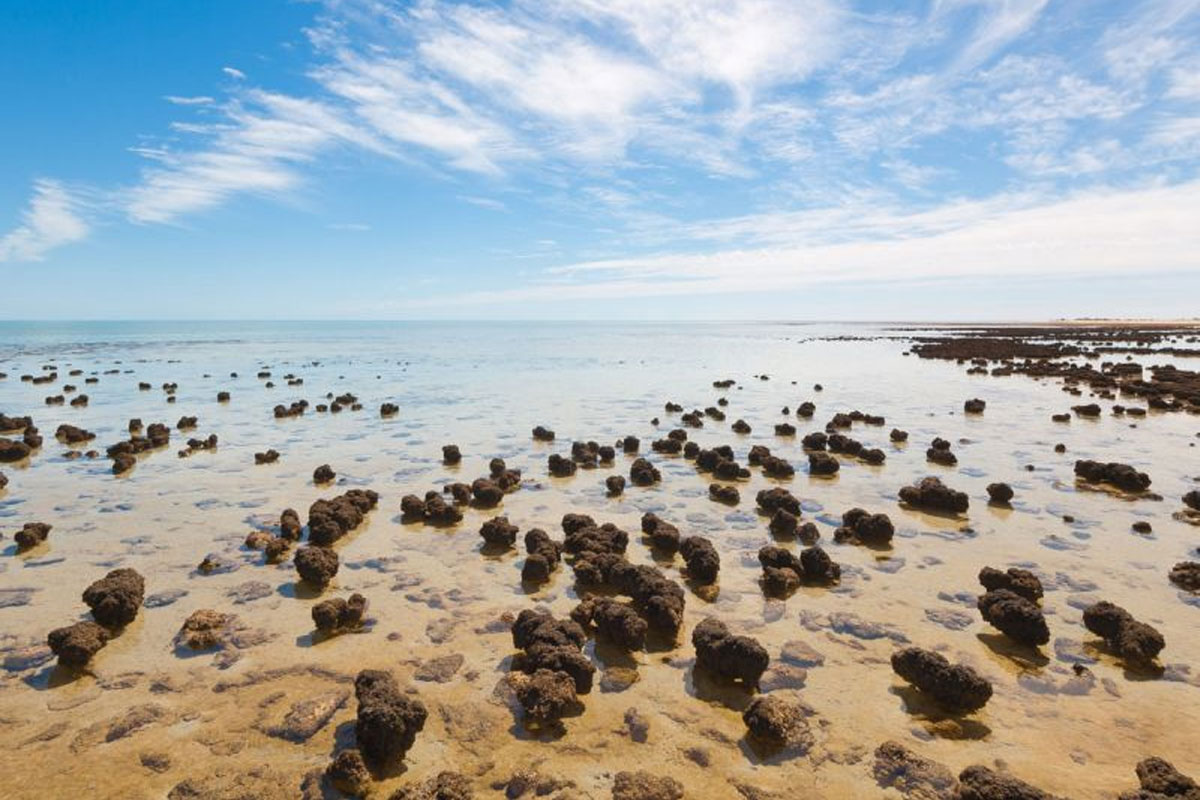
Trade tip: Don’t oversell the fishing as a dedicated charter-style experience – it’s casual and opportunistic. But do highlight the World Heritage marine credentials. Clients interested in marine biology, conservation, or eco-tourism will appreciate the significance of the Shark Bay ecosystem. For agents packaging broader Western Australian itineraries, Steep Point pairs naturally with Monkey Mia dolphins and Hamelin Pool stromatolites for a comprehensive Shark Bay programme.
WHAT’S INCLUDED