

PROGRAMME COMPONENTS
How Each Camp Comes Together
On Country Cultural Immersion
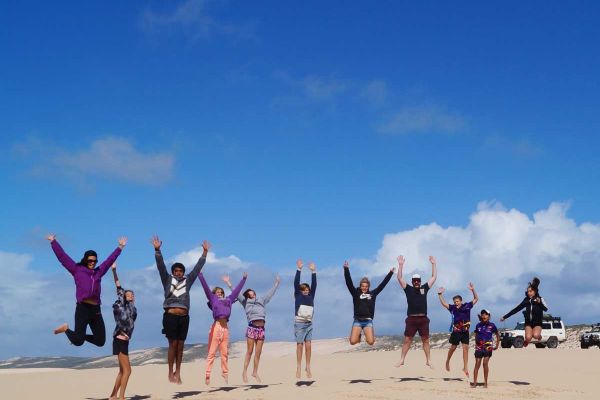
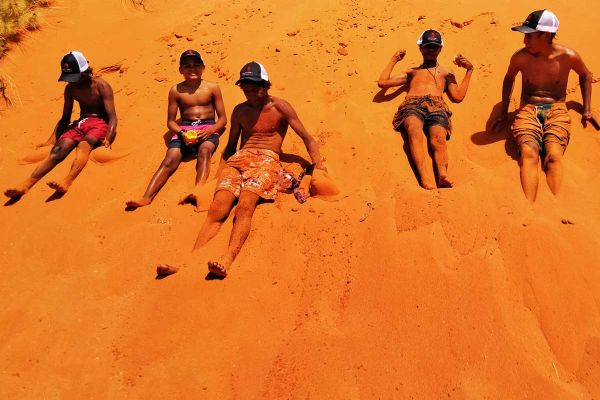
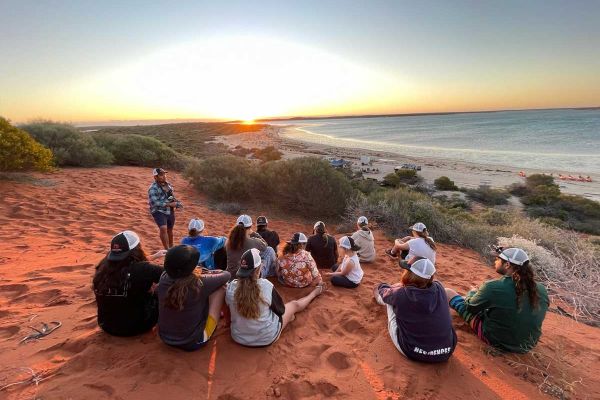
Every programme begins with a Welcome to Country and introduction to the local Aboriginal history and culture of the Shark Bay region. The custodians of Wula Gura Nyinda share knowledge that has been passed down through generations – stories of how the land was shaped, how it sustained people, and what it means to care for Country. This isn’t a lecture. It’s participatory. Participants learn by doing – walking the land, listening, asking questions.
The cultural awareness component can be shaped to suit your client’s objectives. For some groups it serves as an ice-breaker, a way of establishing common ground before moving into more physically demanding activities. For others – particularly government agencies or organisations with reconciliation action plans – it forms the backbone of the entire programme.
Trade tip: The cultural awareness element is increasingly sought after by corporate clients from international markets, particularly those looking for authentic Indigenous experiences. For travel agents packaging incentive programmes, this is a genuine differentiator from conventional team building offerings. It works especially well for groups from the UK, USA, and Asian markets who want to connect with Australia beyond the usual tourist trail.
Leadership & Team Challenges
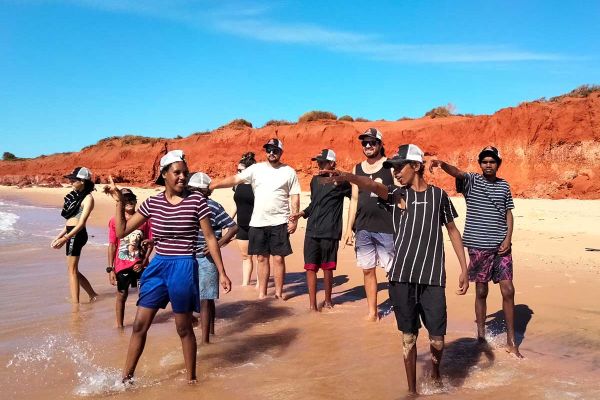
The team building and leadership activities draw on the wilderness setting rather than fighting against it. Groups work together on challenges that require communication, trust, and problem-solving – but the context is a pristine coastal environment, not an obstacle course bolted to a hotel lawn. The activities are designed to foster collaboration in ways that feel natural rather than forced.
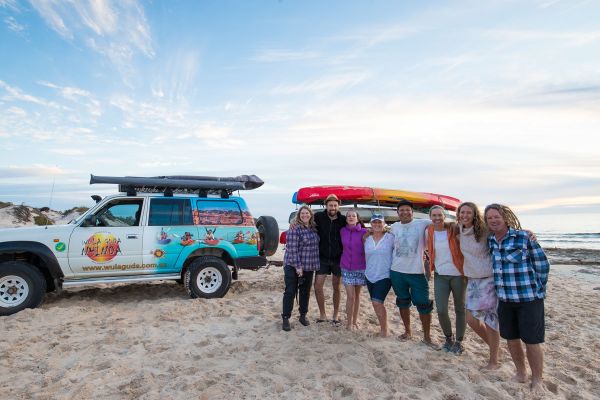
Wula Gura Nyinda works with government agencies, private organisations, non-profit bodies, and the tourism industry, so the team behind the programmes understands that different groups need different things. A leadership retreat for senior executives looks different from a team development day for a sales team. Each programme is tailored accordingly.
Trade tip: When discussing these programmes with your corporate clients, emphasise the tailored nature. Every camp is built around the group’s specific goals. This is not an off-the-shelf product. For MICE planners, that flexibility is valuable – it means the programme can align with the broader conference or incentive theme your client is running.
Kayaking, Snorkelling, Fishing & Hiking
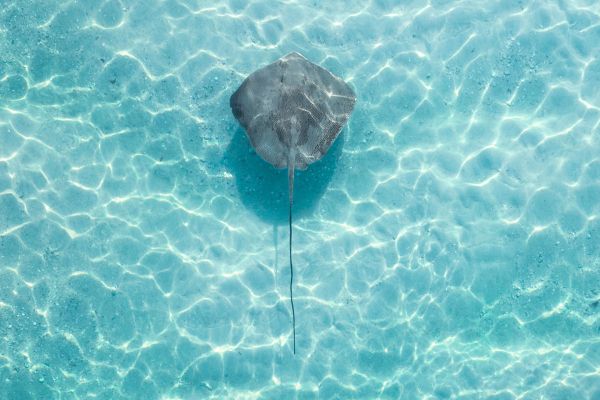
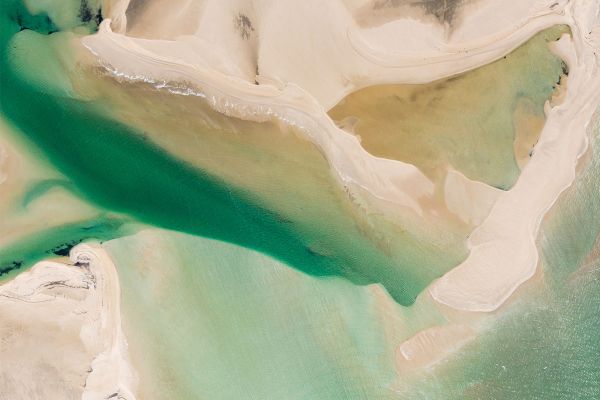
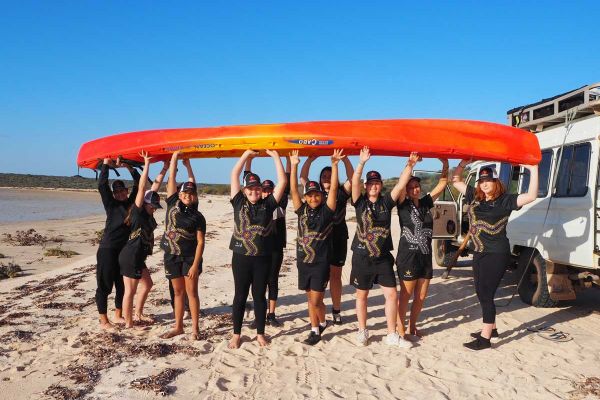
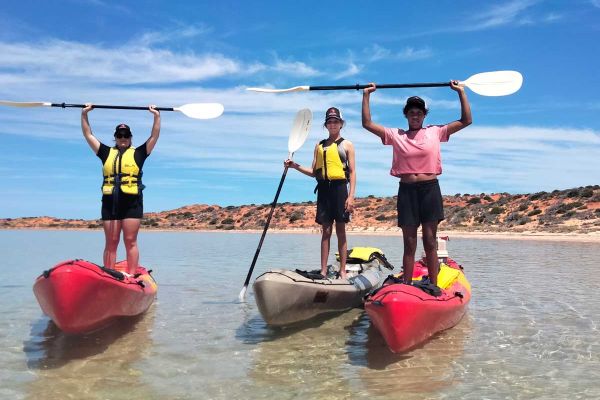
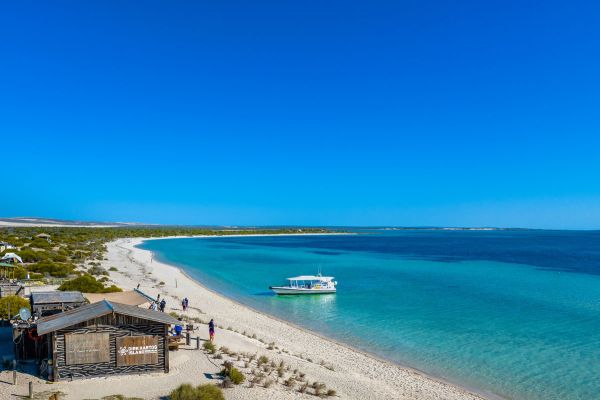
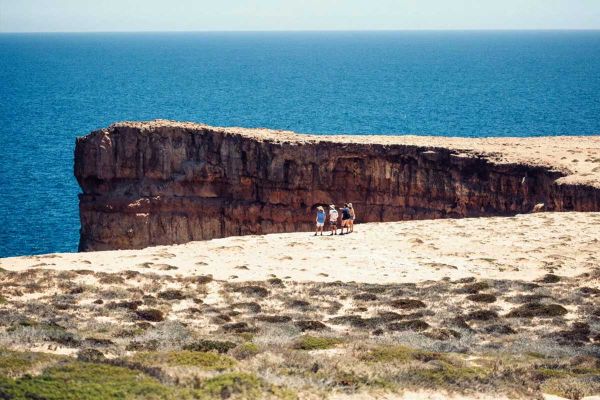
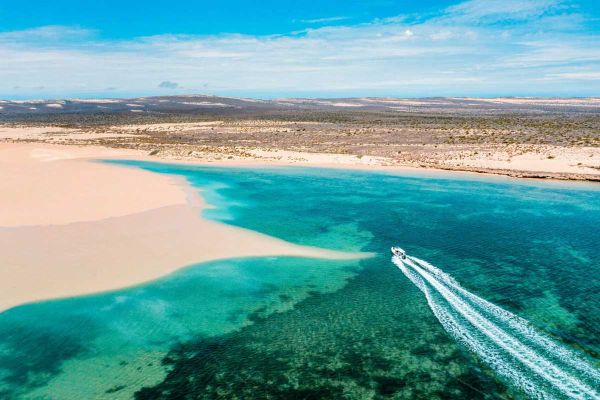
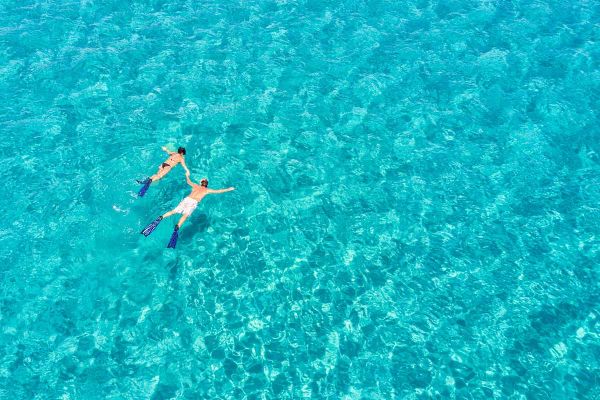
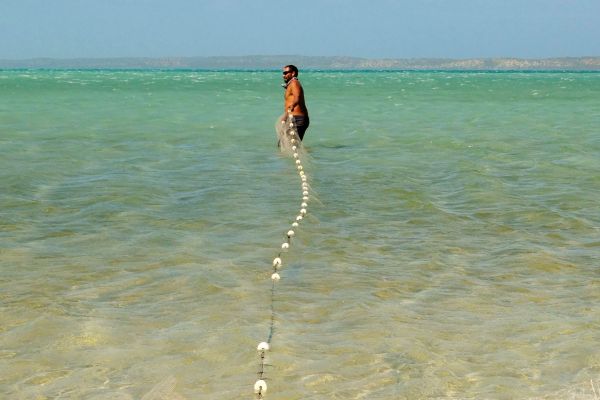
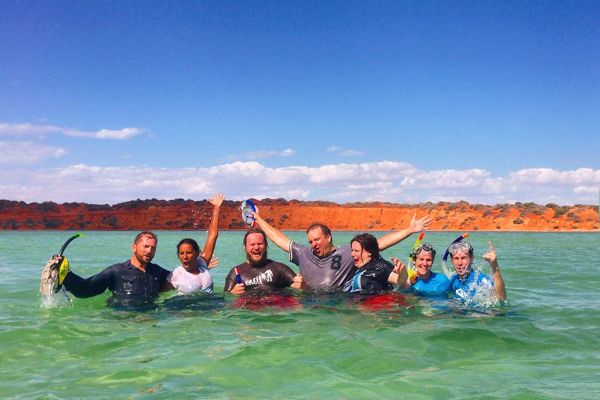
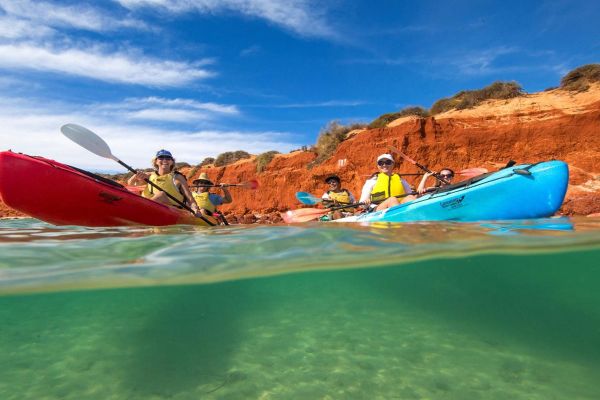
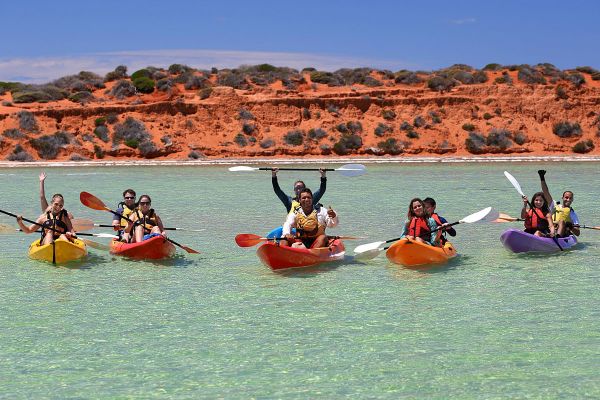
The adventure activities are where the energy shifts. Team kayaking through the calm, crystal-clear waters of Shark Bay is a highlight – the kind of shared physical experience that strips away office hierarchy and puts everyone on equal footing. Snorkelling reveals the marine life of the World Heritage Area up close. Fishing connects participants to the same waters and methods that local Aboriginal people have relied on for thousands of years.
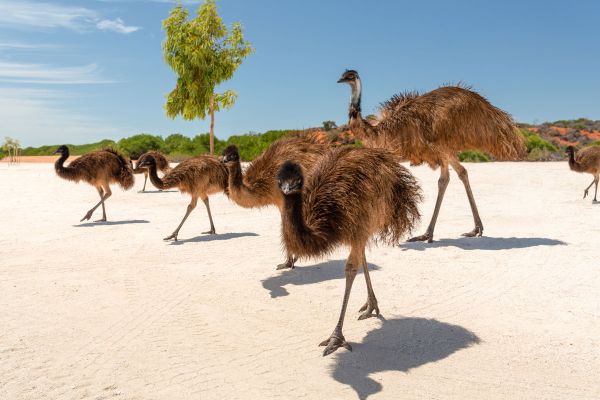
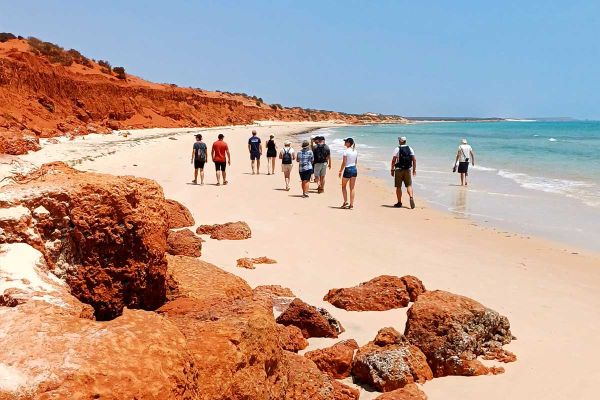
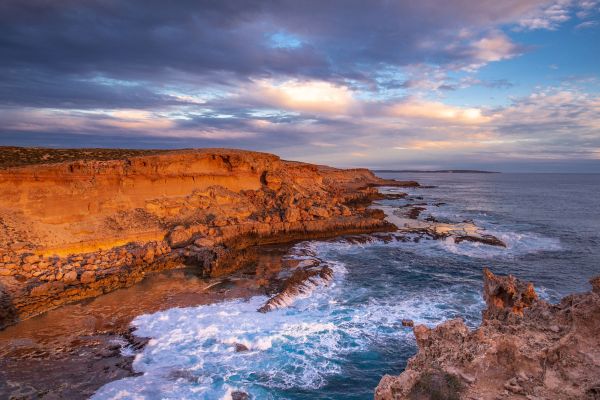
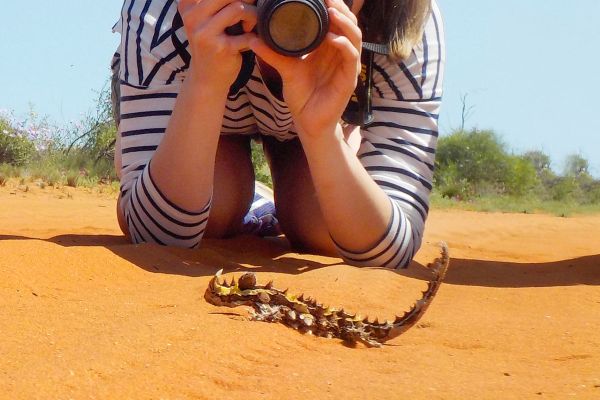
Hiking takes groups through coastal landscapes and inland bush, with guides identifying wildlife and explaining the ecology along the way. These aren’t extreme endurance activities. They’re accessible, enjoyable, and designed so the whole group can participate regardless of fitness level.
Trade tip: The kayaking photographs exceptionally well and is the activity most often featured in post-event communications by corporate clients. If your client needs visual content for internal newsletters or social media, this is the session to highlight. The calm, clear waters of Shark Bay deliver consistently photogenic conditions.
Bush Tucker, Bush Medicine & Survival Skills
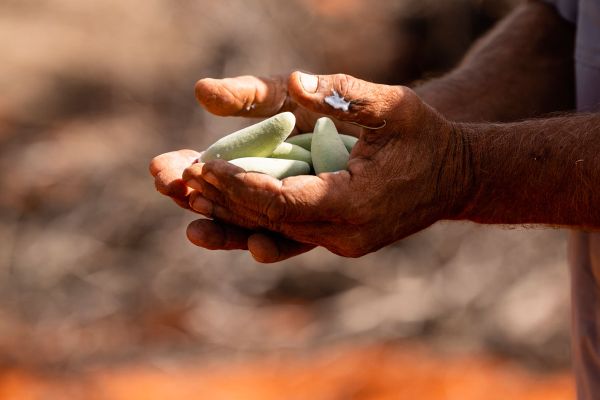
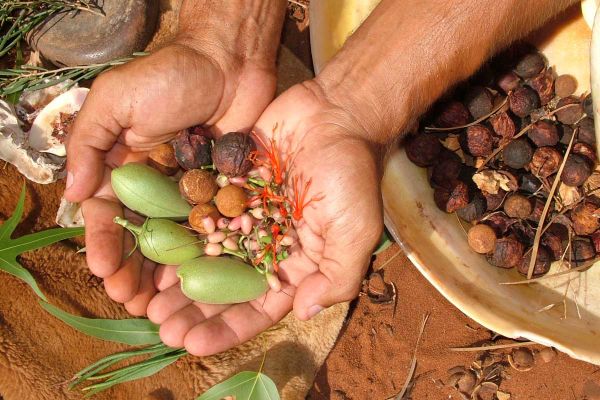
Guided by cultural custodians, participants learn to identify bush tucker plants and bush medicine species growing in the surrounding landscape. It’s a different way of seeing what most people would walk straight past – a shrub becomes a food source, a leaf becomes a remedy. The knowledge is ancient and practical in equal measure.
Bush survival skills extend the learning further. Fire-making, reading the landscape, understanding water sources, navigating by natural features. For corporate groups, these sessions often become unexpected catalysts for conversation about resourcefulness, adaptability, and paying attention to what’s right in front of you.
Trade tip: This component works well as a bridge between the cultural awareness sessions and the more physically active adventures. It gives participants time to absorb the environment without the adrenaline of kayaking or the formality of a Welcome to Country. For groups with mixed fitness levels, it’s inclusive and engaging for everyone.
Wildlife Conservation & Environmental Awareness
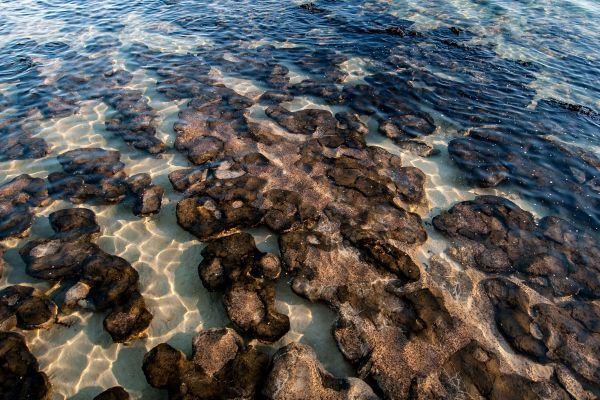
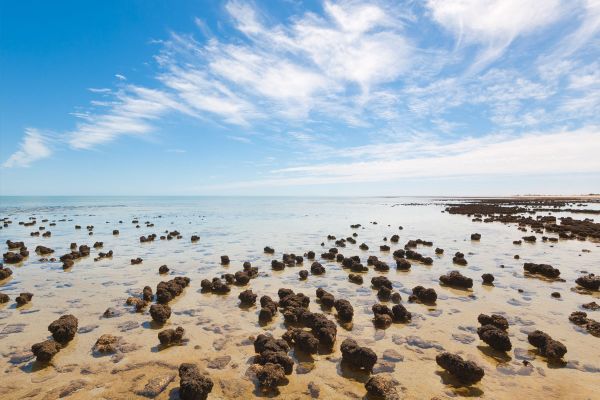
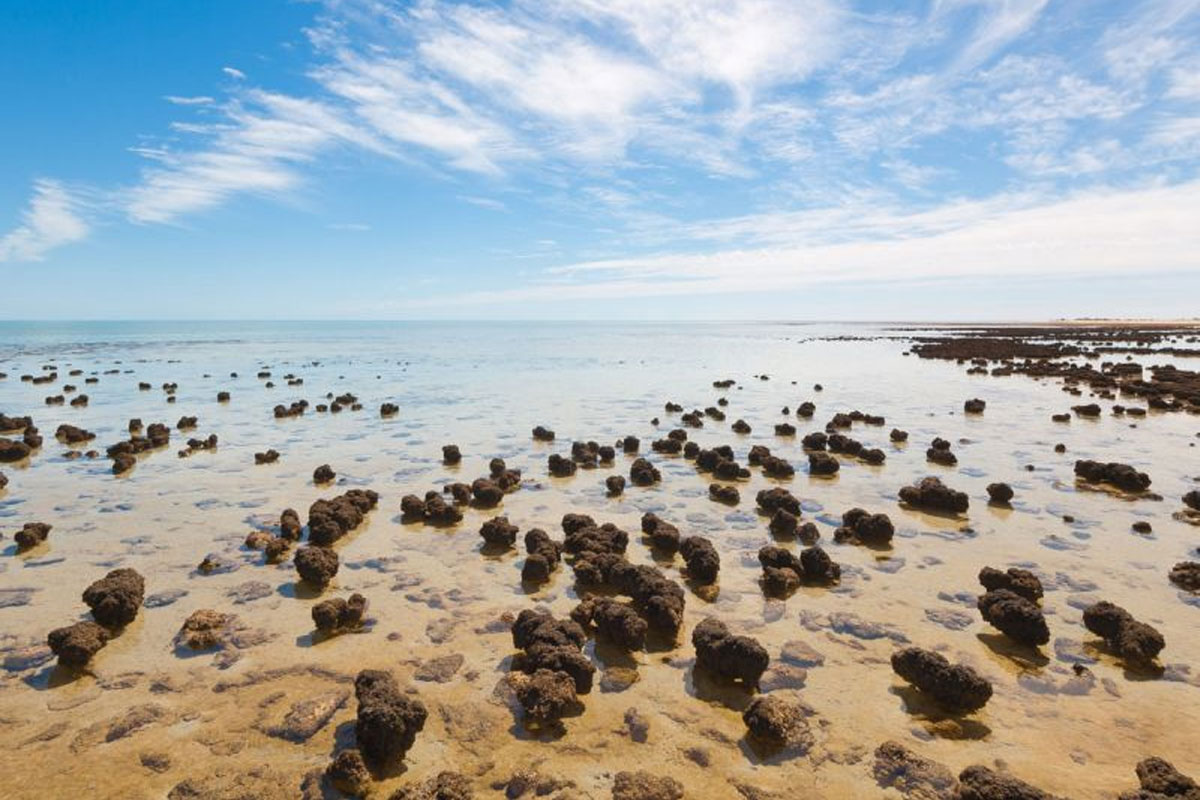
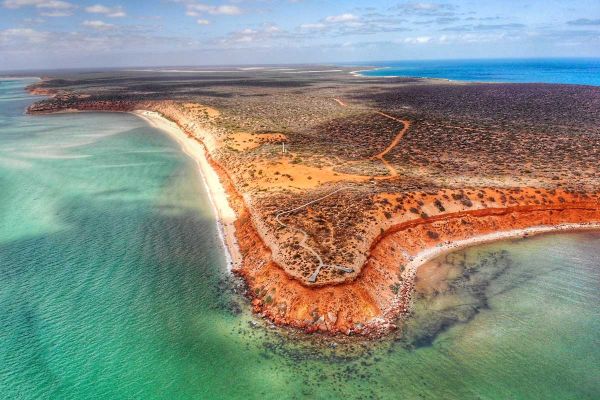
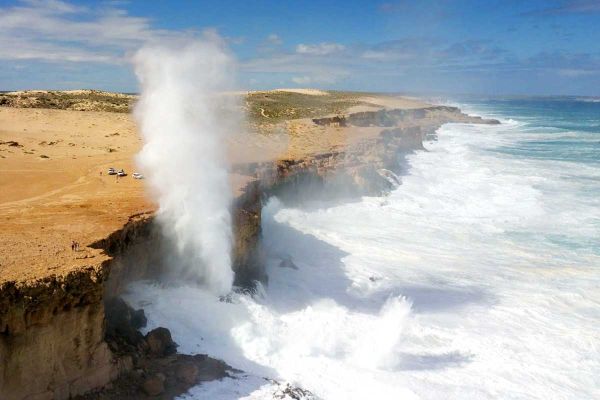
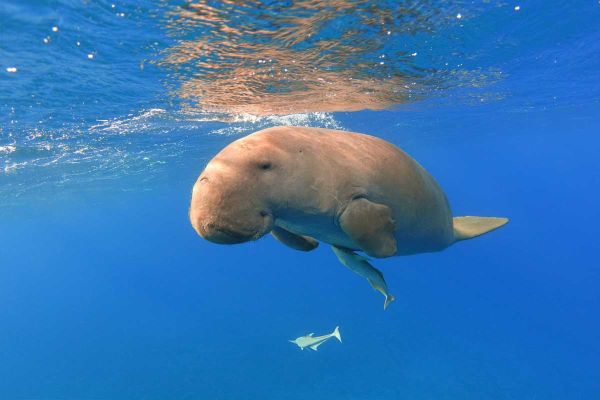
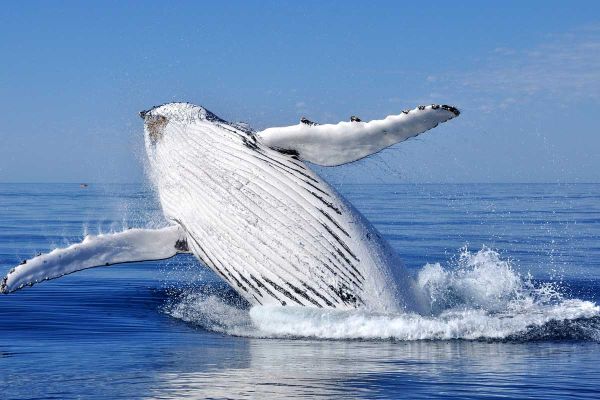
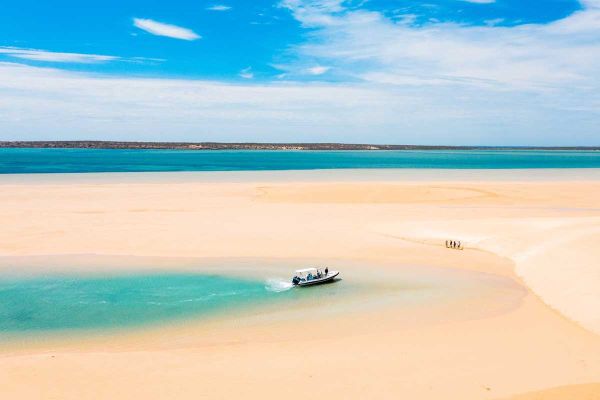
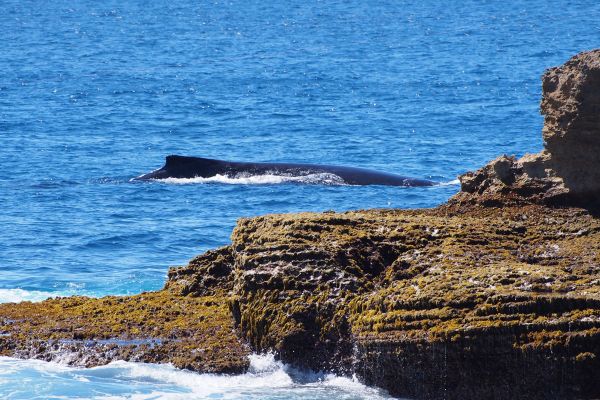
Shark Bay is a World Heritage Area for good reason. The marine and terrestrial ecosystems here are exceptional – from the famous stromatolites at Hamelin Pool (the oldest living organisms on Earth) to the dugongs, dolphins, and sea turtles in the bay. Wula Gura Nyinda integrates wildlife conservation into their programmes, giving participants a firsthand understanding of the ecological significance of the region.
For corporate groups with sustainability or ESG commitments, this component adds genuine substance. It’s not greenwashing. Participants engage with real conservation challenges and hear from people whose families have been managing this landscape sustainably for tens of thousands of years.
Trade tip: If your client’s organisation has sustainability reporting or corporate social responsibility goals, the wildlife conservation component can be positioned as a meaningful engagement activity rather than just a team outing. Some corporate clients have used their Wula Gura Nyinda experience in their annual sustainability reports.
Stories, Music & Sleeping Under the Stars
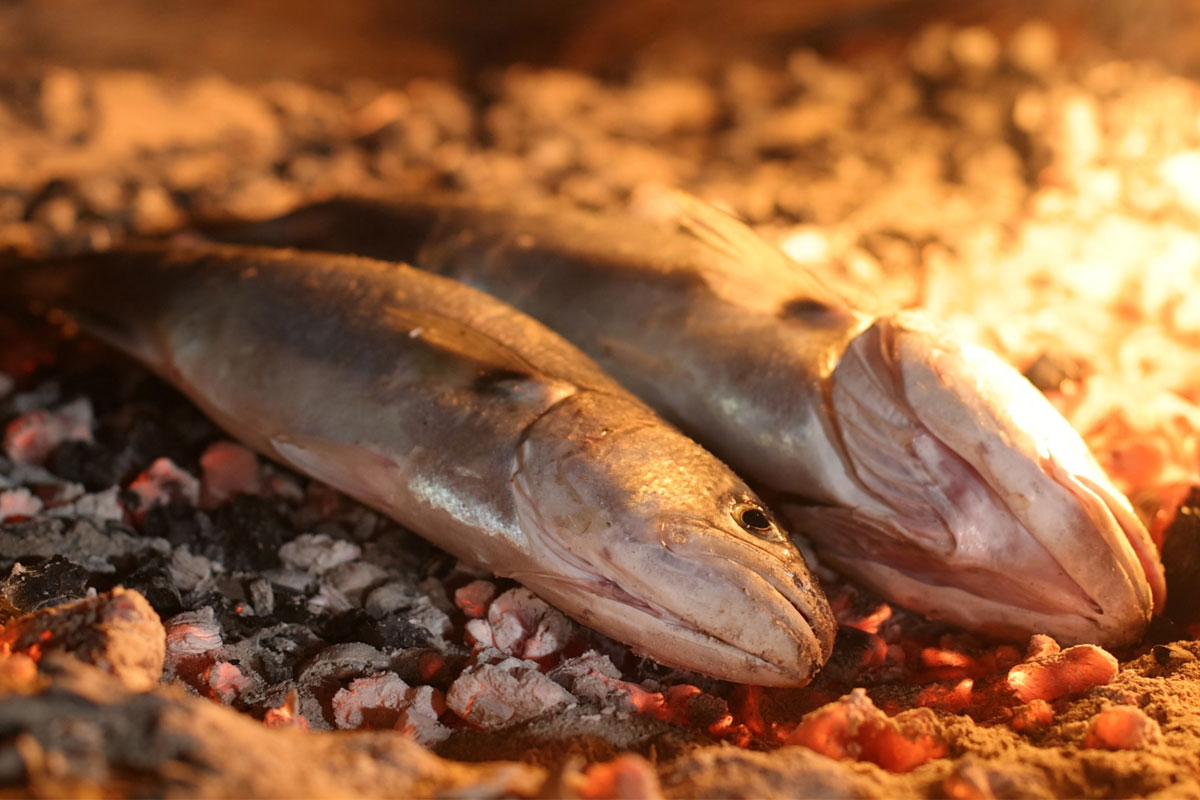
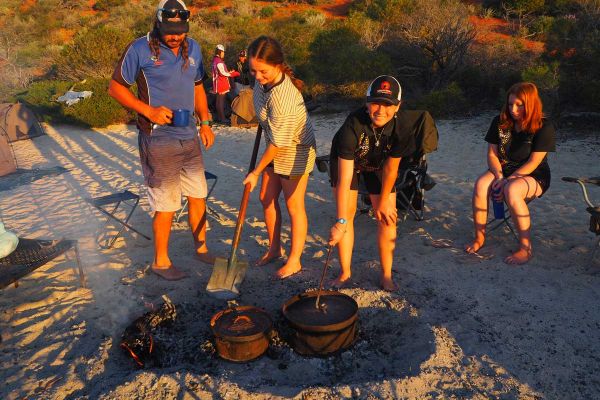
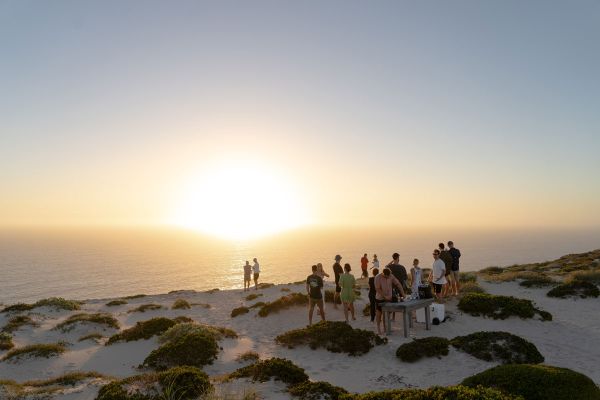
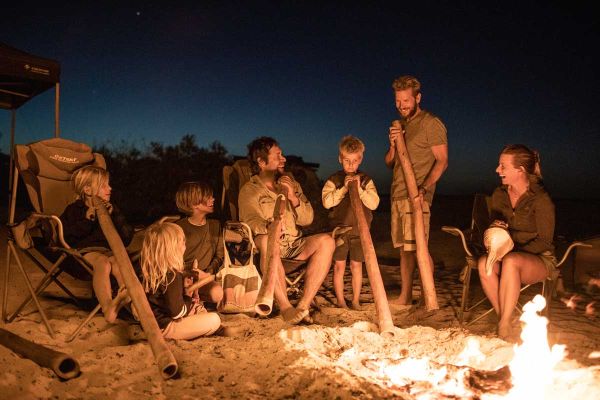
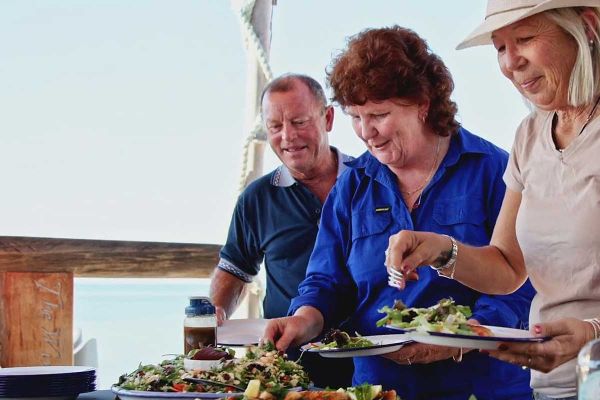
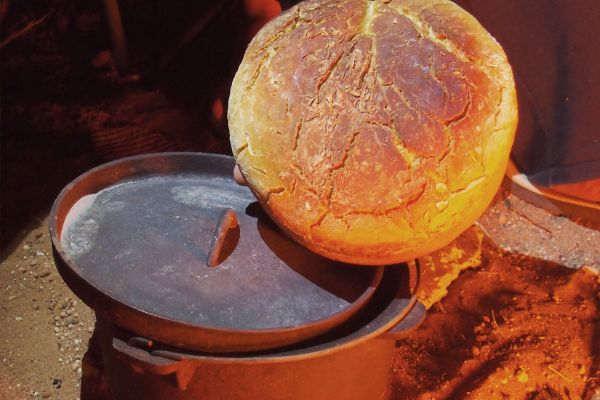
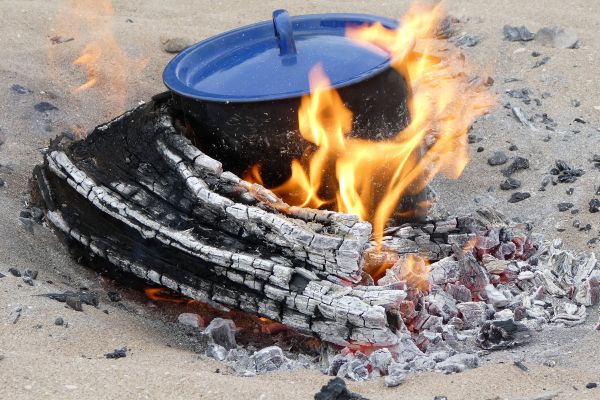
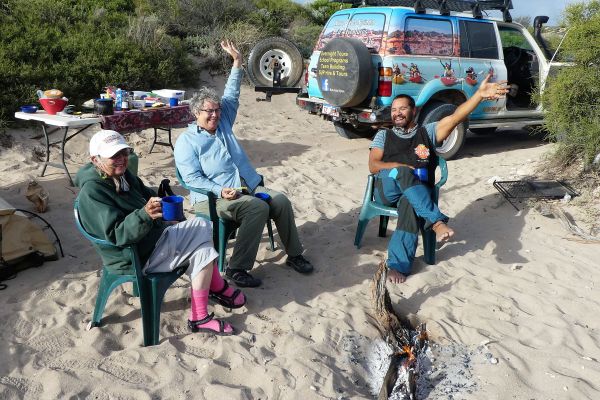
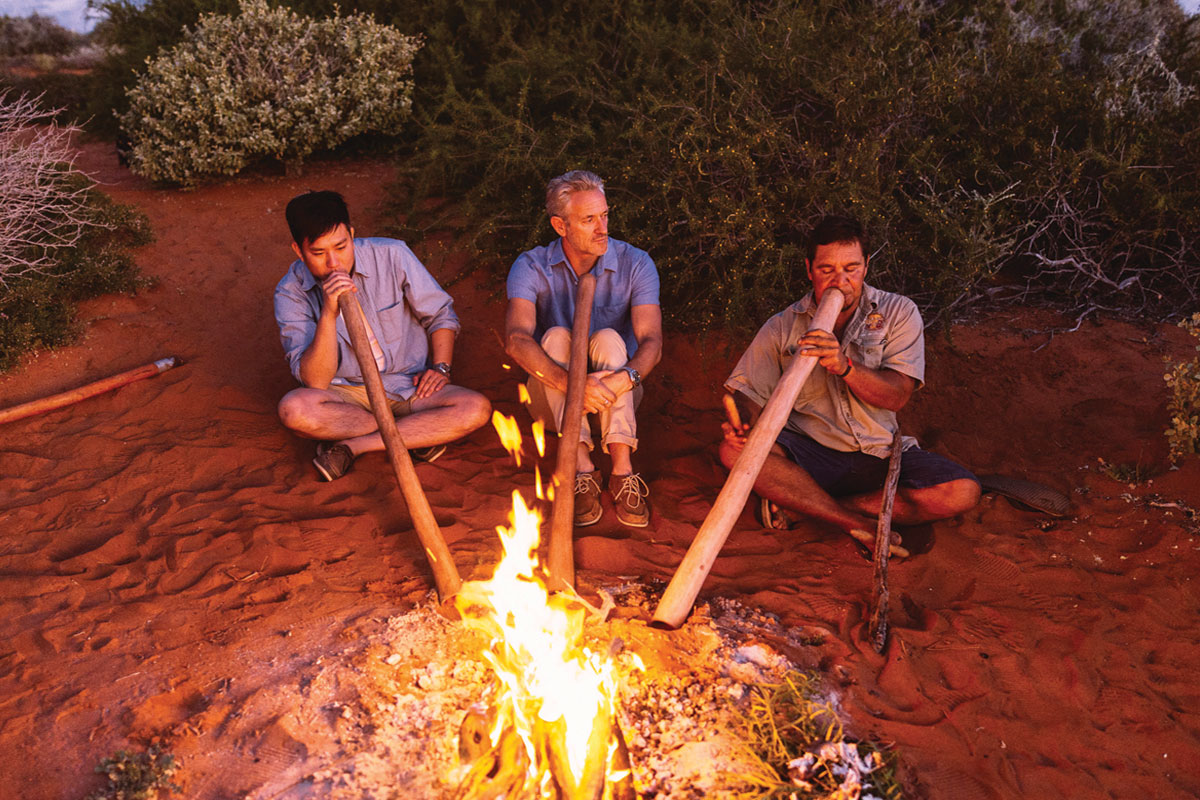
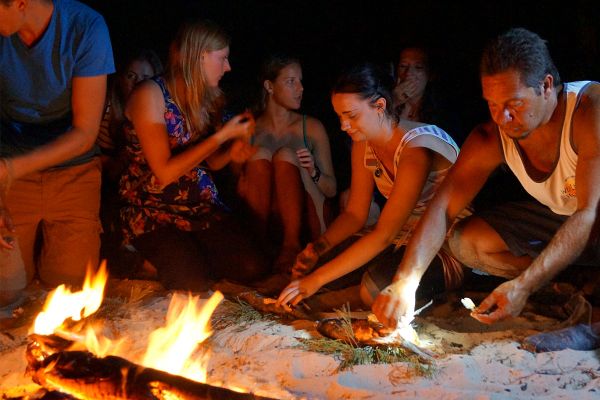
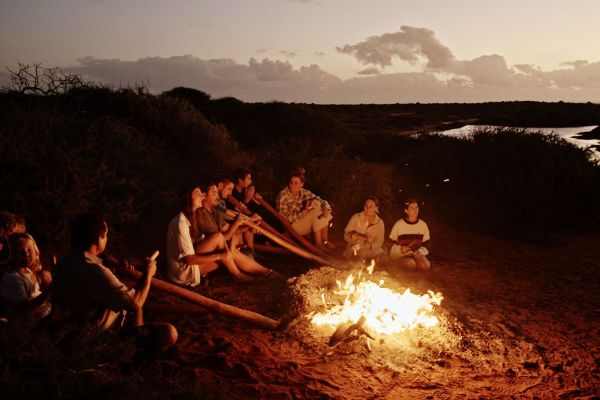
The campfire sessions are where it all comes together. After a day on the water or in the bush, the group gathers around a fire for food cooked on the coals, stories shared by the guides, and music that connects to the land. There’s something about sitting around a fire in a genuinely remote place that levels people out. Conversations happen that wouldn’t happen in an office.
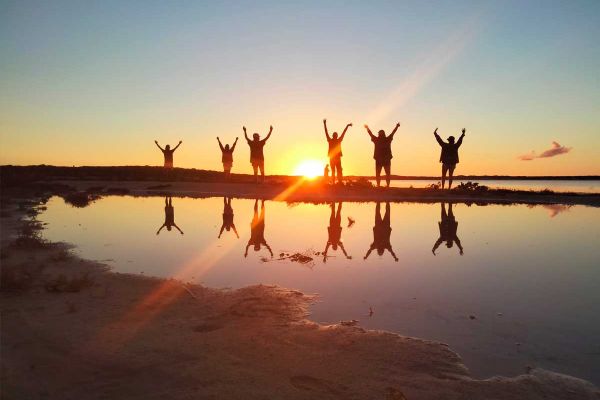
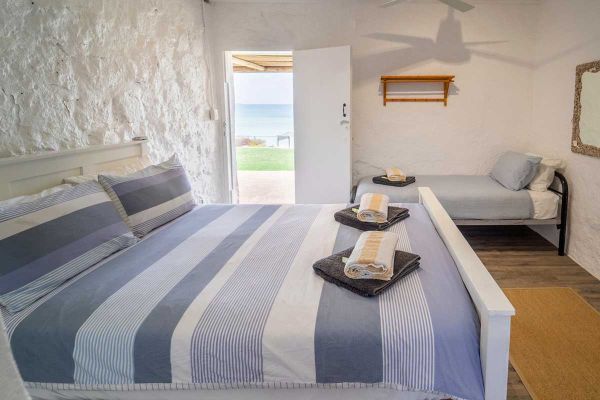
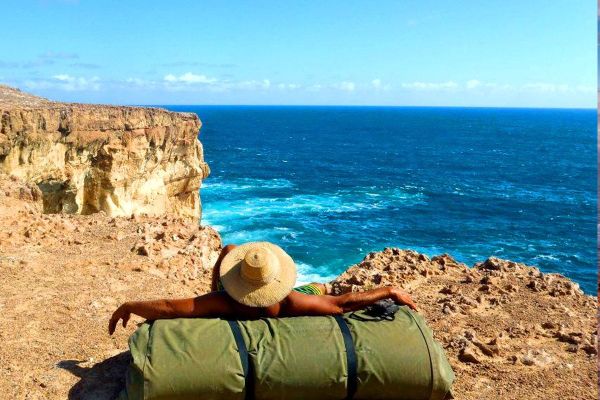
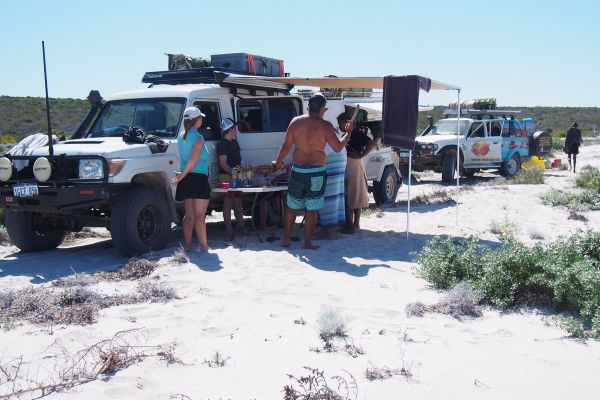
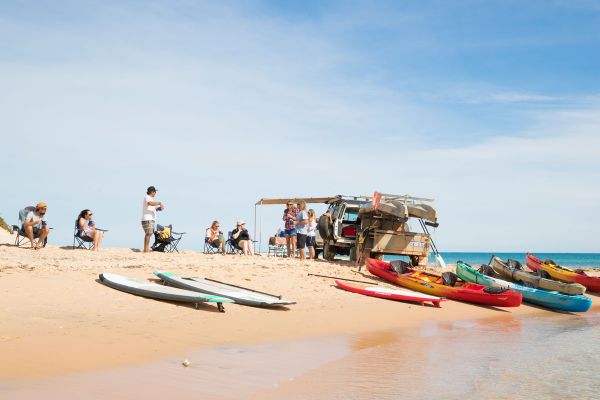
Wilderness camping is part of the experience. It’s comfortable – not luxury glamping, but well-organised bush camping in a spectacular setting. The nights are quiet. The stars are extraordinary. For many international visitors, it’s a first encounter with the Australian outback on terms that feel real rather than curated.
Trade tip: The campfire evening is consistently rated as the emotional high point of the programme. When briefing clients, it’s worth managing expectations – this is genuine wilderness camping, not a resort. But that’s exactly why it works. For incentive groups used to five-star hotels, the contrast is powerful and memorable. Pair with pre- or post-camp accommodation in Denham or Monkey Mia for clients who want a comfortable bookend.
WHAT’S INCLUDED